Picture this: it’s early 2026, and your electricity bill just jumped — again. Now multiply that feeling across a semiconductor fab the size of several football fields, running 24/7 at temperatures and precision levels that would make a Swiss watchmaker nervous. That’s the reality Samsung Electronics and SK Hynix are navigating right now, and it’s quietly becoming one of the most underappreciated pressure points on their stock valuations.
Let’s think through this together — because the relationship between energy prices and chip stock performance is way more nuanced than most headlines suggest.
Why Energy Costs Hit Semiconductor Companies Harder Than Almost Any Other Industry
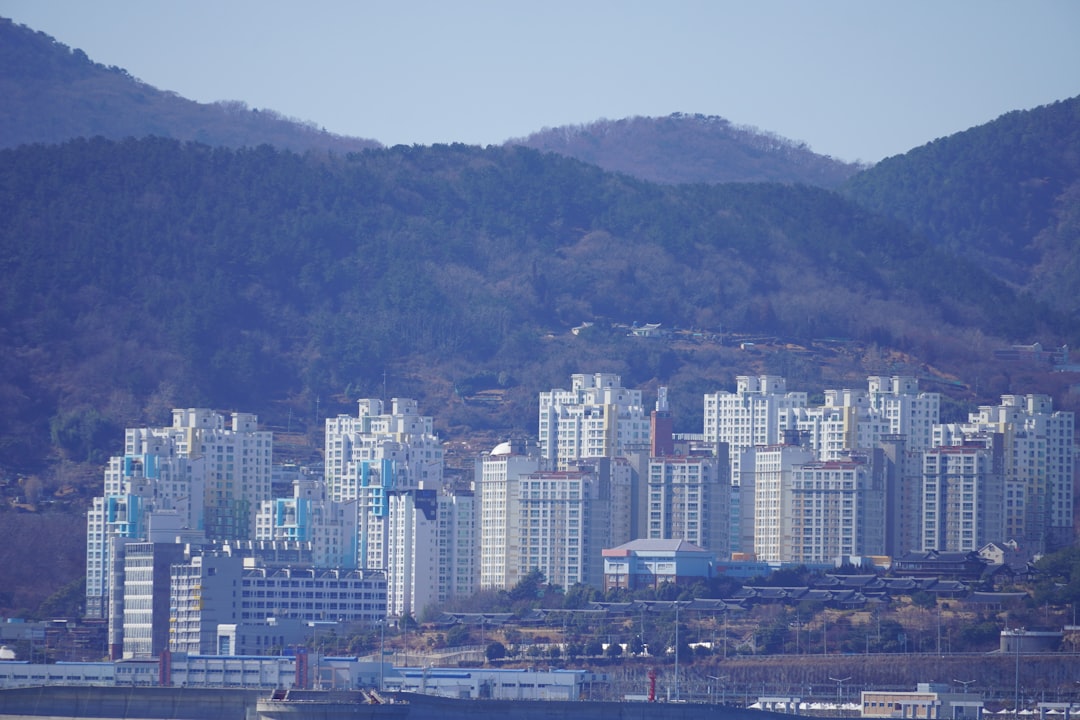
Semiconductor fabrication is brutally energy-intensive. A single modern 300mm wafer fab can consume anywhere from 100 to 200 megawatt-hours per day — comparable to powering a small city. For context, Samsung’s Pyeongtaek campus alone houses multiple fabs stacked across several floors, making it one of the largest power-consuming industrial complexes in Asia.
In 2026, South Korea’s industrial electricity tariffs have climbed steadily, partly driven by the country’s ongoing energy mix transition (reducing coal dependency while LNG import prices remain volatile), and partly by global energy market turbulence. Korea Electric Power Corporation (KEPCO) has implemented tiered industrial rate hikes that directly affect heavy manufacturers.
- Samsung Electronics reportedly spends upward of 2–3% of its semiconductor division’s total operating costs on electricity — a figure that sounds small until you realize we’re talking about a division generating tens of trillions of Korean won in revenue.
- SK Hynix, with its Icheon and Cheongju campuses, faces similar exposure, with energy costs becoming an increasingly visible line item in quarterly earnings calls.
- Both companies are also expanding aggressively — Samsung in Taylor, Texas, and SK Hynix in Indiana — where U.S. energy pricing presents its own unpredictability.
- HBM (High Bandwidth Memory) production, which both companies are racing to scale for AI chip demand, is particularly energy-intensive due to complex bonding and stacking processes.
- Rising carbon credit costs in the EU and potential border carbon adjustments add another indirect layer of cost pressure for chips exported to Europe.
How This Is Actually Showing Up in Stock Performance
Here’s where it gets interesting from an investor’s perspective. Energy cost increases don’t tank semiconductor stocks overnight — they erode margins gradually, and the market only tends to react when those margin compressions show up in earnings guidance or when analysts start revising EBITDA estimates downward.
In Q1 2026, both Samsung and SK Hynix have faced a peculiar double bind: AI-driven memory demand (especially for HBM3E and next-gen DRAM) is genuinely strong, which supports revenue outlooks — but operating leverage is being partially eaten by rising utility costs and the capex required to make fabs more energy-efficient. This creates a situation where top-line numbers look decent but operating margin improvements disappoint relative to expectations.
For retail investors watching the Korea Stock Exchange (KRX), this translates to compressed P/E expansion even when revenue beats, which is frustrating and often misread as weak demand — when the real culprit is the cost structure.
International Comparisons: How Are TSMC and Micron Handling This?
It’s worth zooming out. TSMC in Taiwan benefits from historically subsidized industrial electricity rates, though even Taipei has begun adjusting pricing upward. Crucially, TSMC’s energy efficiency per wafer has improved significantly due to years of investment in EUV process optimization — a reminder that technology investment is also an energy investment.
Micron, operating largely in the U.S. and Japan, faces a different calculus. Its Hiroshima fab benefits from Japan’s relatively stable industrial power environment (and significant government support under Japan’s semiconductor revival strategy), while its U.S. operations in Idaho and New York face variable state-level energy market conditions.
The takeaway? Korean chipmakers are currently at a slight structural disadvantage on energy costs compared to some peers, which is a legitimate medium-term concern for stock valuations — not a catastrophic one, but real enough to warrant attention.
Realistic Alternatives and Strategies Worth Watching
So what are Samsung and SK Hynix actually doing about this, and what should investors be looking for? Let me walk through some realistic paths forward:
- On-site renewable energy investment: Both companies have announced expanded solar and wind power procurement agreements. SK Hynix has been particularly vocal about its RE100 commitments. Progress here directly reduces exposure to KEPCO rate volatility.
- Process node efficiency gains: Moving to more advanced nodes (like Samsung’s 2nm GAA process) reduces energy per computation, which partially offsets the absolute cost of running more fabs.
- Geographic diversification of production: U.S. fabs built with CHIPS Act subsidies also come with negotiated energy infrastructure support in some states — a hidden hedge against Korean energy price risk.
- Energy storage systems (ESS): Deploying large-scale battery storage allows fabs to shift consumption to off-peak hours, meaningfully reducing peak-demand tariff exposure.
- Investor angle — watch the capex footnotes: When either company increases capex guidance related to “facility efficiency” or “sustainable infrastructure,” that’s often code for energy cost mitigation — and it’s actually bullish for long-term margin normalization.
The Bottom Line for Your Portfolio Thinking
Here’s my honest read: rising energy costs are a real headwind for Samsung and SK Hynix in 2026, but they’re unlikely to be a thesis-breaking factor on their own. The demand tailwind from AI memory (HBM especially) is strong enough to absorb a meaningful portion of the cost pressure. The risk scenario that actually matters is a combination of energy cost spikes plus a slowdown in AI infrastructure spending — that’s when margin compression becomes genuinely painful.
For long-term investors, the more productive question isn’t “will energy costs hurt the stock this quarter?” but rather “which company is building a more energy-resilient operation for the next five years?” On that metric, SK Hynix’s recent investments and transparency around energy strategy give it a slight edge in narrative, while Samsung’s sheer scale provides more negotiating leverage with energy providers.
Neither of these is a reason to panic-sell. Both are reasons to read the next earnings call transcript very carefully — specifically the parts most people skip.
Editor’s Comment : Energy costs are the kind of structural story that doesn’t make flashy headlines but quietly shapes long-term competitiveness. The investors who understand the fab floor — not just the chip cycle — tend to make better calls on Korean semiconductor stocks. Keep your eye on the kilowatt-hours, not just the gigabytes.
📚 관련된 다른 글도 읽어 보세요
- SMR vs. Large-Scale Nuclear Plants in 2026: Which One Actually Makes Sense for Our Energy Future?
- 노인 낙상 예방 운동 루틴 2026 | 집에서 할 수 있는 균형감각 강화 운동 5가지
- 노인 근감소증 원인과 운동 치료법 완벽 가이드 (2026년 최신)
태그: [‘Samsung Electronics stock 2026’, ‘SK Hynix energy costs’, ‘semiconductor energy consumption’, ‘Korean chip stocks analysis’, ‘rising electricity costs manufacturing’, ‘HBM memory margin pressure’, ‘KRX semiconductor investment 2026’]