Picture this: it’s early 2026, and your colleague slides up to you at the coffee machine and says, “Hey, did you hear Korea might finally get a Bitcoin ETF?” You nod along, not quite sure what to say — because honestly, the situation is complicated. If you’ve been following the global crypto-finance landscape, you’ll know that South Korea has been doing a very careful, very deliberate dance around the idea of a domestic Bitcoin ETF. Let’s think through this together — what’s actually happening, why it matters, and what realistic options you have right now.
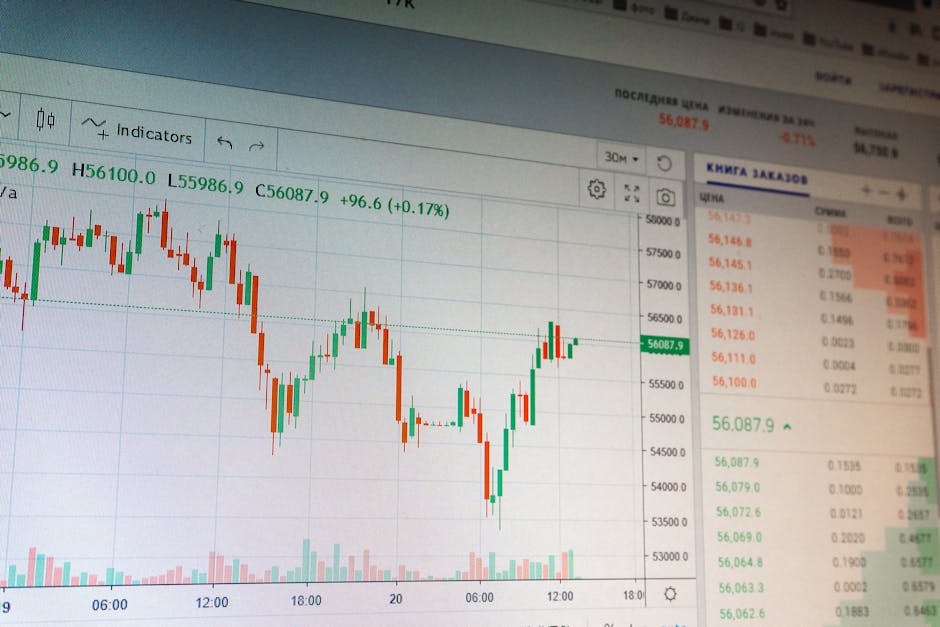
🔍 Where Does Korea Actually Stand on Bitcoin ETFs in 2026?
As of April 2026, South Korea does not yet have a domestically listed spot Bitcoin ETF available for retail investors on the KRX (Korea Exchange). The Financial Services Commission (FSC) and the Financial Supervisory Service (FSS) have maintained a cautious stance rooted in their interpretation of the Capital Markets Act, which historically categorized crypto assets as outside the scope of investable underlying assets for domestic ETF products.
However — and this is the part that’s actually exciting — the regulatory dialogue has shifted meaningfully in 2026. Following the landmark approval of spot Bitcoin ETFs in the United States in January 2024 and the subsequent wave of approvals across Hong Kong, the UK, and Australia, Korean regulators have faced increasing domestic pressure from both institutional investors and the general public. The FSC opened a formal public comment period in late 2025 and has signaled that a regulatory framework for crypto-asset-based financial products is “under active review.”
📊 Key Data Points You Should Know
- Global Bitcoin ETF AUM (Assets Under Management): Globally, spot Bitcoin ETFs crossed $120 billion in AUM by Q1 2026, largely driven by U.S.-listed products from BlackRock (IBIT) and Fidelity (FBTC).
- Korean retail crypto participation: According to the FSS’s 2025 annual report, over 7.8 million Koreans actively traded crypto on registered domestic exchanges — that’s roughly 15% of the adult population.
- Institutional demand: Korean pension funds and insurance companies have formally lobbied the FSC for access to regulated Bitcoin exposure, citing the need for portfolio diversification in a low-return environment.
- Overseas ETF access: While domestic options remain absent, Korean investors can technically access U.S.-listed Bitcoin ETFs through overseas brokerage accounts — though this comes with tax reporting complexity under Korea’s Foreign Financial Account Reporting (FBAR equivalent) rules.
- Legislative progress: The Virtual Asset User Protection Act (enacted 2024) set a foundation, and follow-up legislation in 2026 is attempting to classify Bitcoin as a “digital commodity” — a categorization that could unlock ETF eligibility.
🌏 How Does Korea Compare to Its Regional Peers?
Let’s zoom out for a second, because context is everything here. Hong Kong approved spot Bitcoin and Ethereum ETFs back in April 2024 and has seen moderate but steady institutional inflows. Japan remains conservative but is exploring a regulatory sandbox for crypto ETFs. Singapore allows accredited investors to access crypto-linked products but hasn’t opened the floodgates to retail either.
In this regional picture, Korea looks like a country that’s one regulatory decision away from a significant market event. The infrastructure is there — the exchanges, the investor base, the institutional appetite. What’s missing is the regulatory green light. Industry insiders and analysts from firms like Mirae Asset and KB Securities have publicly projected that a domestic Bitcoin ETF approval could realistically happen in the second half of 2026, though this is not guaranteed.

💡 So What Are Your Realistic Options Right Now?
Here’s where I want to be genuinely useful to you, not just deliver headlines. Depending on your investor profile, there are several paths forward:
- If you’re a long-term investor who wants regulated exposure: Consider opening an overseas brokerage account (e.g., through Kiwoom’s global service or direct U.S. brokers) to access IBIT or FBTC. Make sure you understand the tax implications — Korea taxes overseas financial income, and gains from crypto-related instruments need to be reported carefully.
- If you prefer to wait for a domestic product: That’s a valid choice. Keep an eye on FSC announcements, particularly around Q3 2026. Setting a news alert for “가상자산 ETF FSC” is a practical step.
- If you’re comfortable with direct crypto ownership: Korean registered exchanges like Upbit and Bithumb remain operational and compliant under the Virtual Asset User Protection Act. Direct Bitcoin ownership is legal, though it comes with the usual custody and volatility risks.
- If you’re an institutional or high-net-worth investor: Consult a licensed financial advisor about structured products or crypto-linked derivatives that may already be available through private banking channels.
- If you’re a complete beginner: Honestly? Waiting for a regulated domestic ETF might be your safest entry point. A Korean-listed ETF would come with KRX oversight, clear tax treatment (likely a 15.4% withholding tax similar to other ETFs), and the kind of consumer protections you’d expect from a mainstream financial product.
⚠️ What Are the Risks Even If an ETF Does Launch?
Let’s not get carried away with optimism. Even if a domestic Bitcoin ETF launches in Korea in 2026, there are real considerations to keep in mind. Bitcoin remains a highly volatile asset — its price swung over 40% within a single quarter in 2025. An ETF wrapper makes it easier to buy, but it doesn’t make the underlying asset less risky. Additionally, Korean ETF products historically carry management fees, and crypto ETFs globally have seen fees range from 0.20% to 0.75% annually. That’s worth factoring into your long-term return projections.
The bottom line? Korea’s Bitcoin ETF story in 2026 is one of imminent possibility, not current reality. The regulatory pieces are slowly falling into place, the investor demand is undeniable, and the global precedent is firmly established. But until that official approval comes through, savvy Korean investors are navigating this through a mix of overseas access, direct crypto holdings, and — most importantly — patience.
Editor’s Comment : The most interesting thing about Korea’s Bitcoin ETF journey isn’t just the financial product itself — it’s what it reveals about how a highly tech-savvy, crypto-enthusiastic nation is trying to reconcile innovation with regulatory caution. My honest take? The approval, when it comes, will move fast and attract massive inflows. So rather than waiting to react, now is the time to understand your options, get your brokerage accounts in order, and think clearly about how much Bitcoin exposure actually fits your overall portfolio. Don’t let FOMO drive the decision — let logic do.
📚 관련된 다른 글도 읽어 보세요
- SMR vs 대형원전 비교 장단점 총정리 (2026년 최신 기준)
- 노인 당뇨 식단 관리 실천 방법 – 2026년 최신 가이드로 혈당을 잡는 법
- 유가 급등이 삼성전자·SK하이닉스 주가에 미치는 영향 2026년 총정리
태그: [‘Bitcoin ETF Korea 2026’, ‘South Korea crypto regulation’, ‘KRX Bitcoin ETF’, ‘FSC virtual asset policy’, ‘Korea cryptocurrency investment’, ‘spot Bitcoin ETF Asia’, ‘crypto ETF alternatives 2026’]