A close friend of mine recently told me about visiting her 74-year-old father in the hospital after a sudden stroke — one that a timely MRI might have flagged months earlier. “He skipped his annual checkup because he felt fine,” she said, her voice cracking. That conversation stuck with me. It made me realize how many people in their 70s treat health screenings as optional, when in reality, they become more critical with every passing year, not less.
If you’re navigating the world of senior health checkups — whether for yourself, a parent, or a grandparent — this guide is for you. Let’s walk through the essential health screening items recommended for people aged 70 and above, backed by current medical guidelines and real-world evidence from 2026.

Why Health Screenings Become More Complex After 70
Once you cross the 70-year threshold, the human body enters what geriatric medicine refers to as the “multimorbidity phase” — a stage where multiple chronic conditions often coexist simultaneously. According to the World Health Organization’s 2026 Healthy Ageing Report, approximately 77% of adults over 70 live with two or more chronic diseases. This isn’t about fear — it’s about understanding the landscape so you can navigate it wisely.
The U.S. Preventive Services Task Force (USPSTF) and South Korea’s National Health Insurance Service (NHIS) both updated their senior screening protocols in late 2025 and early 2026, placing stronger emphasis on cognitive function, fall-risk assessment, and cardiovascular imaging for the 70+ age group. This means there are now more tools available than ever before to help older adults stay proactive.
Core Screening Items: The Non-Negotiables
Let’s start with the absolute essentials — the items that virtually every major health authority agrees people in their 70s should be checking regularly.
- Complete Blood Count (CBC): Detects anemia, infection, and blood disorders. Anemia in the elderly is frequently underdiagnosed but contributes significantly to fatigue, cognitive fog, and fall risk.
- Comprehensive Metabolic Panel (CMP): Checks kidney function (BUN, creatinine), liver enzymes, blood glucose, and electrolytes. Kidney filtration rates typically decline with age — monitoring is essential.
- Lipid Panel (Cholesterol & Triglycerides): Cardiovascular disease remains the #1 cause of death in the 70+ demographic globally. Even if cholesterol has been “fine” for years, it needs annual review.
- Blood Pressure Measurement: Hypertension affects over 70% of adults past 70. The 2026 American Heart Association guidelines recommend at-home monitoring in addition to clinical readings.
- HbA1c (Glycated Hemoglobin): A 3-month average of blood sugar levels. Type 2 diabetes management in the elderly requires adjusted targets — not as aggressively low as in younger patients.
- Thyroid Function Test (TSH, T4): Hypothyroidism mimics normal aging symptoms — fatigue, weight gain, slow cognition — making it easily missed without testing.
- Bone Density Scan (DEXA Scan): Osteoporosis-related fractures are a leading cause of disability and mortality in seniors. The NHIS now covers DEXA scans for women 70+ and men 75+ annually.
- Urinalysis: Screens for kidney disease, urinary tract infections (common and often symptom-free in elderly women), and early diabetes markers.
Cardiovascular & Cerebrovascular: Where the Stakes Are Highest
Heart attacks and strokes don’t always announce themselves loudly. In fact, “silent” myocardial infarctions account for roughly 45% of all heart attacks in adults over 65, according to a 2025 meta-analysis published in the Journal of the American College of Cardiology. Here’s what the 70+ age group specifically needs:
- Electrocardiogram (ECG/EKG): Detects arrhythmias, including atrial fibrillation (AFib), which dramatically increases stroke risk. A resting ECG takes under 10 minutes and should be done annually.
- Echocardiogram: Ultrasound of the heart to check valve function and pumping efficiency. Recommended every 2-3 years or annually for those with known heart conditions.
- Carotid Ultrasound: Screens for plaque buildup in the carotid arteries, a major predictor of stroke. Particularly important for those with hypertension or high cholesterol history.
- Brain MRI or CT Scan: Not universally recommended for all seniors annually, but strongly advised for those with memory complaints, headaches, or family history of cerebrovascular disease.
- Ankle-Brachial Index (ABI): A simple, non-invasive test for peripheral artery disease (PAD), which is significantly underdiagnosed in the 70+ group.
Cancer Screenings: Tailoring the Approach for Age 70+
Here’s where things get nuanced — and where many guidelines have actually shifted in 2026. Some screenings become less aggressive after a certain age, not because cancer matters less, but because treatment risks must be weighed against benefits.
- Colorectal Cancer (Colonoscopy or FIT Test): The USPSTF’s 2026 update recommends continuing colorectal screening up to age 75 routinely. Between 76-85, it becomes a personalized decision based on overall health and life expectancy. A fecal immunochemical test (FIT) is a less invasive annual alternative.
- Lung Cancer (Low-Dose CT Scan): Recommended annually for adults 50-80 with a 20 pack-year smoking history. For those over 80 in poor health, the risk-benefit calculation shifts.
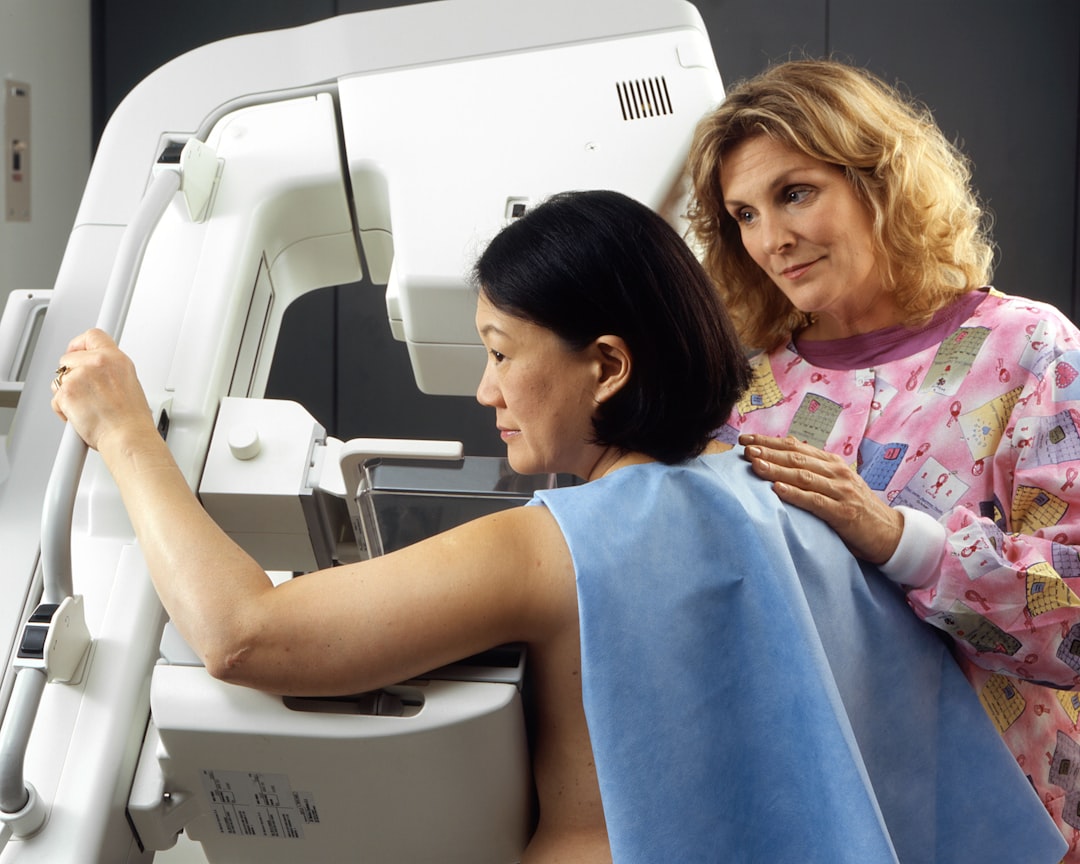
- Breast Cancer (Mammogram): Current 2026 guidelines from major health bodies recommend continued biennial mammograms for women up to age 74, with individualized decisions thereafter.
- Prostate Cancer (PSA Test): Highly individualized for men over 70. The PSA test can lead to overdiagnosis and overtreatment in older men. Best decided through shared decision-making with your physician.
- Cervical Cancer (Pap Smear): Most guidelines, including those from the Korean NHIS (updated January 2026), stop routine Pap smears at age 65 for women with consistently normal prior results.
- Gastric Cancer Endoscopy: South Korea’s NHIS covers upper endoscopy every 2 years for adults 40 and older due to the country’s high gastric cancer rates. This continues through age 74 routinely, with extensions based on risk factors.
Cognitive Function & Mental Health: The Often-Overlooked Frontier
This is the area that I find most people are emotionally reluctant to address — but it may be the most important category for quality of life after 70.
- MMSE / MoCA Test (Cognitive Screening): The Mini-Mental State Examination (MMSE) and Montreal Cognitive Assessment (MoCA) are brief, office-based tests that detect early dementia and mild cognitive impairment (MCI). The Korean Ministry of Health mandates free annual cognitive screening at community health centers for all citizens over 60.
- Depression Screening (GDS or PHQ-9): The Geriatric Depression Scale (GDS) is specifically calibrated for elderly patients. Depression in seniors is massively underdiagnosed — partially because it often presents as physical complaints rather than mood changes.
- Hearing Assessment: Age-related hearing loss (presbycusis) affects over 60% of adults past 70. Untreated hearing loss is now recognized as one of the top modifiable risk factors for dementia, according to the 2024 Lancet Commission update, still referenced heavily in 2026 protocols.
- Vision Screening: Including intraocular pressure (glaucoma check) and macular degeneration screening. Annual ophthalmology visits become essential after 70.
Fall Risk & Functional Assessments: Underrated but Life-Saving
Falls are the leading cause of injury-related death in adults over 65 worldwide. Yet “fall risk assessment” is rarely what people think of when they hear “health checkup.” In 2026, forward-thinking geriatric clinics incorporate the following:
- Timed Up and Go (TUG) Test: Measures mobility and balance. Takes 5 minutes. Predicts fall risk with remarkable accuracy.
- Muscle Strength Assessment (Grip Strength): Low grip strength is strongly correlated with sarcopenia (age-related muscle loss), hospitalization risk, and mortality.
- Medication Review (Polypharmacy Screen): Adults over 70 take an average of 5-7 medications. Certain drug combinations dramatically increase fall and cognitive decline risk. A formal medication reconciliation should happen at least annually.
- Nutritional Assessment (MNA or Blood Albumin/Prealbumin): Malnutrition in seniors is often invisible from the outside. Low albumin levels are a powerful predictor of poor surgical and recovery outcomes.
What Does It Actually Cost? Coverage and Access in 2026
One of the biggest barriers to senior health screenings is cost and confusion about what’s covered. Here’s a practical breakdown:
In South Korea, the NHIS “General Health Screening” (일반건강검진) covers most basic blood panels, chest X-ray, blood pressure, BMI, urinalysis, and cognitive screening every 2 years for all insured citizens — free of charge. The Lifestage Health Examination (생애전환기 건강진단) provides additional coverage at age 66 specifically, including depression screening, bone density, and eye/ear checks.
In the United States, Medicare Part B covers an Annual Wellness Visit (AWV) at no cost to the patient. This includes cognitive assessment, depression screening, fall risk review, and a personalized prevention plan. Additional screenings like mammograms, colonoscopies, and bone density scans have specific Medicare coverage rules — worth verifying at medicare.gov.
For those seeking more comprehensive “executive health” style packages, clinics like Asan Medical Center in Seoul, Mayo Clinic in the U.S., and Samsung Medical Center offer bundled senior health packages ranging from ₩500,000 to ₩3,000,000 KRW (approximately $350-$2,100 USD) that include many of the advanced items listed above in a single visit.
Building a Personal Screening Schedule: Practical Tips
Rather than trying to do everything at once, here’s how I’d suggest thinking about organizing screenings for a 70+ adult:
- Annual (Every Year): CBC, CMP, lipid panel, HbA1c, blood pressure, urinalysis, ECG, TSH, cognitive screening, depression screen, vision, hearing, medication review, flu vaccine status check.
- Biennial (Every 2 Years): Upper endoscopy (if applicable), mammogram (women), DEXA bone density scan, colonoscopy alternative (FIT test annually, full colonoscopy every 5-10 years depending on findings).
- As Clinically Indicated: Brain MRI, echocardiogram, carotid ultrasound, PSA (men, shared decision), low-dose CT lung (smokers/ex-smokers), ABI.
- One-Time or Situational: Full cardiac stress test, sleep study for sleep apnea (extremely common in seniors, frequently undiagnosed), skin cancer full-body check by dermatologist.
The key takeaway? Don’t wait to “feel sick.” The entire philosophy of preventive screening is catching what you can’t yet feel. A well-organized personal health record — whether in a paper binder or an app like Apple Health, Samsung Health, or Korea’s 건강보험공단 앱 (NHIS app) — makes tracking these timelines infinitely easier.
Editor’s Comment : I’ve seen too many families blindsided by conditions that were quietly developing for years. The beauty of a well-constructed health screening routine after 70 isn’t about anxiety — it’s about agency. You’re not waiting for your body to give you bad news; you’re proactively writing the story. If cost is a barrier, start with what’s government-covered, and add one or two additional tests per year based on your personal risk factors. Talk to your doctor not just as someone who writes prescriptions, but as a partner in designing your own preventive roadmap. The best health outcome after 70 isn’t luck — it’s a plan.
📚 관련된 다른 글도 읽어 보세요
- 원자재 ETF로 쪽박 차기 전 필독: 2026년 장단점 완전 분석 + 초보자 생존 가이드
- 월가가 숨기는 원자재 ETF의 진실: 장단점·리스크 관리 완전정복 2026
- Managing High Blood Pressure & Diabetes in Older Adults: A Practical 2026 Guide That Actually Works
태그: senior health screening, elderly checkup guide, health screening after 70, preventive medicine seniors, geriatric health tests, annual checkup elderly, 70s health management