My neighbor Mrs. Park — a sharp, energetic 74-year-old who still tends her garden every morning — called me last spring in a panic. Her doctor had just told her she needed to manage both hypertension and type 2 diabetes simultaneously, and she felt completely overwhelmed. “Which pill do I take first? Can I still eat rice? Will exercise make my blood sugar crash?” The questions came rapid-fire, and honestly, I didn’t have great answers on the spot. That conversation sent me deep into the research rabbit hole, and what I found was both reassuring and surprisingly nuanced. So let’s dig into this together — because chances are, you know someone (or are someone) navigating this exact challenge.
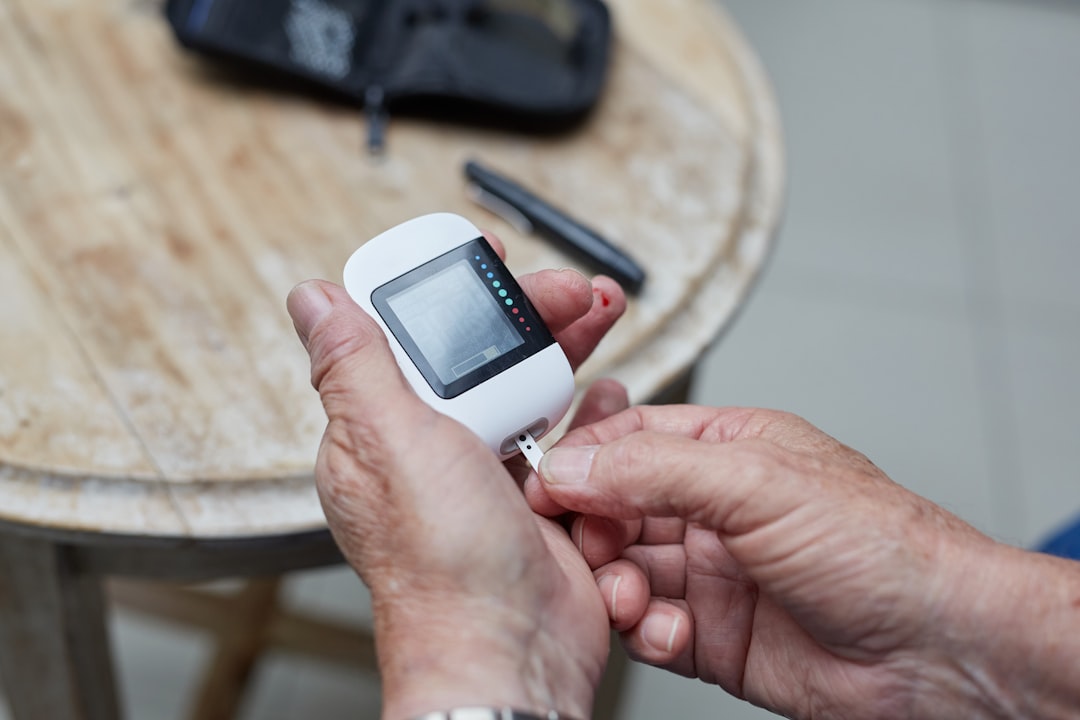
Why Managing Both Conditions at Once Is Uniquely Tricky for Older Adults
First, let’s establish why this combination — called cardiometabolic comorbidity — is so common in seniors. According to the World Health Organization (WHO), approximately 60–70% of adults over age 65 with type 2 diabetes also have hypertension. These two conditions feed off each other in a vicious cycle: high blood sugar damages blood vessel walls, which stiffens arteries, which elevates blood pressure. Meanwhile, chronic hypertension accelerates diabetic kidney disease (diabetic nephropathy), potentially leading to renal failure.
In South Korea, the 2026 National Health Statistics Report released by the Korea Disease Control and Prevention Agency (KDCA) estimates that roughly 1 in 3 Koreans over 65 is managing both hypertension and diabetes concurrently. That’s not a niche problem — it’s a mainstream public health reality.
The physiological complexity deepens when you factor in age-related changes:
- Reduced kidney clearance: Many standard diabetes medications (like metformin) require dose adjustment in seniors due to declining GFR (glomerular filtration rate).
- Orthostatic hypotension risk: Aggressive blood pressure lowering can cause dizziness and dangerous falls — a leading cause of hospitalization in adults over 70.
- Blunted hypoglycemia awareness: Older adults often don’t feel the classic “shaky” warning signs of low blood sugar, making overcorrection with insulin particularly hazardous.
- Polypharmacy interactions: The average Korean senior over 65 takes 5.4 prescription medications daily (HIRA, 2025 data). Drug-drug interactions are a serious, underreported risk.
- Cognitive factors: Mild cognitive impairment affects medication adherence — forgetting doses or accidentally doubling up.
Blood Pressure Targets: Not As Straightforward As You Think
For decades, the standard advice was “get your BP below 140/90 mmHg.” But for elderly patients, especially those over 75, the picture is more nuanced. The landmark SPRINT trial (Systolic Blood Pressure Intervention Trial) suggested that targeting below 120 mmHg systolic reduced cardiovascular events — but also increased acute kidney injury and syncope (fainting) episodes in older participants.
The 2026 European Society of Cardiology (ESC) Guidelines now recommend a target of 130–139 mmHg systolic for most adults over 65 with diabetes, with a careful floor of no lower than 120 mmHg. For very frail elderly patients (often classified as 80+), some guidelines accept up to 150 mmHg if aggressive treatment causes falls or dizziness.
The practical takeaway? Blood pressure management in seniors is not about hitting a number at all costs — it’s about finding the safe range for that individual’s overall frailty, kidney function, and daily activity level.
Blood Sugar Management: The HbA1c Sweet Spot for Seniors
For younger adults with diabetes, an HbA1c (3-month average blood glucose marker) below 7.0% is the gold standard. But for seniors, the calculus changes. The American Diabetes Association (ADA) 2026 Standards of Care recommends:
- Healthy older adults with few comorbidities: HbA1c target of <7.0–7.5%
- Complex/intermediate health: <8.0% — prioritizing hypoglycemia prevention over tight control
- Very frail or limited life expectancy: <8.5% — quality of life and avoiding hypoglycemic crises takes priority
This shift in targets reflects a key insight: in older adults, hypoglycemia is often more immediately dangerous than mild hyperglycemia. A blood sugar crash can trigger a fall, cardiac arrhythmia, or confusion episode with lasting consequences.
Medication Strategies Worth Knowing About
Let’s talk about the drug classes that are commonly used and why certain ones get special attention in the geriatric context:
- ACE inhibitors / ARBs (e.g., Losartan, Ramipril): First-line for hypertension in diabetic seniors because they simultaneously protect kidney function. Brands like Cozaar (Losartan) and Altace (Ramipril) are widely prescribed. Monitor potassium levels closely.
- SGLT2 inhibitors (e.g., Empagliflozin / Jardiance, Dapagliflozin / Farxiga): These diabetes medications have shown remarkable cardiovascular and renal protective benefits beyond glucose control. The EMPEROR-Reduced and DAPA-HF trials demonstrated significant heart failure reduction — highly relevant for elderly patients with comorbid cardiac risk.
- GLP-1 receptor agonists (e.g., Semaglutide / Ozempic, Dulaglutide / Trulicity): Weight-neutral or weight-lowering, with cardiovascular benefits. However, GI side effects like nausea can be problematic in older adults with appetite issues.
- Metformin: Still useful in many elderly patients, but dose must be reduced (or stopped) when eGFR falls below 30 mL/min/1.73m².
- Sulfonylureas (e.g., Glipizide): Use with extreme caution — high hypoglycemia risk. Shorter-acting versions preferred if used at all.
- Calcium channel blockers (e.g., Amlodipine): Effective antihypertensives with good tolerability in elderly, and no significant glucose metabolism effects.
One practical tip from geriatric pharmacists: whenever possible, choose medications that address both conditions simultaneously. SGLT2 inhibitors lower blood sugar and blood pressure. ARBs manage blood pressure and protect kidneys from diabetic damage. This double-duty approach reduces pill burden — a critical factor for adherence.
Lifestyle Management: The Fundamentals That Never Get Old
Yes, medications matter. But lifestyle interventions remain the most powerful non-pharmacological tools available. Here’s what the evidence supports specifically for older adults:
- Dietary sodium restriction: The DASH (Dietary Approaches to Stop Hypertension) diet recommends under 2,300 mg sodium/day, ideally closer to 1,500 mg for hypertensive seniors. Traditional Korean diets often exceed 4,000 mg/day — kimchi, soy sauce, and fermented pastes are delicious but sodium-dense. Low-sodium kimchi (저염 김치) and reduced-sodium soy sauce options are increasingly available at major Korean supermarkets including Emart and Lotte Mart.
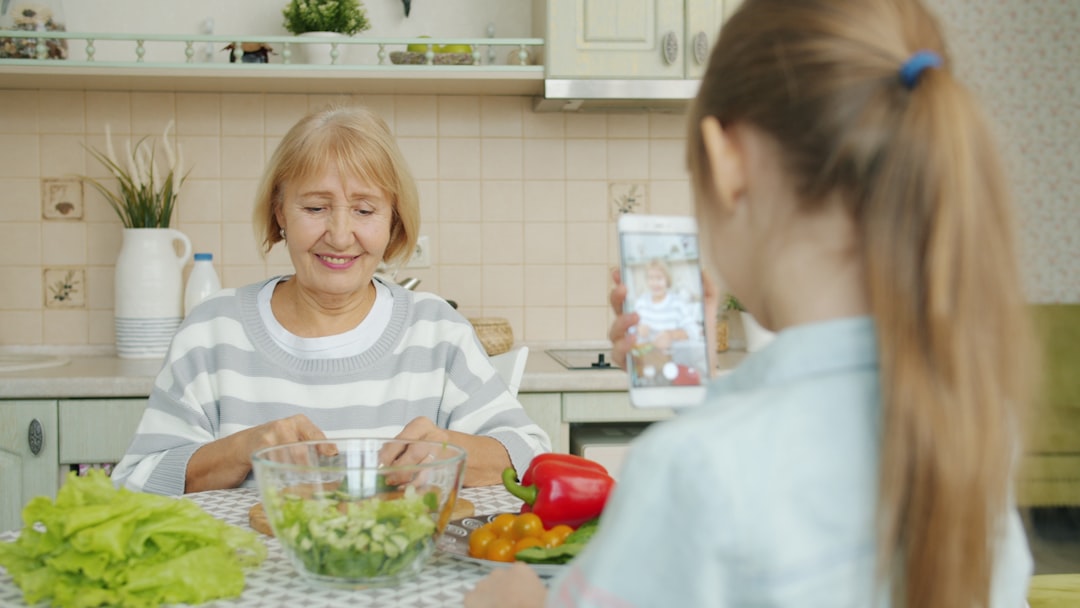
- Carbohydrate management: For diabetic seniors, it’s less about eliminating carbs and more about quality and timing. Choosing mixed grain rice (잡곡밥) over white rice, prioritizing vegetables before grains at meals (the “vegetable-first” eating method), and avoiding large carb loads in the evening helps flatten blood glucose spikes.
- Exercise — tailored and consistent: The WHO recommends 150 minutes of moderate aerobic activity weekly for seniors, plus resistance training twice weekly. For those with balance concerns, water aerobics and chair yoga are excellent alternatives. Even 10-minute post-meal walks (3x daily) have been shown to reduce postprandial blood glucose spikes by 20–30% in multiple studies.
- Home monitoring: A validated automatic blood pressure cuff (look for devices with the Validate BP certification) and a reliable glucometer are essential home tools. Popular models in Korea include Omron HEM series and Accu-Chek Guide for glucose. Logging readings in a simple notebook or app like Noom or Samsung Health helps doctors make better treatment decisions.
- Sleep and stress management: Chronic poor sleep raises cortisol, which elevates both blood pressure and blood sugar. A 2025 meta-analysis in The Lancet Diabetes & Endocrinology found that adults over 65 who averaged less than 6 hours of sleep had 23% higher HbA1c levels than age-matched peers with adequate sleep.
Red Flags That Demand Immediate Medical Attention
Understanding when lifestyle adjustments aren’t enough — and when to call a doctor immediately — is just as important as daily management. Watch for:
- Blood pressure reading above 180/120 mmHg (hypertensive crisis)
- Blood glucose below 70 mg/dL with symptoms (shakiness, confusion, sweating) — treat immediately with fast-acting glucose (15g carbohydrates), then recheck in 15 minutes
- Sudden vision changes, severe headache, or chest tightness — may indicate stroke or cardiac event
- Swelling in ankles/feet combined with shortness of breath — possible heart failure or kidney complications
- Any fall or near-fall after starting or adjusting antihypertensive medication
Building a Care Team That Actually Communicates
One of the most underrated strategies for elderly patients managing multiple conditions is intentional care coordination. Ideally, this means having:
- A primary care physician or internist who oversees the overall treatment plan
- An endocrinologist for complex diabetes management
- A cardiologist or nephrologist if cardiovascular or kidney complications exist
- A pharmacist who reviews the full medication list for interactions at least annually
- A dietitian familiar with geriatric nutrition (Korea’s Community Health Centers / 보건소 often provide free dietitian consultations for registered patients)
The Korean Geriatrics Society (대한노인병학회) and the Korean Diabetes Association (대한당뇨병학회) both publish updated management guidelines annually — both organizations have English-language summaries accessible via their official websites, useful if you’re comparing Korean protocol to international standards.
Realistic Expectations and Quality of Life
Here’s something that often gets lost in clinical discussions: perfect numbers aren’t the goal — a good, active, meaningful life is. Mrs. Park (from my opening story) found a practical rhythm: low-sodium cooking classes at her local 보건소, a morning walking group with friends that doubles as social connection, a weekly check-in with her daughter who reviews her blood pressure log, and a medication organizer that eliminated the “did I take it?” confusion. Her HbA1c came down from 8.4% to 7.6% in six months, and her average BP settled around 135/82 mmHg. Not textbook perfect — but stable, sustainable, and accompanied by genuine wellbeing.
The alternative to aggressive medical management isn’t giving up — it’s intelligent, patient-centered prioritization. Discuss with your doctor which metric matters most right now given your specific risk profile, and work on that one thing at a time.
Editor’s Comment : Managing hypertension and diabetes simultaneously in older adults is genuinely complex, and there’s no one-size-fits-all protocol — which is actually somewhat freeing once you accept it. The most effective approach I’ve seen combines pharmaceutical precision (choosing drugs that do double duty), lifestyle consistency (especially post-meal walks and sodium reduction), and strong human support systems. If you’re a caregiver or family member reading this, your role in monitoring, encouragement, and care coordination is genuinely as important as any medication. Don’t underestimate it. And if you’re the senior managing this yourself — the fact that you’re researching this topic tells me you’ve already got the most important ingredient: the determination to stay well.
📚 관련된 다른 글도 읽어 보세요
- 전기요금 폭탄 이제 그만! 우리 집 전기요금을 미리 계산해보세요
- 2026 유가 전망과 반도체 투자 추천 — 지금 어디에 베팅해야 할까?
- 월가가 숨기는 원자재 ETF의 진실: 장단점·리스크 관리 완전정복 2026
태그: elderly hypertension management, diabetes in older adults, high blood pressure diabetes senior care, geriatric cardiometabolic health, SGLT2 inhibitors elderly, senior blood pressure targets 2026, Korean elderly health management