Let me take you back to a dinner conversation I had with a friend last month. She’s a teacher, diligently saving every month, watching her purchasing power quietly erode while her grocery bill told a completely different story. “My savings account says I’m doing fine,” she said, “but everything costs more.” Sound familiar? That’s the quiet cruelty of inflation — and it’s exactly why commodity ETFs as an inflation hedge have become one of the most talked-about investment strategies heading deeper into 2026.
So let’s think through this together. What are commodity ETFs, why do they matter right now, and — most importantly — are they actually the right move for you?
Why Inflation and Commodities Are Naturally Linked
Here’s the core logic, and it’s elegantly simple: when inflation rises, the prices of real, physical things tend to rise with it. Oil, gold, wheat, copper, natural gas — these are the raw materials behind everything we consume. When the dollar buys less, the nominal price of these goods climbs. So owning a piece of them — through an ETF — means your investment value rises alongside inflation rather than being eaten by it.
In 2026, the U.S. CPI has stabilized around 3.1–3.4% annually, down from the post-pandemic peaks but still meaningfully above the Fed’s 2% target. Meanwhile, geopolitical supply disruptions (particularly in energy and agricultural markets) continue to create commodity price volatility. This is the environment where commodity ETFs shine — or at least, where they’re worth seriously considering.
Breaking Down the Key Commodity ETF Categories
Not all commodity ETFs are built the same. Let’s break down the main buckets:
- Broad Commodity ETFs — These track diversified indexes like the Bloomberg Commodity Index (BCOM) or S&P GSCI. Examples include iShares GSCI Commodity Dynamic Roll ETF (COMT) and Invesco DB Commodity Index Tracking Fund (DBC). They spread your exposure across energy, metals, and agriculture.
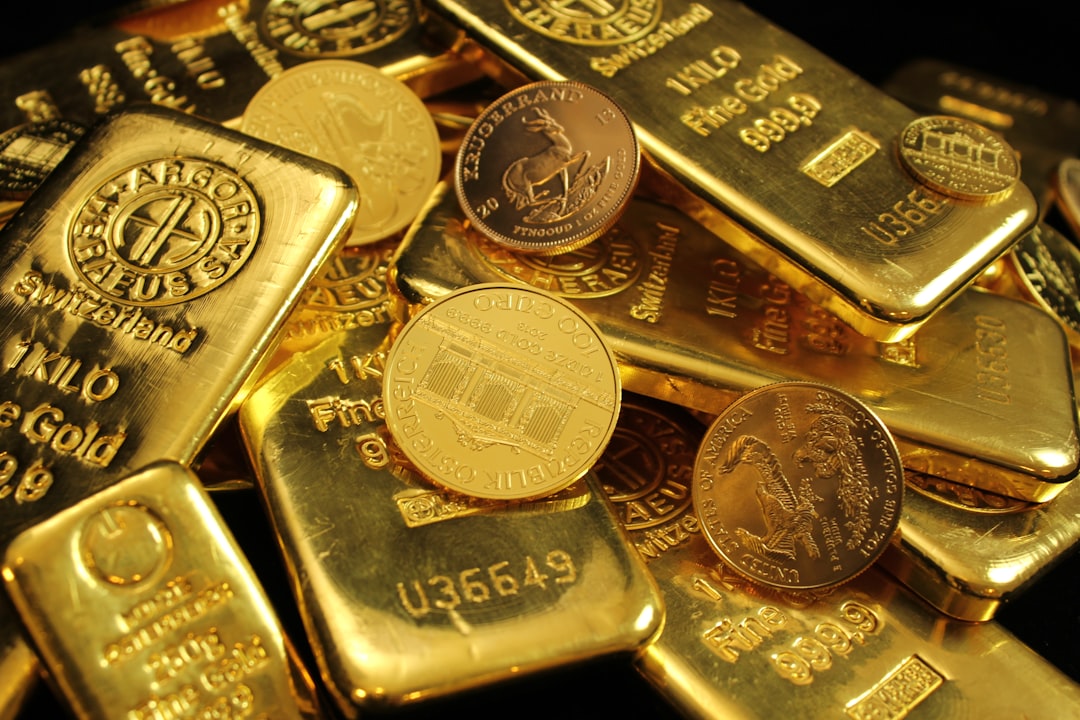
- Precious Metals ETFs — Gold and silver are the classic inflation hedges. SPDR Gold Shares (GLD) and iShares Silver Trust (SLV) remain among the most liquid commodity ETFs globally. As of early 2026, gold has maintained a price range above $2,400/oz, reinforcing its store-of-value narrative.
- Energy ETFs — Funds like United States Oil Fund (USO) or Energy Select Sector SPDR (XLE) give exposure to oil and natural gas. Note: XLE includes equities (oil company stocks), not futures, which changes the risk profile significantly.
- Agricultural Commodity ETFs — Funds tracking wheat, corn, soybeans, and soft commodities. Invesco DB Agriculture Fund (DBA) is a frequently cited example. These are highly sensitive to climate events and geopolitical disruptions in key growing regions.
- Industrial Metals ETFs — Copper, aluminum, and nickel are increasingly tied to the green energy transition (think EV batteries and solar infrastructure). iPath Series B Bloomberg Copper Subindex Total Return ETN (JJC) is one example worth knowing.
The “Contango Problem” — What Beginners Often Miss
Here’s something most introductory articles gloss over, but we’re not going to: many commodity ETFs don’t actually hold the physical commodity. They hold futures contracts — agreements to buy the commodity at a future date. This creates a phenomenon called contango, where future-priced contracts are more expensive than today’s spot price, meaning the fund continuously “rolls” from cheaper expiring contracts into pricier new ones. Over time, this roll cost erodes returns.
This is why, for example, USO (the oil ETF) significantly underperformed actual crude oil prices during certain stretches of the 2020s. If you’re investing for a long-term inflation hedge, look for ETFs that use optimized rolling strategies (like COMT or DBC) or physically-backed funds like GLD for gold.
Global & Domestic Examples in 2026
Looking internationally, South Korea’s retail investor base has shown growing interest in commodity ETFs listed on the KRX, particularly gold and energy-linked products offered by Samsung Asset Management and Mirae Asset. In the U.S., Vanguard’s commodities exposure within their inflation-protection offerings continues to attract long-term portfolio diversifiers. In Europe, the iShares Diversified Commodity Swap UCITS ETF (ICOM) has seen consistent inflows as European investors navigate persistent energy cost pressures post-Ukraine conflict.
A particularly interesting 2026 case: copper ETFs have surged in institutional attention as global EV adoption accelerates. The International Energy Agency projects copper demand for clean energy infrastructure to double by 2030, making industrial metals ETFs not just an inflation hedge but a potential thematic growth play.
How to Actually Build a Commodity ETF Hedge — Realistically
The most common advice is to allocate 5–15% of your total portfolio to commodities as a hedge. But let’s be more nuanced than that:
- If you’re a conservative, long-term investor: A 5–8% allocation to a physically-backed gold ETF (like GLD or IAU) plus a small slice of a broad commodity index fund is probably sufficient. Low drama, solid hedge.
- If you’re moderately aggressive: Consider a barbell approach — gold/silver ETFs on one end (stability), copper or energy ETFs on the other (growth potential tied to the energy transition).
- If you have a shorter time horizon (1–3 years): Be cautious. Commodity prices are notoriously volatile in the short term. An agricultural ETF can swing 20–30% on a single weather event or geopolitical headline.
- Tax efficiency matters: In the U.S., commodity ETFs backed by futures (like DBC) are often structured as limited partnerships, triggering K-1 forms at tax time — a real headache. Equity-based commodity ETFs (like XLE) or physically-backed ones (like GLD) are typically simpler from a tax perspective.
Realistic Alternatives If Commodity ETFs Feel Too Complex
Not everyone should jump into commodity ETFs, and that’s completely okay. Here are alternatives worth considering based on your situation:
- TIPS (Treasury Inflation-Protected Securities): U.S. government bonds where the principal adjusts with CPI. Lower volatility than commodities, but also lower upside. ETFs like iShares TIPS Bond ETF (TIP) make this accessible.
- Real Estate / REITs: Property has historically been an excellent long-term inflation hedge. REIT ETFs like Vanguard Real Estate ETF (VNQ) give you exposure without owning physical property.
- Commodity-Producing Company Stocks: Investing in mining companies, energy producers, or agricultural conglomerates gives indirect commodity exposure with the added benefit of dividends and equity upside.
- I-Bonds (U.S.): Still one of the most underrated inflation hedges for individual investors. The annual purchase limit ($10,000 per person) is restrictive, but for smaller portfolios, the safety and inflation-linked returns are hard to beat.
The bottom line? Commodity ETFs are a genuinely useful tool in the inflation-hedging toolkit — but they’re not magic, and they’re not for everyone. The key is matching the instrument to your actual risk tolerance, time horizon, and tax situation. Don’t invest in something because it sounds sophisticated; invest in it because you understand what it does and why.
Editor’s Comment : In a 2026 economy where inflation has become a structural feature rather than a temporary crisis, ignoring real asset exposure in your portfolio is a choice with real consequences. But equally, diving into futures-based commodity ETFs without understanding contango or roll yield is the kind of “I read one article” mistake that costs people real money. The sweet spot? Start small — maybe a 5% gold ETF allocation — learn how it behaves in your actual portfolio, and expand from there. Treat it like any skill: earn the right to go deeper by understanding what you already own.
📚 관련된 다른 글도 읽어 보세요
- The 2026 Senior Chronic Disease Diet Guide: What to Eat When Managing Multiple Conditions at Once
- Rising Energy Costs Are Squeezing Semiconductor Profits in 2026 — Here’s What’s Really Going On
- 국내 비트코인 ETF 출시 현황 2026 — 드디어 문이 열리나?
태그: [‘commodity ETF’, ‘inflation hedge 2026’, ‘gold ETF investment’, ‘portfolio diversification’, ‘TIPS vs commodities’, ‘energy ETF 2026’, ‘inflation-proof investing’]