Picture this: Margaret, a 72-year-old retired schoolteacher in Ohio, noticed that climbing her front porch stairs — something she’d done effortlessly for 40 years — suddenly felt like scaling a small mountain. Her doctor initially chalked it up to “just aging.” But after a DEXA scan and muscle function test, the diagnosis was clear: sarcopenia, a progressive loss of skeletal muscle mass and strength that affects roughly 1 in 3 adults over the age of 60. And here’s the kicker — Margaret had never even heard the word before her diagnosis.
She’s far from alone. As we move through 2026, sarcopenia is finally getting the medical spotlight it deserves, after decades of being dismissed as an inevitable side effect of growing old. Let’s think through this together — what it actually is, how to spot it early, and most importantly, what you can realistically do about it.
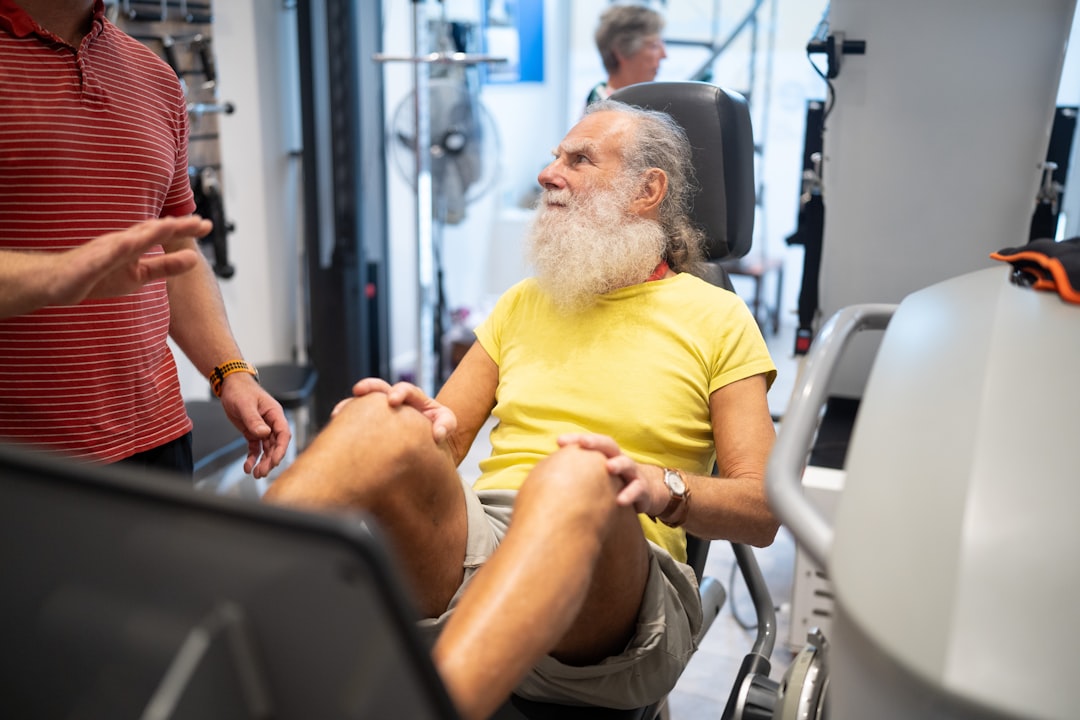
🔍 What Exactly Is Sarcopenia? Let’s Break It Down
The term comes from the Greek words sarx (flesh) and penia (poverty) — quite literally, “poverty of flesh.” Medically speaking, sarcopenia is defined as a syndrome characterized by progressive and generalized loss of skeletal muscle mass, strength, and physical performance. In 2026, the Global Leadership Initiative in Sarcopenia (GLIS) updated its clinical guidelines to emphasize that muscle quality — not just quantity — is equally critical in diagnosis.
Here’s what makes sarcopenia particularly sneaky: it begins as early as your 30s, with adults losing approximately 3–8% of muscle mass per decade after that point. After age 60, that rate can accelerate dramatically — up to 15% per decade in sedentary individuals. By the time most people notice symptoms, significant muscle loss has already occurred.
⚠️ Recognizing the Symptoms — More Than Just “Feeling Weak”
This is where things get nuanced, so let’s slow down. Sarcopenia doesn’t announce itself with a dramatic event. Instead, it creeps in through subtle functional changes. Here are the key warning signs to watch for:
- Reduced grip strength: Struggling to open jars, carry grocery bags, or shake hands firmly. Grip strength is now considered a reliable biomarker for overall muscle health.
- Slowed walking speed: If it takes longer than 5 seconds to walk 4 meters at a comfortable pace, that’s a clinical red flag.
- Difficulty rising from a chair: Without using your arms for support — this tests lower-body functional strength directly.
- Unexplained fatigue: Feeling exhausted after minimal physical activity that wasn’t previously challenging.
- Increased fall frequency: Sarcopenia is responsible for approximately 30% of fall-related hospitalizations in adults over 65, according to a 2025 WHO elder health report.
- Shrinking limb circumference: Visibly thinner thighs or upper arms compared to earlier years.
- Poor balance and coordination: Feeling unsteady on uneven surfaces or during tasks requiring single-leg support.
🧬 What’s Actually Causing This? The Science Is Fascinating
Understanding the “why” helps us tackle the “how.” Sarcopenia is multifactorial — meaning it’s rarely caused by one single thing. The contributing factors include:
- Hormonal shifts: Declining levels of testosterone, estrogen, growth hormone (GH), and insulin-like growth factor-1 (IGF-1) all reduce the body’s capacity for muscle protein synthesis.
- Chronic low-grade inflammation: Often called “inflammaging,” elevated markers like IL-6 and TNF-alpha actively degrade muscle tissue over time.
- Mitochondrial dysfunction: Aging mitochondria in muscle cells become less efficient at producing energy, reducing muscle endurance and repair capacity.
- Inadequate protein intake: Many older adults consume far less protein than recommended — the current 2026 RDA for adults over 65 is 1.2–1.6g of protein per kilogram of body weight per day, significantly higher than the general adult guideline.
- Physical inactivity: Sedentary behavior accelerates muscle atrophy — muscle needs mechanical stress to signal protein synthesis.
- Neuromuscular deterioration: The communication pathway between motor neurons and muscle fibers weakens with age, reducing the efficiency of muscle contractions.
🌍 What Are Leading Countries Doing About It? Real-World Examples
Let’s look at how different healthcare systems are tackling this in 2026, because the approaches are genuinely interesting and instructive.
South Korea has been particularly proactive. Given that South Korea is one of the world’s fastest-aging societies, the Korean Society of Sarcopenia updated its national screening protocol in early 2026, mandating that all adults over 60 receive a muscle function assessment during their annual health check-up. Community fitness centers specifically designed for resistance training in older adults — called 근력 증진 센터 (Muscle Enhancement Centers) — have been funded in over 200 districts nationwide.
Japan, never one to shy away from longevity science, has integrated sarcopenia prevention into its national nutrition policy. The Japanese government subsidizes high-protein meal programs for adults over 65 in rural areas, and there are now over 3,000 certified “Sarcopenia Prevention Instructors” working in community health settings as of 2026.
Spain and Italy, through the European Geriatric Medicine Society (EuGMS), launched a continent-wide sarcopenia registry in 2025 that continues to expand in 2026. This database is helping researchers track which interventions work best across different demographics, diets, and activity levels — producing incredibly rich longitudinal data.
In the United States, CMS (Centers for Medicare & Medicaid Services) began reimbursing structured resistance training programs prescribed by physicians in 2025, a landmark policy shift that has significantly increased access for lower-income seniors who previously couldn’t afford gym memberships or physical therapy.
💪 Treatment Options — And Let’s Be Realistic About What Works
Here’s where I want us to think carefully together, because “treatment” for sarcopenia isn’t a single pill or procedure. It’s a multi-pronged strategy, and different options work better for different people depending on their mobility, living situation, and overall health.
1. Resistance Training — The Gold Standard
No other intervention comes close to the effectiveness of progressive resistance exercise. Studies published in the Journal of Cachexia, Sarcopenia and Muscle consistently show that 2–3 sessions per week of resistance training over 12 weeks can increase muscle mass by 1–3% and strength by 25–35% even in adults over 80. The key word is “progressive” — gradually increasing the load as you get stronger. For those with limited mobility, chair-based resistance exercises and resistance bands are highly effective starting points.
2. Protein Optimization — Timing Matters
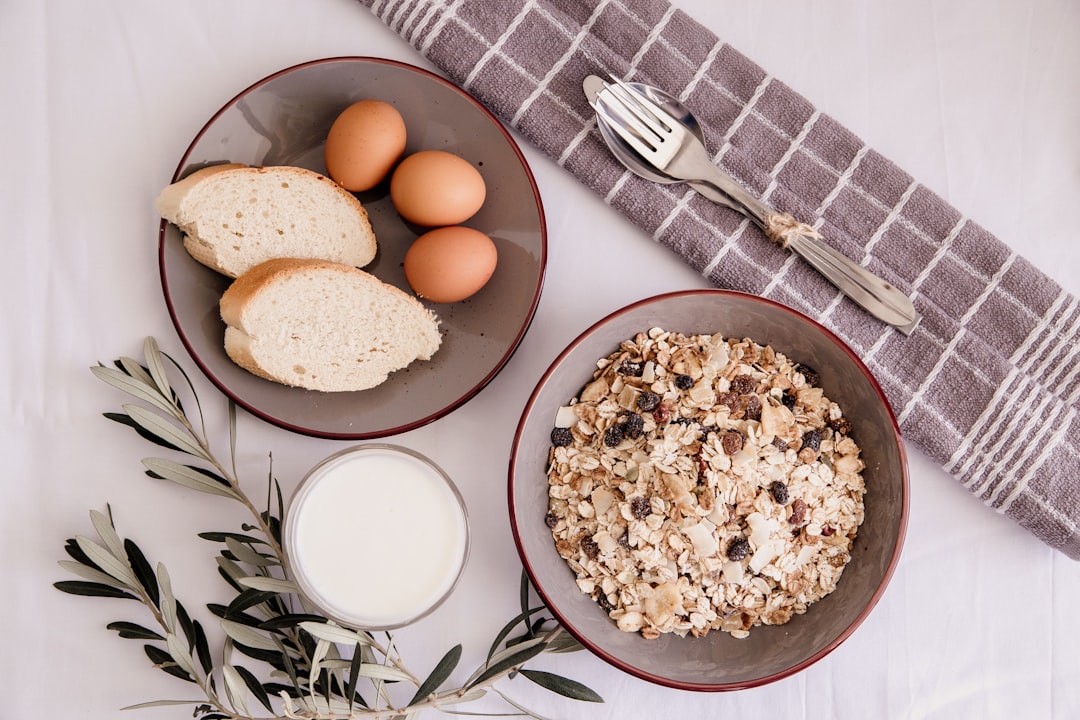
It’s not just about how much protein you eat, but when. Research shows that distributing protein intake evenly across 3 meals (rather than loading it at dinner) significantly improves muscle protein synthesis in older adults. Leucine-rich proteins — found in whey, eggs, chicken, and legumes — are particularly effective. Whey protein supplementation post-exercise has shown especially strong results in clinical trials.
3. Vitamin D & Omega-3 Supplementation
Vitamin D deficiency is alarmingly common in older adults and directly impairs muscle function. A 2026 meta-analysis in Nutrients confirmed that supplementing with 2,000–4,000 IU of Vitamin D3 daily (in deficient individuals) combined with resistance training produced significantly better outcomes than exercise alone. Omega-3 fatty acids (EPA and DHA) also show promise in reducing muscle protein breakdown by dampening inflammaging pathways.
4. Emerging Pharmacological Options
As of 2026, there are no FDA-approved drugs specifically for sarcopenia, but several are in late-stage trials. Selective androgen receptor modulators (SARMs) and myostatin inhibitors are showing real promise. Creatine monohydrate — affordable, well-studied, and safe — continues to demonstrate consistent benefits in older adults when combined with resistance training.
5. Mind-Body Approaches
Don’t underestimate tai chi and yoga. Multiple trials have shown these practices improve neuromuscular coordination, balance, and fall prevention — addressing the functional consequences of sarcopenia even when building large amounts of muscle mass isn’t feasible.
🛠️ Realistic Alternatives for Different Situations
Not everyone has access to a gym or a personal trainer. Let’s think through practical paths:
- Homebound or low-mobility individuals: Resistance bands, water bottles as weights, and chair squats are surprisingly effective when done consistently. Telehealth physical therapy — widely available in 2026 — allows certified therapists to guide exercise programs remotely.
- Those with financial constraints: Many community centers and senior centers offer free or low-cost group exercise classes. In the U.S., Medicare Advantage plans increasingly cover fitness programs specifically for older adults.
- Caregivers helping a loved one: Focus on daily functional movements — standing up from a chair 10 times in a row, walking at a brisk pace for 15 minutes, carrying light groceries. Consistency with small activities compounds significantly over time.
- Those with comorbidities (osteoporosis, arthritis): Water-based resistance exercise (aquatic therapy) reduces joint stress while still providing meaningful muscle stimulus. Always coordinate with a physician before starting.
The bottom line? Sarcopenia is not an inevitable sentence. It’s a manageable, and in many cases reversible, condition — especially when caught early. The worst thing we can do is accept muscle loss as “just part of getting older” and do nothing about it.
Editor’s Comment : What strikes me most about sarcopenia is how long it was ignored simply because it didn’t look like a “disease” in the traditional sense. There’s no dramatic onset, no obvious infection, no visible wound — just a quiet, gradual erosion of the body’s most fundamental machinery. In 2026, we finally have the clinical framework, the data, and the public health infrastructure to take it seriously. If you’re over 55, or caring for someone who is, please don’t wait for a fall or a fracture to start paying attention to muscle health. A simple grip strength test at your next doctor’s visit could be genuinely life-changing. Start where you are, with what you have — even 20 minutes of resistance exercise three times a week is enough to begin turning the tide.
📚 관련된 다른 글도 읽어 보세요
- 인플레이션 헤지, 원자재 ETF 투자로 돈 지키는 법 (2026년 완전 정리)
- Best Fall Prevention Exercises for Seniors in 2026: What Actually Works (And Why Most People Get It Wrong)
- 2026 노인 건강보험 달라진 점 총정리 — 보험료부터 급여 확대까지 꼭 확인하세요
태그: [‘sarcopenia symptoms treatment’, ‘muscle loss in elderly’, ‘sarcopenia exercise therapy 2026’, ‘aging muscle health’, ‘senior fitness and nutrition’, ‘sarcopenia prevention strategies’, ‘elderly strength training’]