A colleague of mine — a schoolteacher with zero Wall Street background — quietly turned a modest $8,000 savings into a $14,500 portfolio over three years. Her secret? She didn’t pick individual stocks. She didn’t chase crypto. She bought gold ETFs and, more importantly, she had a strategy. That story stuck with me, and it’s exactly why I want to walk you through the evolving landscape of gold ETF investing in 2026.
Gold has always been the go-to hedge against chaos — inflation, geopolitical tension, currency devaluation. But simply buying gold and hoping for the best is a 1990s move. In today’s market, a nuanced ETF strategy can mean the difference between modest gains and genuinely impressive portfolio protection.
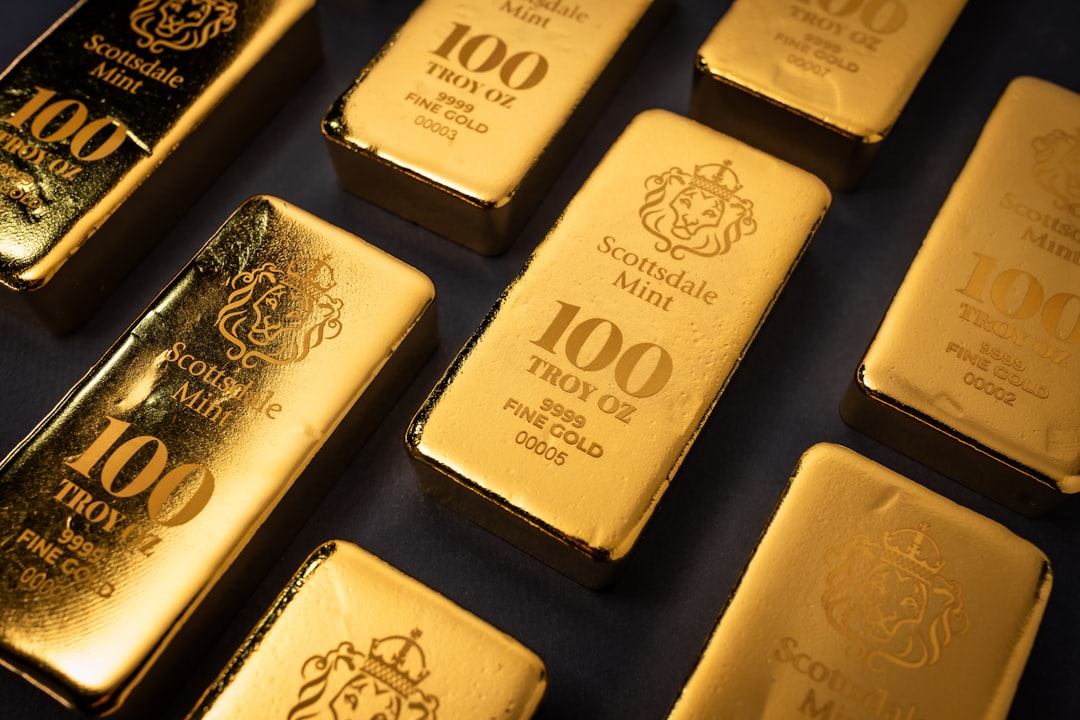
Why Gold ETFs Still Make Sense in 2026
Let’s get grounded in the data first. As of early 2026, gold spot prices have been hovering in a historically elevated range near $2,900–$3,100 per troy ounce, driven by persistent inflation concerns in Europe, continued de-dollarization moves by BRICS-aligned nations, and central banks (particularly China, India, and Poland) aggressively adding to their gold reserves. The World Gold Council reported that central bank gold purchases exceeded 1,000 tonnes for the third consecutive year in 2025 — a trend that shows no signs of reversing.
For regular investors, physically owning gold is cumbersome — storage fees, insurance, liquidity issues. Gold ETFs solve all of that. They trade like stocks, have low expense ratios, and track gold prices with remarkable accuracy. But here’s where strategy kicks in: not all gold ETFs are created equal.
Breaking Down the Types of Gold ETFs
Before picking a fund, you need to understand what you’re actually buying. There are three main categories:
- Physical Gold ETFs: These hold actual gold bullion in vaults. Examples include SPDR Gold Shares (GLD) and iShares Gold Trust (IAU). They move almost 1:1 with gold spot prices. Best for conservative, long-term hedging.
- Gold Miner ETFs: These invest in gold mining companies (e.g., VanEck Gold Miners ETF — GDX). They offer leveraged exposure to gold prices — when gold rises 10%, miners might rise 20–30%. But the downside is amplified too. Higher risk, higher potential reward.
- Gold Futures-Based ETFs: These use futures contracts to track gold. They can suffer from “contango” (where rolling futures costs eat into returns over time). Generally better for short-term tactical plays rather than buy-and-hold strategies.
The Core-Satellite Strategy: A Practical Framework
One of the most effective approaches I’ve seen working well in 2026 is the core-satellite model. Here’s how it works in plain terms:
- Core (60–70% of your gold allocation): Park this in a low-cost physical gold ETF like IAU (expense ratio: 0.25%) or GLD (0.40%). This is your stability anchor. You’re not trying to outperform — you’re trying to preserve purchasing power.
- Satellite (30–40% of your gold allocation): Allocate this to a gold miner ETF like GDX or GDXJ (junior miners — higher volatility, higher upside). This is where you chase performance when gold sentiment is bullish.
- Rebalance quarterly: If miners surge and now represent 55% of your gold sleeve, trim back to your target. Discipline, not emotions, drives the returns.
Real-World Examples: What Investors Are Doing
Let’s look at some concrete examples that illustrate the range of approaches being used right now.
South Korea’s retail investor surge: Korean retail investors (nicknamed “개미” — ants) have significantly increased gold ETF holdings through platforms like Samsung Asset Management’s KODEX Gold Futures ETF and ACE KRX Gold Spot ETF. The appeal? A weak Korean won in 2025–2026 made dollar-denominated gold even more attractive as a currency hedge. This is a classic case of using gold ETFs to hedge local currency risk — a strategy absolutely relevant for investors in any emerging market economy.
U.S. institutional pivot: Bridgewater Associates — Ray Dalio’s legendary macro hedge fund — has long advocated for gold as part of an “All Weather” portfolio (roughly 7.5% gold allocation). In their 2026 outlook, the firm reinforced the case for gold amid what they call “the great monetary disorder” — central banks simultaneously fighting inflation while managing record debt levels. Retail investors following this institutional logic have been quietly accumulating GLD positions on price dips.
European defensive buying: With ongoing geopolitical fragility and the European Central Bank navigating a delicate rate environment, European investors have turned to Xetra-Gold and Xtrackers Physical Gold ETC as low-cost physical gold alternatives. Their strategy is straightforward: hold 10–15% of total portfolio in gold as a “sleep well at night” hedge.
Timing and Entry Points: The Dollar-Cost Averaging Argument
Here’s a question I get constantly: “Should I wait for gold to dip before buying?” Honestly? Trying to time gold is notoriously difficult — even professionals with sophisticated macro models get it wrong regularly. The more realistic and statistically sound approach is dollar-cost averaging (DCA) — investing a fixed amount (say, $300–$500) into your gold ETF every month regardless of price. Over 12–24 months, this smooths out your average cost basis and removes the emotional paralysis of trying to nail the “perfect” entry.
That said, if gold has had a sharp short-term rally (5–8% in a month), it’s reasonable to slow your DCA pace temporarily and wait for consolidation. This isn’t market timing — it’s just common sense position management.
Tax Considerations You Can’t Ignore
This is where many beginner investors get blindsided. In the U.S., physical gold ETFs (like GLD and IAU) are classified as collectibles by the IRS — meaning long-term capital gains are taxed at up to 28%, not the standard 15–20% equity rate. Gold miner ETFs, however, are taxed as regular equities. Depending on your tax bracket, this distinction could meaningfully impact your net returns. Always consult a tax advisor, but at minimum, consider holding physical gold ETFs in tax-advantaged accounts (IRA, 401k) to defer that tax hit.
Realistic Alternatives If Gold ETFs Don’t Fit Your Situation
Not everyone should go heavy on gold ETFs — and that’s completely okay. Here are some tailored alternatives worth considering:
- If you want inflation protection but prefer diversification: Consider a Commodity ETF (like PDBC or DJP) that includes gold alongside oil, agricultural commodities, and industrial metals. You get broader inflation hedging without gold concentration risk.
- If you’re in an emerging market with currency volatility: Look into local gold ETFs denominated in your home currency — they often provide a more direct hedge against currency debasement than dollar-denominated alternatives.
- If you want yield alongside inflation protection: Treasury Inflation-Protected Securities (TIPS) ETFs or I-Bonds can complement (not replace) gold in a portfolio. Gold pays no dividend; TIPS do.
- If you’re younger with a long horizon: Gold should likely be a smaller slice (5–8%) of a growth-oriented portfolio, not the centerpiece. Gold doesn’t compound — equities do.
The key takeaway is that gold ETFs are tools — powerful ones — but they work best when fitted into a coherent overall portfolio strategy, not bolted on as an afterthought during a crisis.
Editor’s Comment : Gold ETF investing in 2026 rewards patience, structure, and a clear understanding of why you’re holding gold in the first place. If your answer is “because everyone’s talking about it,” that’s a red flag. But if your answer is “to hedge 10% of my portfolio against currency risk and inflation,” you’re already thinking like a serious investor. Start small, stay consistent with DCA, understand the tax implications, and revisit your allocation every quarter. Your future self — maybe that schoolteacher version of you — will thank you for it.
📚 관련된 다른 글도 읽어 보세요
- 2026년 인플레이션 헤지, 원자재 ETF로 자산을 지키는 현실적인 방법
- 유가 변동성이 반도체 수출 기업 주가에 미치는 영향 — 2026년 최신 분석
- Best Supplements for Seniors in 2026: What Actually Works (And What to Watch Out For)
태그: [‘gold ETF investment strategy 2026’, ‘best gold ETFs 2026’, ‘how to invest in gold ETFs’, ‘GLD IAU gold ETF comparison’, ‘gold portfolio hedging’, ‘physical gold ETF vs miner ETF’, ‘inflation hedge investment 2026’]