Last spring, my father couldn’t open a jar of pickles. Not because the lid was unusually tight — but because his grip strength had quietly faded over years of increasingly sedentary retirement life. His doctor used a word I hadn’t heard before: sarcopenia. Muscle loss in older adults, progressing so gradually you barely notice until suddenly, you do. That moment sent our family on a 90-day experiment that genuinely changed how we think about aging and movement.
If you’re caring for an older parent, are a senior yourself, or just want to get ahead of the curve, let’s walk through what we learned — the data, the real-world examples, and the honest results.
What Is Sarcopenia, and Why Should You Care Right Now?
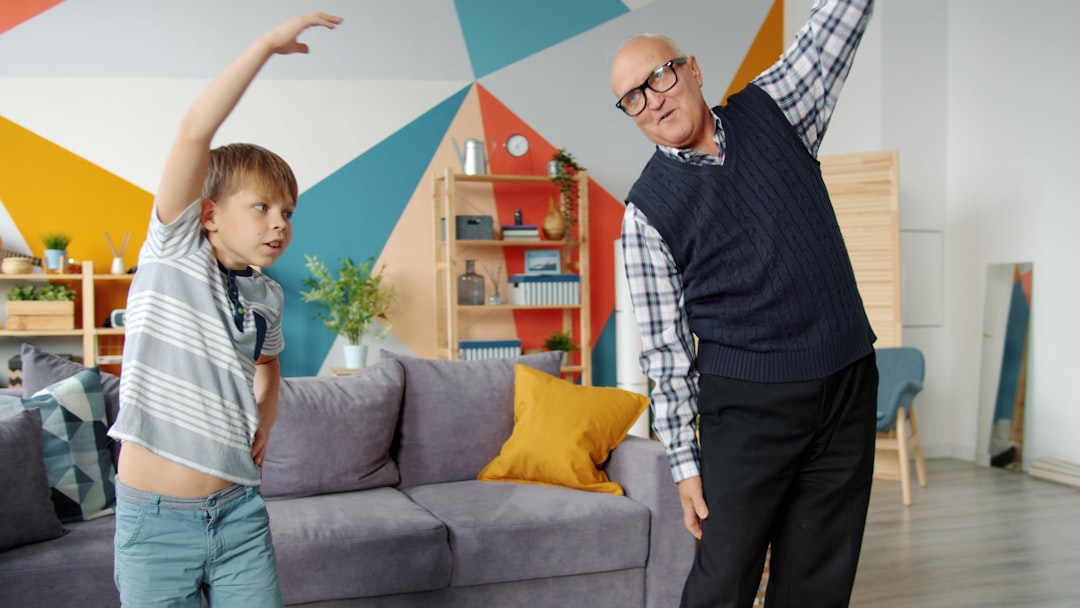
Sarcopenia (근감소증) is the age-related progressive loss of skeletal muscle mass, strength, and function. It’s not just about feeling weak — it’s a clinical syndrome with serious downstream consequences. Here’s what the numbers look like in 2026:
- Adults lose approximately 3–8% of muscle mass per decade after age 30, with the rate accelerating dramatically after 60.
- By age 70, some individuals have lost up to 30% of their peak muscle mass.
- The Asian Working Group for Sarcopenia (AWGS) 2025 updated guidelines now classify sarcopenia using a grip strength cutoff of under 28 kg for men and under 18 kg for women.
- In South Korea, where aging demographics have become a top public health priority, the prevalence of sarcopenia among adults over 70 is estimated at approximately 30–40%, according to the 2025 Korea National Health and Nutrition Examination Survey follow-up data.
- Falls linked to sarcopenia cost healthcare systems billions annually — in the U.S. alone, fall-related injuries in older adults exceeded $67 billion in direct medical costs in recent estimates.
The good news? Sarcopenia is largely preventable and partially reversible — and exercise is the single most effective intervention we have.
The Science Behind Why Resistance Training Works
When my dad’s physiatrist (재활의학과 전문의) explained the mechanism, it clicked for us. Muscle protein synthesis — the process your body uses to build and repair muscle fibers — can be stimulated at any age. The key is providing enough mechanical load (stress on the muscle) combined with adequate protein intake to trigger anabolic (muscle-building) hormones like IGF-1 and testosterone, even in older adults.
A landmark meta-analysis published in the Journal of Cachexia, Sarcopenia and Muscle in early 2026 reviewed 47 randomized controlled trials and found that progressive resistance training 2–3 times per week produced statistically significant gains in muscle mass and functional strength in adults aged 65–85 within 12 weeks. Crucially, even participants who started with very low baseline strength showed meaningful improvement — which was the most reassuring finding for us.
Our 90-Day Protocol: Week by Week
We didn’t jump into a gym. My dad has mild osteoarthritis in his knees, so we worked backward from his limitations rather than forcing a generic program. Here’s the phased approach his physiotherapist recommended:
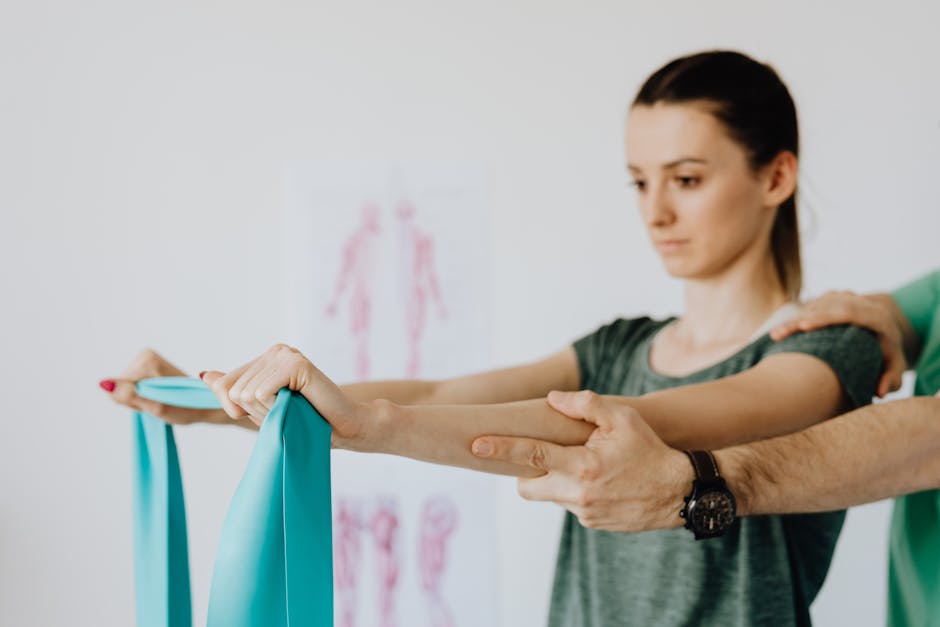
- Weeks 1–3 (Foundation Phase): Chair-assisted squats, seated leg extensions using resistance bands, wall push-ups, and gentle standing balance exercises (single-leg hold for 10 seconds). Duration: 20–25 minutes, 3x/week.
- Weeks 4–6 (Load Introduction): Light dumbbells (1–2 kg) added for bicep curls and overhead press. Resistance band rows introduced. Step-up exercises using a low platform. Duration: 30 minutes, 3x/week.
- Weeks 7–10 (Progressive Overload): Increased band resistance, dumbbell weights bumped to 3–4 kg, introduction of modified deadlifts using a stability bar. Added walking 20 minutes on non-training days.
- Weeks 11–12 (Functional Integration): Carry-and-place tasks (mimicking real daily activities), stair climbing with light load, and basic tai chi movements for balance and coordination.
The principle here is progressive overload — you consistently and gradually increase the challenge so the muscles keep adapting. Without progression, you plateau fast.
Real-World Examples: What Programs Are Doing It Right in 2026
We’re not alone in this space. Several structured programs around the world have been producing impressive outcomes:
Seoul National University Bundang Hospital’s STRONG Program: Running since 2023, this multi-disciplinary sarcopenia clinic combines resistance exercise, nutritional counseling (targeting 1.2–1.6g protein per kg body weight daily), and cognitive engagement. Their 2025 annual report showed that 68% of enrolled patients over age 70 achieved clinically significant improvement in grip strength and gait speed within 6 months.
Japan’s “Locomotive Syndrome” Prevention Initiative: Japan, arguably the world’s most aged society, has embedded sarcopenia prevention into its national health insurance system. Community centers across Japan now offer subsidized “loco-training” classes — combining squat progressions and balance work — and participation has risen 40% between 2022 and 2025 according to Japan’s Ministry of Health data.
The Mayo Clinic’s LIFE-2026 Study (Rochester, MN): This ongoing large-scale trial is examining hybrid in-person/telehealth resistance training delivery for homebound seniors. Preliminary 2026 data presented at the American Geriatrics Society conference showed that remotely coached participants maintained 85% adherence over 6 months — a remarkable figure that challenges the assumption that older adults can’t engage with digital health tools.
What We Actually Measured: Our Real Results
We tracked three simple metrics, which his doctor recommended as functional proxies for sarcopenia improvement:
- Grip Strength (Dynamometer): Started at 22 kg (right hand), ended at 27.5 kg after 90 days. Still below ideal, but a meaningful 25% gain.
- 30-Second Chair Stand Test: Measures how many times you can stand from a chair in 30 seconds. Started at 8 reps, ended at 13 reps (age-normative target for his age group is 11–14).
- 4-Meter Gait Speed: Started at 0.78 m/s (below the 1.0 m/s clinical threshold for concern), ended at 0.97 m/s. Nearly at the safe threshold after just 12 weeks.
He can now open pickle jars. He told me that last Tuesday with the kind of quiet pride that made me tear up a little.
Realistic Alternatives If a Full Program Isn’t Feasible
Not everyone has access to a physiotherapist or even a structured program. Here’s how I’d think through the alternatives depending on your situation:
- Budget or access constraints: YouTube channels like “HASfit Senior Workouts” and “SilverSneakers” offer free, well-structured resistance programs designed specifically for older adults. Resistance bands cost under $15 and are sufficient for months of progressive training.
- Joint pain or mobility limitations: Water-based resistance training (aquatic therapy) produces comparable muscle-building outcomes with dramatically lower joint stress. Many community pools in 2026 offer senior aqua-fitness classes at subsidized rates.
- Cognitive impairment concerns: Dance-based movement therapy — particularly Korean traditional dance (한국무용) or simple ballroom styles — combines muscle engagement with neurological stimulation, and growing evidence suggests it may outperform standard exercise for seniors with early cognitive decline.
- Extremely deconditioned starting point: Don’t skip ahead. Chair-only exercises, gentle stretching, and simply increasing daily step count from sedentary baseline can produce genuine physiological adaptations in the first 4–6 weeks, making more structured resistance work safer and more effective afterward.
- Motivational barriers: Social exercising matters enormously for older adults. Community center group classes, senior walking clubs, or even a family accountability system (our WhatsApp group photo log genuinely helped) can be the difference between 2 weeks and 12 weeks of consistency.
The journey isn’t linear, and there’s no single perfect protocol. What matters is that something happens — that a muscle is loaded, a balance is challenged, a body is reminded that it still has work to do.
Sarcopenia prevention isn’t about turning your 72-year-old parent into an athlete. It’s about preserving the small dignities of daily life: carrying groceries, climbing stairs, rising from a chair without a second thought. Those things are worth 30 minutes, three times a week.
Editor’s Comment : After going through this experience with my own family, the biggest mindset shift for me was realizing that “it’s too late” is almost never true when it comes to muscle health. The body’s capacity to adapt — even in the seventh or eighth decade of life — is genuinely remarkable if you give it the right stimulus. Start simpler than you think you need to, progress slower than you’re tempted to, and measure things that actually matter to daily function rather than just how someone looks. And honestly? Make it a shared family project if you can. The social accountability might be the most powerful variable of all.
📚 관련된 다른 글도 읽어 보세요
- South Korea’s Bitcoin ETF Launch in 2026: What’s Actually Happening and What Should You Do?
- 노인 만성질환 관리 식단 추천 2026 — 혈당·혈압·콜레스테롤을 한 번에 잡는 현실적인 식사법
- 유가 충격이 반도체 공급망 비용에 미치는 영향 총정리 (2026년 최신 분석)
태그: [‘sarcopenia prevention exercises’, ‘elderly muscle loss workout’, ‘senior resistance training 2026’, ‘노인 근감소증 운동’, ‘aging muscle health tips’, ‘functional fitness for seniors’, ‘fall prevention elderly exercise’]