Picture this: a 72-year-old retired teacher named Margaret notices that carrying her groceries has become noticeably harder over the past year. She hasn’t changed her diet, hasn’t stopped walking her dog — yet her arms feel weaker, her legs a little less steady. What’s happening? Chances are, she’s dealing with sarcopenia — the gradual, age-related loss of muscle mass and strength that affects an estimated 1 in 3 adults over age 60 worldwide. And here’s the kicker: the single most controllable factor in slowing it down is something we all do three times a day — eat.
Let’s think through this together, because the science around protein and aging muscle has gotten surprisingly nuanced in 2026, and the old “just eat more chicken” advice really doesn’t cut it anymore.
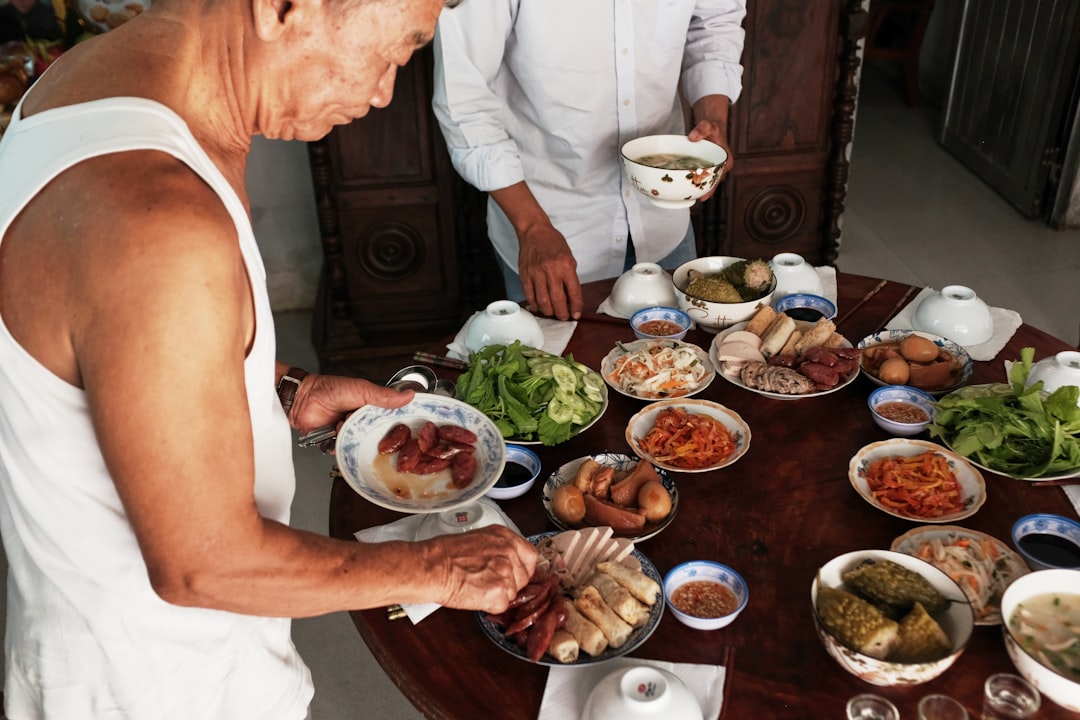
What Exactly Is Sarcopenia — And Why Should You Care?
Sarcopenia (from the Greek sarx = flesh, penia = loss) isn’t just about looking less toned. It’s a medically recognized syndrome that directly increases risk of falls, fractures, hospitalization, and loss of independence. After age 30, we naturally lose roughly 3–8% of muscle mass per decade, with that rate accelerating sharply after 60. By age 80, some individuals have lost up to 50% of their peak muscle mass.
The 2026 Global Burden of Disease report estimates that sarcopenia-related complications cost healthcare systems over $40 billion annually in the US and EU combined. In South Korea — a country with one of the world’s fastest-aging populations — the Korea Disease Control and Prevention Agency (KDCA) flagged sarcopenia as a top-5 geriatric health priority, with prevalence rates reaching nearly 29% in men and 14% in women over age 70.
Why Protein Is the Cornerstone (But Timing and Type Matter Enormously)
Here’s where it gets genuinely interesting. Most older adults have been told to “eat more protein,” but research published in the Journal of Cachexia, Sarcopenia and Muscle (2025–2026 series) reveals that how and when you eat protein matters just as much as how much.
- Recommended Daily Intake: The standard RDA of 0.8g/kg body weight is considered insufficient for older adults. Current consensus from the PROT-AGE Study Group recommends 1.2–1.6g of protein per kg of body weight per day for healthy seniors — rising to 1.8–2.0g/kg for those who are already frail or dealing with illness.
- Leucine — The Trigger Amino Acid: Muscle protein synthesis (MPS) doesn’t fire unless a leucine threshold of roughly 2.5–3g per meal is hit. Foods richest in leucine include whey protein, eggs, chicken breast, tuna, and edamame.
- Even Distribution Across Meals: Rather than eating 60g of protein at dinner (as many Westerners do), research strongly supports spreading intake across 3–4 meals, each containing 25–40g of protein. This “protein pulsing” strategy outperforms front-loading or back-loading by measurable margins in clinical trials.
- Anabolic Resistance: Older muscles are less responsive to protein — this is called anabolic resistance. Overcoming it requires not just more protein, but higher-quality, complete proteins with all essential amino acids.
- Post-Exercise Window: Consuming 20–40g of high-quality protein within 30–60 minutes after resistance training significantly enhances muscle repair and growth, even in adults in their 80s.
Real-World Examples: What Works in Practice
Let’s look at how different countries and communities are tackling this problem — because there’s a lot we can learn from real strategies being implemented right now in 2026.
🇯🇵 Japan’s “Shokuiku” Protein Push: Japan revised its national dietary guidelines in early 2026 to explicitly address sarcopenia prevention, recommending older adults incorporate fish, tofu, natto, and eggs at every main meal. Community centers now run “muscle lunch” programs for seniors aged 65+, pairing protein-rich bento boxes with light resistance band exercises. Early data shows a 12% reduction in fall-related hospitalizations among participants.
🇰🇷 South Korea’s “근력 밥상” (Muscle Meal Table) Initiative: The KDCA partnered with local governments in 2025–2026 to distribute protein-fortified traditional meals — think doenjang jjigae with added tofu and a side of grilled mackerel — to low-income elderly populations. The program targets the often-overlooked issue that many older adults simply eat less overall due to reduced appetite, dental issues, or social isolation.
🇺🇸 US Clinical Trials with Protein Supplementation: A 2026 multi-center study across Boston, Houston, and San Diego found that older adults (average age 74) who supplemented with whey protein isolate (25g twice daily) combined with twice-weekly resistance training showed a 9.4% increase in lean muscle mass over 6 months — compared to just 2.1% in the exercise-only group. The takeaway? Supplements can meaningfully bridge the gap when whole-food intake falls short.

Best Protein Sources for Older Adults: A Practical Breakdown
Not all protein is created equal — especially when digestion slows with age and chewing can become an issue. Here’s a realistic breakdown:
- Eggs (6g per egg, high leucine): Probably the most bioavailable, affordable, and easy-to-prepare complete protein. Scrambled, poached, or in soups — hard to beat.
- Greek Yogurt (15–20g per cup): Easy on digestion, rich in calcium (bonus for bone health), and pairs well with fruit. Opt for plain to avoid added sugar.
- Whey Protein Powder (20–25g per scoop): The gold standard for leucine content and rapid absorption. Ideal post-exercise. For those with lactose sensitivity, whey isolate is better tolerated.
- Canned Fatty Fish — Tuna, Salmon, Sardines (20–25g per serving): Anti-inflammatory omega-3s come as a bonus, which themselves have shown muscle-preserving properties in recent studies.
- Tofu and Edamame (plant-based, 10–18g per serving): A solid option for vegetarians; pair with rice or quinoa to get a complete amino acid profile.
- Legumes — Lentils, Chickpeas (15–18g per cup cooked): Budget-friendly and fiber-rich. Slightly lower in leucine, so combine with a leucine-rich food for maximum MPS stimulation.
- Chicken Breast / Turkey (26–30g per 100g): Classic lean protein. Easy to meal-prep, but watch out for dry textures that can be difficult to chew — braising or slow-cooking makes it more accessible for older adults.
Realistic Alternatives When the “Ideal” Isn’t Possible
Let’s be honest — telling a 78-year-old with reduced appetite and a small pension to eat four protein-rich meals a day isn’t always realistic. So let’s think through some practical workarounds:
- Protein fortification of favorite foods: Stir a scoop of flavorless protein powder into oatmeal, soups, or mashed potatoes. No change in taste, big change in intake.
- Smaller, more frequent snacks: If big meals are overwhelming, five smaller protein-containing snacks throughout the day can hit the same targets without discomfort.
- Protein-rich ready meals: In 2026, the market for high-protein senior nutrition products has expanded dramatically. Brands like Nestlé Health Science and Abbott’s Ensure Max Protein line now offer products specifically formulated for sarcopenia prevention — useful as a supplement (not a replacement) for whole foods.
- Social eating programs: Research consistently shows that older adults eat 30–40% more when eating with others versus alone. Community meal programs aren’t just good for the soul — they’re genuinely therapeutic for muscle health.
- Work with a Registered Dietitian (RD): A personalized plan that accounts for medications (some drugs affect protein metabolism), kidney function (high protein needs monitoring in chronic kidney disease), and food preferences is worth its weight in gold.
The bottom line? Sarcopenia isn’t inevitable — it’s manageable. The research in 2026 is clearer than ever that consistent, well-distributed, high-quality protein intake combined with even modest resistance exercise can meaningfully preserve muscle mass well into the eighth and ninth decades of life. That’s not a small thing — that’s the difference between independence and dependence.
Editor’s Comment : What strikes me most about the latest sarcopenia research is how it reframes aging itself — not as a passive decline but as something we actively participate in, one meal at a time. The 1.2–1.6g/kg protein target isn’t intimidating once you start mapping it to real foods. For a 65kg person, that’s roughly 78–104g of protein daily — achievable with eggs at breakfast, Greek yogurt as a snack, and salmon at dinner. Start there. Track for a week. You might be surprised how close you already are — or how a few small swaps can get you there. Your future self, steady on their feet and carrying their own groceries, will genuinely thank you.
📚 관련된 다른 글도 읽어 보세요
- 노인 우울증 증상, 이렇게 다릅니다 — 2026년 가족이 꼭 알아야 할 돌봄 가이드
- Small Modular Reactors: The 2026 Safety Controversy You Need to Understand Before It’s Too Late
- 2026년 차세대 원자력 기술 혁신 사례 총정리 — SMR부터 핵융합까지, 에너지의 미래가 바뀌고 있어요
태그: [‘sarcopenia prevention’, ‘protein intake elderly’, ‘muscle loss aging’, ‘senior nutrition 2026’, ‘anabolic resistance older adults’, ‘high protein diet seniors’, ‘healthy aging lifestyle’]