My neighbor Mrs. Kim is 74 years old, sharp as a tack, and absolutely refuses to give up her evening bowl of rice. When her doctor flagged her blood sugar levels last year, she came to me almost in tears — not because of the diagnosis, but because she genuinely couldn’t imagine a life without the foods she’d cooked for decades. Sound familiar? If you’re caring for an elderly parent, grandparent, or are navigating this yourself, you’re not alone. Managing diabetes in older adults is one of the most nuanced nutrition challenges out there — and honestly, it’s about so much more than cutting sugar.

Why Diabetes Management Looks Different After 65
Here’s something that doesn’t get talked about enough: the standard diabetes diet guidelines were largely developed with middle-aged adults in mind. Older bodies play by slightly different rules. According to data from the International Diabetes Federation (2026 Global Diabetes Atlas update), approximately 1 in 4 adults over the age of 65 lives with type 2 diabetes globally — and that number continues to climb. In South Korea alone, the Korea Disease Control and Prevention Agency (KDCA) reported in early 2026 that nearly 30% of adults aged 70 and above have diagnosed or undiagnosed type 2 diabetes.
What makes elderly diabetes management uniquely challenging?
- Reduced kidney function: Many older adults have some degree of chronic kidney disease (CKD), which limits protein intake and certain diabetic medications.
- Sarcopenia risk: Loss of muscle mass is common after 65, so cutting calories too aggressively can backfire badly.
- Polypharmacy: Many seniors take 5+ medications daily. Some — like corticosteroids or diuretics — directly affect blood glucose levels.
- Taste and appetite changes: Zinc deficiency (common in older adults) dulls taste perception, making bland diabetic meals even less appealing.
- Cognitive factors: Early cognitive decline can affect meal planning, cooking safety, and medication adherence.
The Core Principles: What the Research Actually Says in 2026
Let’s get into the practical stuff. Rather than chasing the perfect diet label (keto? Mediterranean? low-carb?), current consensus from the American Diabetes Association (ADA) and the Korean Diabetes Association (KDA) in 2026 points toward a flexible, individualized approach grounded in these principles:
1. Carbohydrates — Don’t Eliminate, Redistribute
For older adults, completely cutting carbs risks low energy, constipation, and dangerous hypoglycemic swings (especially for those on insulin). Instead, the goal is carbohydrate distribution — spreading 45–60% of daily calories from complex carbs across 3 meals and 1–2 snacks. Think brown rice over white, barley, oats, and legumes. A practical trick? Use a 9-inch plate: half vegetables, a quarter lean protein, a quarter complex grains.
2. Prioritize Protein Without Overdoing It
Protein is critical for muscle preservation in older adults — but too much stresses aging kidneys. The sweet spot for most non-CKD elderly diabetics? Around 1.0–1.2g of protein per kilogram of body weight per day. Excellent sources include tofu, eggs, fish (especially fatty fish like mackerel and salmon), and legumes. For those with CKD, this number drops to 0.6–0.8g/kg — always consult a registered dietitian for personalized targets.
3. Fiber Is Your Best Friend
Dietary fiber slows glucose absorption, reduces LDL cholesterol, and supports gut health. Yet most older adults in East Asian countries consume far below the recommended 25–30g daily. Simple additions: add barley or beans to rice, snack on a small handful of nuts, include kimchi or fermented vegetables daily, and swap white bread for whole grain options when possible.
4. Watch the Hidden Sugars
This is where seniors often get blindsided. Traditional Korean foods like sikhye (sweet rice punch), yuja-cha (yuzu tea), and certain doenjang-jjigae (soybean paste stew) variations can carry surprising glycemic loads. Similarly, Western-style “healthy” options like fruit juices, flavored yogurts, and granola bars are often sugar bombs in disguise. Reading labels and understanding the glycemic index (GI) of familiar foods is genuinely empowering.
Real-World Examples: What’s Working Globally
Let’s look at what’s actually being implemented with measurable results:
🇯🇵 Japan’s “Shokuiku” Approach: Japan’s national food education program (Shokuiku) has been adapted for elderly diabetics in several prefecture-level healthcare systems. The program emphasizes traditional washoku (Japanese cuisine) principles — small portions, diverse vegetables, fermented foods, and moderate complex carbs. A 2025 follow-up study in Osaka found that elderly diabetics following structured Shokuiku meal plans saw fasting blood glucose improve by an average of 18 mg/dL over 12 weeks without medication changes.
🇰🇷 Korea’s Community Health Center Programs: In 2026, the Korean government expanded its “Health 100” initiative to include diabetes-specific nutrition counseling at community health centers (보건소) for adults 65 and older — at no cost. The program pairs seniors with registered dietitians who create meal plans around culturally familiar foods. Early results from the Seoul metropolitan pilot show a 23% improvement in HbA1c compliance rates.
🇺🇸 U.S. YMCA Diabetes Prevention Program: The CDC-recognized Diabetes Prevention Program, now widely delivered through YMCA locations in the U.S., has adapted its lifestyle curriculum for older adults (65+) with a focus on realistic, sustainable eating habits. Participants in the 65+ cohort averaged a 5.7% reduction in body weight and meaningful improvements in post-meal glucose spikes over one year.
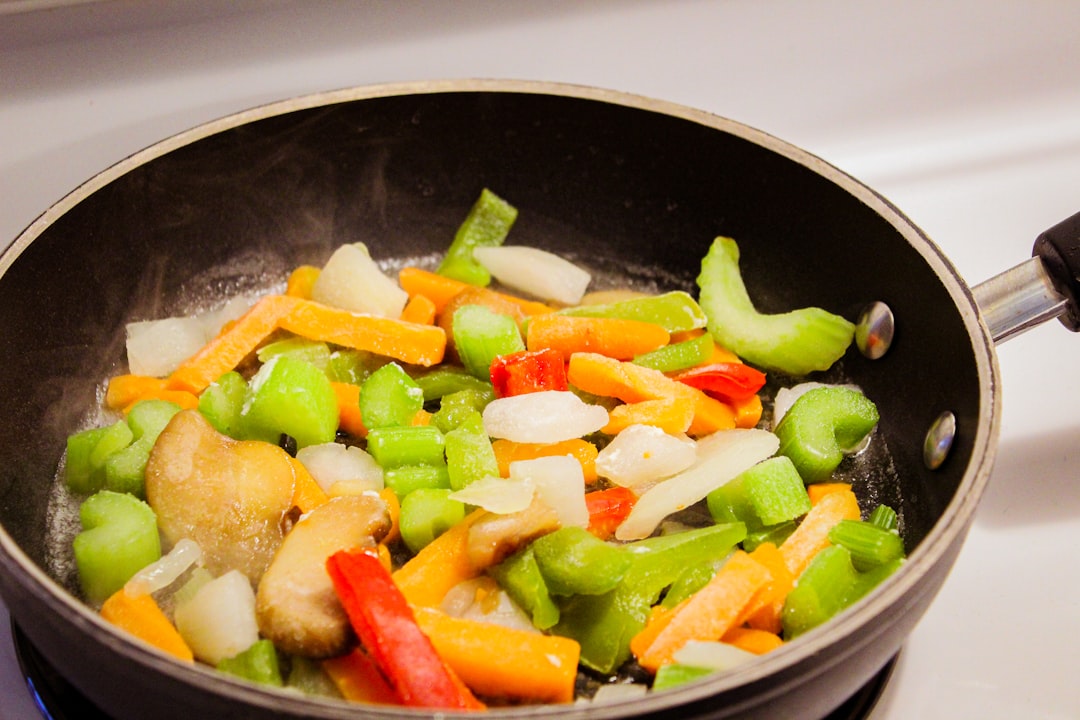
A Sample Daily Meal Framework for Elderly Diabetics
Here’s a realistic, practical day of eating designed around the principles above — adaptable to Korean or Western preferences:
- Breakfast: Mixed grain rice (잡곡밥, smaller portion ~150g cooked), soft tofu soup (순두부찌개, low sodium), 1 egg, small side of spinach namul. Alternatively: steel-cut oatmeal with a small handful of walnuts and fresh blueberries.
- Mid-morning snack: Small apple or 10–12 almonds (not both — choose based on hunger level).
- Lunch: Grilled mackerel or salmon (손바닥 크기), barley rice (~100g cooked), doenjang-jjigae with extra mushrooms and zucchini, cucumber kimchi (small portion).
- Afternoon snack: Unsweetened plain yogurt (100g) OR a small handful of roasted soybeans.
- Dinner: Smaller carbohydrate portion (try cauliflower rice mixed with a small amount of real rice as a transition strategy), steamed chicken or braised tofu, 2–3 vegetable side dishes (나물 varieties), clear broth soup.
Addressing the Emotional Side — Because It Matters
Let’s be real: telling a 78-year-old who has eaten a certain way for 60 years to “just change their diet” is easier said than done. Behavioral science tells us that identity-based habits are among the hardest to shift. Rather than framing it as restriction, try reframing familiar foods: smaller portions of beloved dishes alongside larger vegetable servings, fermented foods (already embedded in Korean culture) for gut and glucose health, and cooking methods that preserve flavor — braising, slow-cooking, and light seasoning with sesame oil rather than heavy sauces.
Family involvement is also evidence-based. A 2025 study in the journal Diabetes Care found that elderly diabetics whose family members actively participated in meal preparation showed significantly better dietary adherence over 6 months compared to those managing alone.
Realistic Alternatives When the “Ideal” Plan Isn’t Possible
Not everyone has access to a dietitian, the mobility to cook elaborate meals, or the budget for specialty health foods. Here’s how to make it work anyway:
- If cooking is difficult: Focus on meal-kit delivery services that offer diabetic-friendly options — many Korean platforms (쿠킷, 마켓컬리 meal solutions) now tag low-glycemic options clearly as of 2026.
- If budget is tight: Canned legumes (beans, chickpeas), frozen vegetables, eggs, and bulk grains like barley and oats are among the most affordable and nutritionally powerful options available.
- If appetite is poor: Prioritize nutrient density over volume. Smaller, more frequent meals with protein at every sitting help maintain muscle and blood sugar stability.
- If the senior lives alone: Community meal programs (경로당 급식 programs in Korea, Meals on Wheels in the U.S.) can provide structured, balanced meals several days per week — reducing the burden while maintaining nutrition standards.
- If cultural food preferences are strong: Work with those preferences, not against them. Traditional Korean cuisine is actually quite well-suited to diabetes management when portion sizes and sodium levels are adjusted.
The goal isn’t perfection — it’s progress. A 10–15% improvement in dietary habits, consistently maintained, outperforms a “perfect” diet followed for two weeks and then abandoned.
Editor’s Comment : Managing diabetes in older adults is genuinely one of those situations where rigid rules often do more harm than good. The most effective approach in 2026 isn’t about chasing the latest superfood or eliminating entire food groups — it’s about understanding the individual person sitting across from you, their history with food, their physical limitations, and their cultural identity. Mrs. Kim, my neighbor? She still has her evening rice. It’s just a smaller portion now, served alongside an extra helping of vegetables and braised tofu she’s learned to love. Her last HbA1c reading? Trending in the right direction. That’s what practical, compassionate diabetes management looks like.
태그: [‘elderly diabetes diet’, ‘senior diabetes meal plan’, ‘diabetes management older adults’, ‘blood sugar control seniors’, ‘diabetic meal planning 2026’, ‘Korean elderly nutrition’, ‘type 2 diabetes lifestyle management’]