Picture this: It’s early 2026, and your colleague walks into the office buzzing about how their commodity ETF position has quietly doubled over 18 months. You nod politely, but inside you’re wondering — did I miss the boat entirely? Spoiler: you probably haven’t. Commodity supercycles don’t end in a quarter. They tend to grind upward for years, and right now, the structural forces driving raw materials demand are arguably stronger than anything we’ve seen since the early 2000s China-led boom.
Let’s think through this together — what’s actually fueling this cycle, which ETFs are best positioned, and what stocks inside those funds deserve your closer attention in 2026.
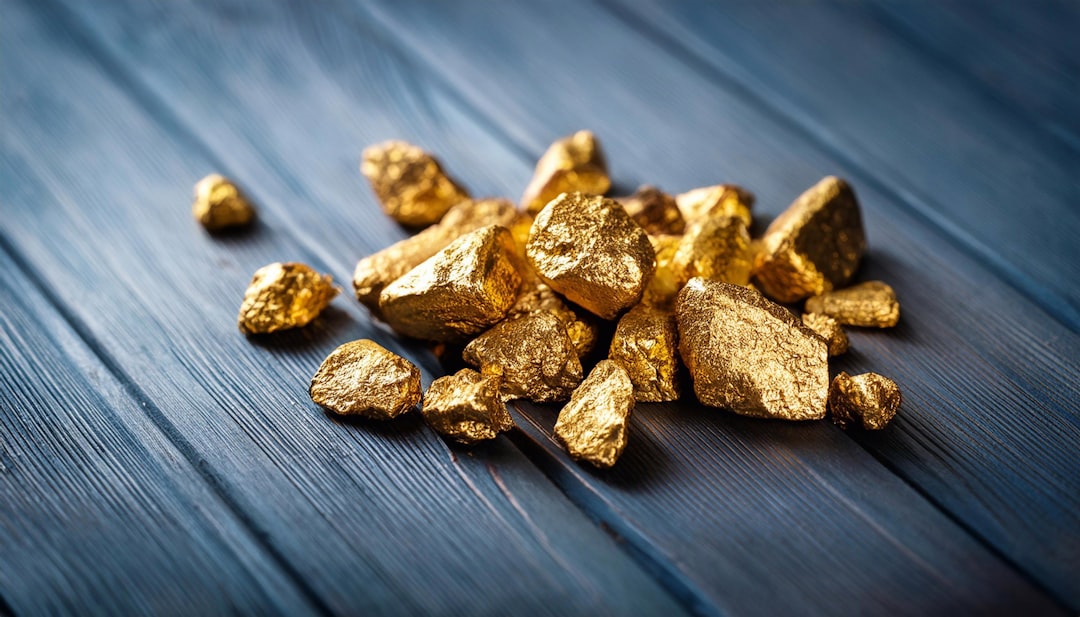
What Is a Commodity Supercycle — And Why Are We In One?
A commodity supercycle refers to an extended period (typically 10–35 years) of above-trend demand for raw materials, usually driven by massive structural shifts in the global economy. Think industrialization, energy transitions, or demographic booms. We’re not just talking about a seasonal copper rally here.
In 2026, three converging forces are feeding this cycle:
- The Energy Transition Demand Surge: EVs, grid-scale batteries, and solar infrastructure require enormous quantities of lithium, cobalt, copper, and nickel. The International Energy Agency (IEA) estimated that by mid-decade, clean energy technologies would account for over 40% of global copper demand growth — and we’re living that reality now.
- Re-industrialization in the West: Post-pandemic supply chain reshoring — particularly in the U.S. and EU — has triggered a construction and manufacturing boom that’s voraciously consuming steel, aluminum, and industrial metals.
- Geopolitical Supply Constraints: From Chilean copper mine strikes to Indonesian nickel export policies, supply-side disruptions are keeping commodity prices structurally elevated. Russia’s continued isolation from Western commodity markets hasn’t helped either.
- Dollar Dynamics: A gradually weakening U.S. dollar in 2026 — as the Fed maintains a measured easing posture — has historically been rocket fuel for commodity prices denominated in USD.
Top Commodity Supercycle ETFs to Watch in 2026
Rather than picking individual mining stocks from scratch, many investors are wisely using ETFs as their first entry point. Here’s a breakdown of the key players:
- Invesco DB Commodity Index Tracking Fund (DBC): A broad-basket ETF covering energy, metals, and agriculture. It’s a good temperature gauge for the overall cycle, with a YTD gain that’s been respectable in 2026’s volatile macro environment.
- Global X Copper Miners ETF (COPX): Copper is the metal of the energy transition — sometimes called “Dr. Copper” because it diagnoses global economic health. COPX gives you diversified exposure to miners from Chile to the DRC, and in 2026, it’s been one of the standout performers as EV adoption accelerates.
- VanEck Gold Miners ETF (GDX): Gold remains a supercycle staple, especially when real interest rates are ambiguous and geopolitical uncertainty persists. GDX holds majors like Newmont and Barrick Gold, and minor producers that offer leveraged upside to the gold price.
- Sprott Uranium Miners ETF (URNM): Nuclear is having its cultural rehabilitation moment. With multiple governments in 2026 recommitting to nuclear energy as a baseload clean power source, uranium demand has structurally re-rated. URNM captures this narrative with high conviction.
- iShares MSCI Global Agriculture Producers ETF (VEGI): Often overlooked, agricultural commodities — driven by climate volatility and food security concerns — are a legitimate supercycle sub-theme. VEGI gives exposure to companies like Archer-Daniels-Midland and Bunge.
Key Beneficiary Stocks Inside These ETFs
ETFs are great, but let’s zoom in on some of the individual stocks that are doing the heavy lifting — the ones worth watching if you want to build a more targeted position.
- Freeport-McMoRan (FCX): The world’s largest publicly traded copper producer. FCX is a cornerstone of COPX and benefits directly from every EV sold globally. Its Grasberg mine in Indonesia remains one of the most prolific copper-gold deposits on Earth.
- Cameco Corporation (CCJ): Canada-based Cameco is effectively the blue-chip uranium name. With long-term uranium contracts being signed at prices not seen since 2007, Cameco’s earnings visibility in 2026 is remarkably strong.
- Rio Tinto (RIO): A diversified mining giant with exposure to copper, aluminum, iron ore, and lithium. Rio’s Jadar lithium project in Serbia — if it clears regulatory hurdles — could be a significant earnings catalyst in the back half of the decade.
- Agnico Eagle Mines (AEM): One of the more efficient and geopolitically lower-risk gold miners. Agnico operates primarily in Canada, Finland, and Mexico — a favorable jurisdiction mix that commands a premium valuation.
- Pilbara Minerals (PLS.AX): An Australian lithium pure-play that’s ridden the EV wave. For investors comfortable with ASX-listed stocks via ADRs or international brokerage access, Pilbara offers direct lithium spodumene exposure.
International Examples: How Smart Money Is Playing This
Looking at what institutional players are doing globally gives us useful signals:
In South Korea, large asset managers have been steadily increasing allocations to commodity-linked funds since late 2024, with particular interest in TIGER 원자재선물Enhanced(H) and KODEX 구리선물(H) — local ETFs tracking copper and broad commodity futures. Retail inflows into these products surged after domestic media coverage of the energy transition narrative picked up.
In Japan, the Government Pension Investment Fund (GPIF) — one of the world’s largest institutional investors — began quietly increasing its real assets allocation in 2025, which includes commodity-producing equities as an inflation hedge. When the GPIF moves, it’s worth paying attention.
In Europe, the BlackRock Natural Resources Growth & Income Fund has attracted significant inflows from pension funds nervous about persistent inflation re-acceleration. European investors, acutely aware of energy dependency risks post-Russia crisis, have shown particular appetite for energy metals exposure.
Realistic Risks You Need to Factor In
Let’s be honest with ourselves here — supercycles are real, but they’re not smooth rides. Here’s what could disrupt the thesis:
- China demand disappointment: If China’s economic recovery stumbles or its EV market over-produces and margins compress, industrial metal demand could soften faster than expected.
- Technological substitution: New battery chemistries (like sodium-ion) that reduce cobalt or lithium intensity could dent demand forecasts for specific metals.
- Political risk in mining jurisdictions: From Congo to Chile, mining is always one election away from a royalty hike or nationalization threat.
- Dollar reversal: If U.S. economic data surprises to the upside and the Fed reverses course, a stronger dollar could dampen commodity prices significantly.
Alternatives If You’re Not Ready for Full Commodity Exposure
If the volatility of pure commodity ETFs keeps you up at night — completely understandable — here are some more measured ways to get exposure to the supercycle theme:
- Infrastructure-linked equities: Companies building EV charging networks, transmission lines, and battery storage facilities benefit from commodity demand without holding the raw materials themselves. Look at names like Quanta Services (PWR) or NextEra Energy (NEE).
- Industrial conglomerates with commodity exposure: Companies like Caterpillar (CAT) or Hitachi benefit from the capex boom in mining and construction without being pure commodity plays — lower volatility, still thematically relevant.
- Multi-asset commodity ETFs with lower volatility profiles: Rather than a pure miner ETF, consider a balanced fund like iShares S&P GSCI Commodity-Indexed Trust (GSG) that spreads risk across energy, metals, and agricultural commodities.
- Dividend-focused mining stocks: If you want commodity exposure but also want income, look for miners with strong dividend policies. Rio Tinto and BHP have historically returned significant cash to shareholders even through volatile periods.
The commodity supercycle of 2026 isn’t a speculative fantasy — it’s backed by structural demand drivers that took decades to build and won’t unwind in a single quarter. The key is positioning thoughtfully, diversifying across metals rather than betting on just one, and understanding the risk profile of what you’re holding. ETFs give you an elegant first step; individual stock conviction builds from there.
Editor’s Comment : One thing I’ve noticed in 2026 is that investors who approach commodity ETFs as a long-term structural position — rather than a short-term trade — tend to sleep much better at night. The noise around quarterly price swings can be deafening, but the signal underneath is clear: the world needs more copper, more uranium, more lithium, and more of the companies that dig them out of the ground. Build your position thoughtfully, keep some dry powder for volatility dips, and resist the urge to check your portfolio every 20 minutes. The supercycle rewards patience more than precision timing.
태그: [‘commodity supercycle ETF 2026’, ‘raw materials ETF beneficiary stocks’, ‘copper mining ETF COPX’, ‘uranium ETF URNM 2026’, ‘energy transition investing’, ‘Freeport-McMoRan FCX analysis’, ‘commodity inflation hedge portfolio’]