My neighbor Mr. Kim is 74 years old, and last spring his doctor handed him a two-page list of foods he “shouldn’t eat anymore.” He folded it neatly, tucked it into his jacket pocket, and never looked at it again. Sound familiar? Managing diet for elderly hypertension patients isn’t just a medical checklist — it’s a daily negotiation between health, habit, culture, and the simple joy of eating. Let’s think through this together, practically and realistically.

Why Elderly Hypertension Requires a Different Dietary Lens
Hypertension — or high blood pressure — affects an estimated 70–80% of adults over age 65 in developed nations, according to the American Heart Association (2023). But here’s the nuance most generic advice misses: elderly bodies don’t respond to diet the same way a 40-year-old’s does.
After age 65, several physiological shifts complicate dietary management:
- Reduced kidney efficiency: The kidneys filter sodium less effectively, meaning salt sensitivity increases dramatically with age.
- Decreased thirst sensation: Older adults are chronically mildly dehydrated, which thickens blood and raises pressure.
- Appetite decline: Aggressive dietary restrictions risk malnutrition — a very real danger in this population.
- Polypharmacy interactions: Many seniors take 5+ medications; certain foods (like grapefruit or high-potassium items) can interfere significantly.
- Muscle mass loss (sarcopenia): Protein needs actually increase after 65, yet many hypertension diets inadvertently cut protein-rich foods.
This is why a cookie-cutter approach fails. The goal isn’t just lowering blood pressure — it’s doing so while preserving overall nutritional status and quality of life.
The Numbers You Should Know Before Changing Anything
Let’s anchor ourselves in data before diving into recommendations:
- The DASH (Dietary Approaches to Stop Hypertension) diet can reduce systolic blood pressure by 8–14 mmHg — comparable to some medications, per NIH studies.
- Reducing sodium intake from the average 3,400 mg/day to the recommended 1,500–2,300 mg/day can lower systolic BP by 5–6 mmHg in salt-sensitive individuals.
- A Korean National Health and Nutrition Examination Survey (2022) found that adults over 65 consume an average of 4,100 mg of sodium daily — nearly triple the ideal target — largely through fermented and processed foods like kimchi, doenjang, and instant noodles.
- Every 10 mmol/day increase in potassium intake is associated with a 1.0 mmHg drop in systolic pressure, according to a meta-analysis in the Journal of Human Hypertension.
Real-World Examples: What’s Working Globally and Locally
In Japan, the “washoku” dietary culture — traditionally high in sodium from soy and miso — became a public health crisis. The Akita prefecture, once notorious for stroke deaths linked to salt-heavy diets, launched a decades-long campaign to reduce sodium in traditional recipes. By substituting low-sodium soy sauce and increasing vegetable portions, the region saw cardiovascular mortality drop by over 40% between the 1970s and 2000s. The lesson? Cultural foods don’t have to be eliminated — they can be reformulated.
In South Korea, the Korea Centers for Disease Control and Prevention now runs hospital-based “Silver Diet Clinics” for elderly patients, offering personalized meal planning that honors traditional Korean cuisine (doenjang jjigae, japchae, namul) while systematically reducing sodium. Early results show 12-week participants achieving meaningful BP reductions without significant appetite loss.
In the United States, the ENCORE study at Duke University demonstrated that combining DASH dietary principles with moderate exercise in seniors over 60 produced BP reductions of up to 16 mmHg systolic — outperforming diet-alone interventions significantly.
7 Practical Dietary Strategies for Elderly Hypertension Management
- 1. Swap, don’t strip: Replace regular soy sauce with low-sodium versions (60% less sodium), use lemon juice or vinegar to add flavor depth without salt. This preserves the flavor experience that matters to older adults.
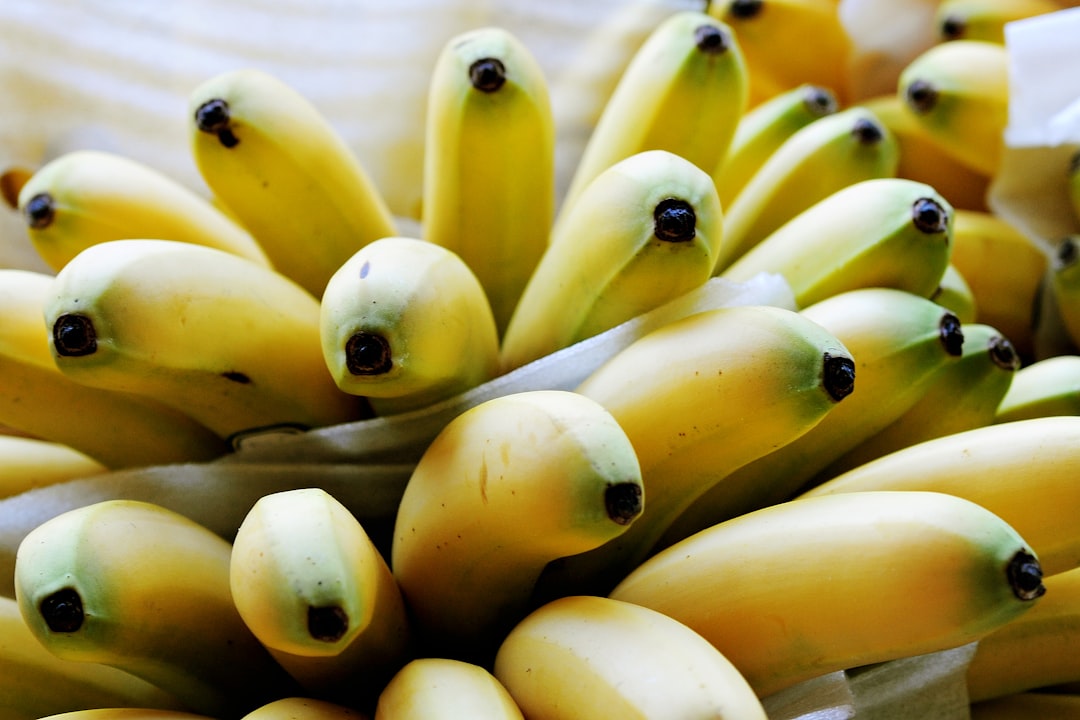
- 2. Potassium is your friend — but check first: Foods like bananas, sweet potatoes, spinach, and white beans help counterbalance sodium’s effects. However, if the patient has chronic kidney disease (common in elderly), high potassium can be dangerous — always verify with a physician.
- 3. Hydration as a blood pressure tool: Aim for 6–8 cups of water daily. Herbal teas like hibiscus tea have shown mild antihypertensive effects in small clinical trials (reduction of ~7 mmHg systolic in one 2010 study).
- 4. Protect protein intake: Don’t cut meat entirely. Lean proteins — tofu, fish, skinless poultry, legumes — support muscle maintenance. The recommended intake for seniors is 1.0–1.2g of protein per kg of body weight daily.
- 5. Shrink sodium gradually: The palate adapts. Research shows that reducing salt intake by 25% every 2–3 weeks allows taste receptors to recalibrate without the psychological shock of sudden bland food.
- 6. Watch hidden sodium: Bread, canned soups, pickled vegetables, and instant seasonings are stealth sodium sources. Reading labels becomes a non-negotiable habit — even for “healthy-seeming” products.
- 7. Mediterranean-style fat upgrades: Replace saturated fats (butter, fatty meats) with olive oil, avocado, and omega-3-rich fatty fish (mackerel, sardines, salmon). The PREDIMED trial showed Mediterranean diet adherence reduced cardiovascular events by 30% in high-risk adults.
Realistic Alternatives When Strict Dieting Isn’t Feasible
Here’s the honest conversation most health articles skip: perfect dietary compliance is rare in elderly patients, especially those living alone, dealing with cognitive changes, or relying on caregivers who cook “the old way.” So let’s think about tiered realism:
If full DASH diet adoption is unrealistic, start with the single highest-impact change: sodium reduction. Even dropping to 2,500 mg/day (from a typical 4,000+ mg) produces measurable results without overhauling the entire diet.
If cooking fresh daily is impossible, invest in one batch-cooking session per week. Pre-prepared low-sodium banchan (Korean side dishes) or portioned freezer meals make daily execution manageable.
If family resistance exists — because the whole household eats together — advocate for “shared reduction”: everyone’s food gets slightly less salt. Families rarely notice a 20% reduction, and over months, the entire household benefits.
And if appetite is the primary concern, prioritize nutrient density over restriction. A small portion of slightly saltier homemade stew is far healthier than a full bowl of nutrient-poor plain rice eaten grudgingly.
Editor’s Comment : Managing hypertension in older adults is genuinely one of the most nuanced areas of lifestyle medicine — because the stakes are high on both ends. Too aggressive, and you risk malnutrition, muscle loss, or the kind of dietary misery that makes people stop trying altogether. Too lax, and cardiovascular risk climbs quietly. The sweet spot lives in personalization, gradual change, and keeping the joy in food wherever possible. If you take one thing from this: don’t hand your elderly parent (or yourself) a long list of prohibitions. Instead, pick two or three swaps, build the habit over a month, and then layer in the next change. Progress built on small wins lasts far longer than perfection that collapses under the weight of real life.
태그: [‘hypertension diet elderly’, ‘high blood pressure senior nutrition’, ‘DASH diet over 65’, ‘low sodium diet tips’, ‘elderly cardiovascular health’, ‘blood pressure management seniors’, ‘healthy aging diet’]