A colleague of mine — a mid-career software engineer in Austin — called me last month with a familiar kind of panic. He’d been watching gold prices climb, oil fluctuating wildly after a series of OPEC+ surprises, and agricultural commodities spiking due to climate disruptions across Southeast Asia. “I know commodities are the play right now,” he said, “but every ETF looks the same to me. How do I even pick?”
I’ve heard this story a dozen times in 2026, and honestly, it’s a fair confusion to have. The US commodity ETF market has expanded dramatically — there are now over 80+ commodity-focused ETFs trading on major US exchanges, and the performance gaps between them are staggering. We’re talking the difference between a 4% annual return and a 28% return, sometimes in the same macro environment. So let’s think through this together — logically, category by category.

🏅 Precious Metals ETFs: The Defensive Anchor
Gold and silver ETFs remain the most widely held commodity instruments among retail investors, and for good reason. In 2026, with geopolitical tension in Eastern Europe still simmering and central banks continuing their gold reserve buildup (China and India leading the charge), precious metals ETFs have held relatively strong.
- SPDR Gold Shares (GLD) — The grandfather of gold ETFs. YTD return through Q1 2026: approximately +11.4%. Tracks the spot price of gold directly. Low expense ratio (0.40%). Great for capital preservation, not explosive growth.
- iShares Silver Trust (SLV) — Silver has dual utility: safe haven AND industrial metal (think solar panels, EVs). 2026 YTD: +16.2%. More volatile than gold but catching a tailwind from green energy demand.
- Aberdeen Physical Precious Metals Basket ETF (GLTR) — Diversifies across gold, silver, platinum, and palladium. A smoothed ride. 2026 YTD: +9.8%. Lower ceiling, but also lower drama.
The key insight here: precious metals ETFs shine when uncertainty rises. If you’re using these as a hedge rather than a growth engine, GLD and SLV are doing exactly what they’re supposed to do in 2026.
⛽ Energy Commodity ETFs: High Risk, High Reward (With a Catch)
Energy ETFs are where things get complicated — and where a lot of new investors get burned. There’s a concept called contango (when futures prices are higher than spot prices, eroding returns over time) that absolutely destroys the performance of some energy ETFs, even when oil prices are rising.
- United States Oil Fund (USO) — The most popular oil ETF, but notorious for contango drag. Despite WTI crude rising roughly 12% in value over the past year, USO has delivered closer to +6.1% YTD in 2026. The gap is the contango tax.
- ProShares K-1 Free Crude Oil ETF (OILK) — Designed to minimize the K-1 tax form headache and reduce contango drag. 2026 YTD: +8.7%. Better efficiency for buy-and-hold investors.
- Invesco DB Energy Fund (DBE) — Covers a basket: crude oil, heating oil, gasoline, natural gas, Brent crude. More diversified energy exposure. 2026 YTD: +10.3%. Natural gas has been a quiet winner this year due to European LNG demand.
My honest take? If you want energy exposure without the futures complexity, consider energy sector equity ETFs (like XLE) as an alternative — they capture commodity price movements through company earnings without the futures roll cost.
🌾 Agricultural Commodity ETFs: The Underrated Volatility Play
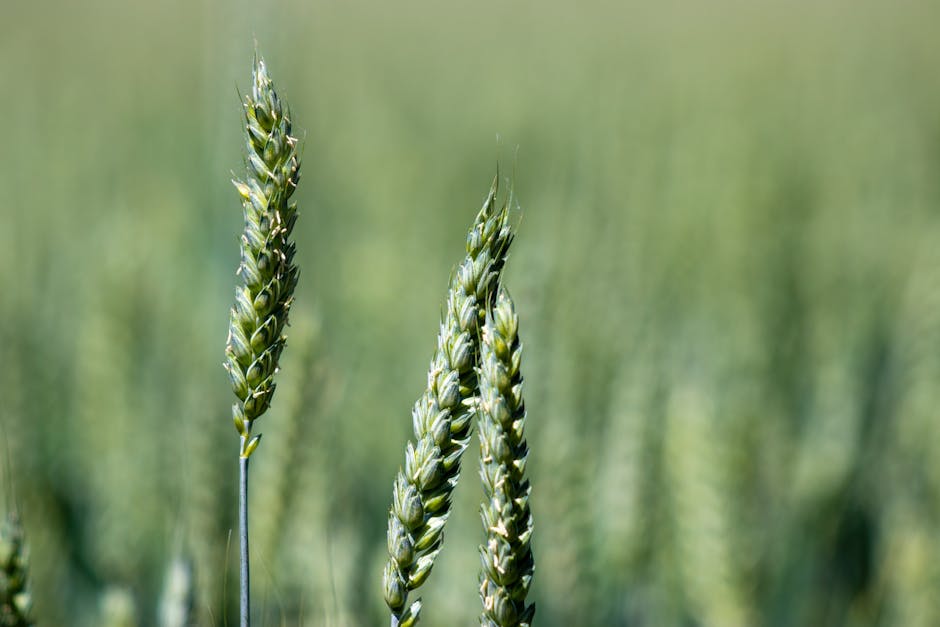
2026 has been a fascinating year for agricultural commodities. El Niño patterns disrupted wheat and corn harvests across multiple continents, and the USDA’s crop reports have been moving markets in ways we haven’t seen since 2012. Agricultural ETFs are inherently more speculative but can deliver outsized short-term gains.
- Invesco DB Agriculture Fund (DBA) — Covers corn, wheat, soybeans, sugar, coffee, cocoa, live cattle, and more. This broad basket has been a standout in 2026: +19.6% YTD. Weather-driven supply shocks are doing the heavy lifting.
- Teucrium Wheat Fund (WEAT) — Single-commodity, pure wheat exposure. If you have a strong thesis on wheat (and the Black Sea supply routes situation gives reason to), this is your vehicle. 2026 YTD: +28.1% — but the volatility is stomach-churning. Daily swings of 3-5% are normal.
- iPath Bloomberg Grains Subindex Total Return ETN (JJG) — A grains-focused ETN (exchange-traded note, slightly different structure from ETF — carries issuer credit risk). 2026 YTD: +22.4%.
🪨 Broad Commodity & Industrial Metals ETFs: The Balanced Approach
For investors who don’t want to bet on a single commodity, broad-basket funds and industrial metals ETFs offer a more measured exposure.
- Invesco DB Commodity Index Tracking Fund (DBC) — One of the most popular broad commodity ETFs. Covers energy, metals, and agriculture. 2026 YTD: +13.2%. A solid one-stop commodity allocation.
- iShares S&P GSCI Commodity-Indexed Trust (GSG) — Heavily weighted toward energy (~60%). Tracks the Goldman Sachs Commodity Index. 2026 YTD: +10.8%.
- Sprott Physical Uranium Trust (SRUUF) — Uranium isn’t always classified as a traditional commodity ETF, but it’s worth mentioning. Nuclear energy’s renaissance in 2026 has pushed uranium up dramatically. YTD: +31.7%. High conviction, high risk.
📊 Side-by-Side Comparison: 2026 YTD Performance Snapshot
Let’s lay it out clearly:
- GLD (Gold): +11.4%
- SLV (Silver): +16.2%
- USO (Oil/Crude): +6.1%
- DBE (Energy Basket): +10.3%
- DBA (Agriculture Basket): +19.6%
- WEAT (Wheat): +28.1%
- DBC (Broad Commodity): +13.2%
- SRUUF (Uranium): +31.7%
The spread tells a story: the highest returns in 2026 are coming from supply-disrupted, story-driven commodities (wheat, uranium) while the lowest are coming from futures-structure-disadvantaged products (USO). This is not just about commodity prices — it’s about how the ETF accesses those prices.
🌍 How International Investors Are Approaching US Commodity ETFs
Interestingly, South Korean and Japanese retail investors have been significant buyers of US commodity ETFs in 2026, particularly DBA and GLD, as a hedge against their currencies’ weakness relative to the dollar. Korean brokerages like Mirae Asset and Kiwoom Securities report that DBC and DBA inflows from Korean retail investors have roughly doubled compared to 2024 levels. In Europe, German and French institutional funds have been rotating into precious metals ETFs as ECB policy remains uncertain. The global appetite for US commodity ETFs as a dollar-denominated safe haven and growth vehicle is genuinely at a multi-year high.
⚠️ Realistic Alternatives: When Commodity ETFs Might Not Be Your Answer
Here’s where I want to be honest with you. Commodity ETFs carry some structural quirks that make them genuinely different from stock ETFs:
- Futures roll cost: Energy ETFs especially suffer from this. If you’re a long-term holder (5+ years), the drag can be significant.
- Tax complexity: Some commodity ETFs generate K-1 forms instead of 1099s, which complicates tax filing.
- Volatility: A single-commodity ETF like WEAT can lose 20% as fast as it gained it.
Realistic alternatives to consider:
- Commodity producer equity ETFs (e.g., GDX for gold miners, XLE for energy companies) — you get commodity exposure through company earnings, with cleaner tax treatment and dividends.
- Balanced allocation: Limit commodity ETFs to 5-15% of your total portfolio. They’re seasonings, not the main course.
- DCA (Dollar Cost Averaging) approach: Given the volatility, putting in a fixed amount monthly rather than a lump sum dramatically reduces timing risk.
For my Austin friend, I recommended a simple split: 60% DBC for broad exposure, 25% SLV for the green energy tailwind, and 15% GLD as a pure safe haven. Nothing exotic. Nothing that requires checking your phone every 20 minutes.
Editor’s Comment : The commodity ETF landscape in 2026 rewards investors who understand structure as much as direction. Knowing that oil is going up doesn’t automatically mean USO will reward you — the how matters as much as the what. Start with a broad-basket fund like DBC, layer in a specific thesis only when you’ve done the homework, and always size these positions with the understanding that commodities are cyclical by nature. The best commodity ETF isn’t the one with the highest recent return — it’s the one that fits your risk tolerance, time horizon, and tax situation. Think first, allocate second.
태그: [‘commodity ETF 2026’, ‘US commodity ETF returns’, ‘gold silver ETF comparison’, ‘DBA DBC ETF performance’, ‘agricultural commodity ETF 2026’, ‘energy ETF contango risk’, ‘best commodity ETF to buy’]