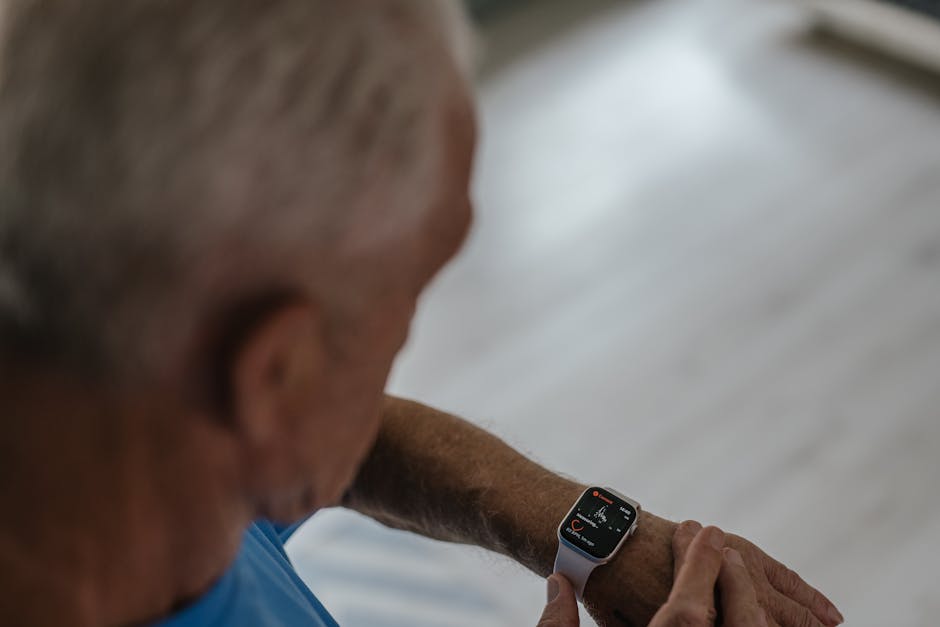
A few months back, I was visiting my uncle — a sharp-minded 74-year-old who’s been a high school principal for 30 years — and he pulled out what looked like a sleek smartwatch and said, “This thing told me my heart was out of rhythm before I even felt anything.” He’d caught early-stage atrial fibrillation thanks to a wearable device, and his cardiologist confirmed it within days. That moment kind of crystallized something for me: senior health management in 2026 isn’t just about eating right and walking 10,000 steps anymore. It’s a completely different game now, and a lot of older adults — and their families — are either not keeping up or drowning in conflicting advice.
So let’s unpack what’s actually working in 2026 for managing senior health, with real data, research-backed strategies, and some practical tools you can start using this week.
The State of Senior Health in 2026: Why This Year Feels Different
Here’s the big picture first. According to the WHO’s Global Report on Ageing and Health 2026 Update, the global population aged 65 and over is now estimated at 1.1 billion — up from 727 million in 2020. In South Korea specifically, the elderly population crossed the 20% threshold in 2025, officially making it a “super-aged society” by international standards. The U.S. isn’t far behind, with the CDC reporting that by 2026, adults over 65 make up roughly 17.4% of the total population.
What does that mean practically? Healthcare systems are under enormous strain, and personalized, home-based, and technology-assisted senior care is no longer optional — it’s becoming the standard. Hospitalization costs for seniors in the U.S. averaged $14,700 per stay in 2025 (Kaiser Family Foundation data), which is pushing families and policymakers hard toward preventive care rather than reactive treatment.
The 5 Pillars of Senior Health Management That Actually Hold Up in 2026
Think of senior health management like a five-legged stool. Pull one leg out, and the whole thing gets wobbly. Here are the five pillars that research keeps reinforcing:
- Cardiovascular Health Monitoring: Blood pressure, resting heart rate, and heart rhythm tracking. Wearables like the Apple Watch Series 10 and Garmin Venu 3 now offer FDA-cleared ECG features specifically validated for older adults.
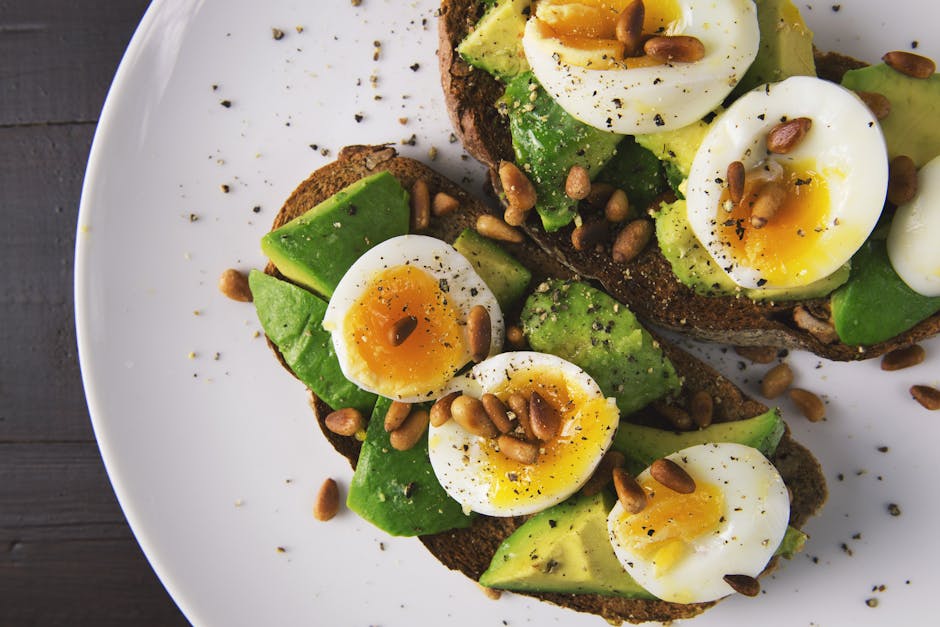
- Nutritional Management: Protein intake becomes critically important after 65 — research from the American Journal of Clinical Nutrition (2025) suggests seniors need 1.2–1.6g of protein per kg of body weight daily to prevent sarcopenia (age-related muscle loss), which is significantly higher than older guidelines.
- Cognitive Stimulation: The Lancet’s 2025 dementia commission updated their prevention list, and social engagement + “dual-task training” (doing a physical task while solving mental problems simultaneously) showed a 22% reduction in dementia onset risk.
- Fall Prevention & Mobility: Falls remain the #1 cause of injury-related death in adults over 65. Balance training programs using platforms like Nintendo Switch Sports or dedicated physical therapy apps (Hinge Health, for example) have shown measurable reduction in fall incidence.
- Mental Health & Social Connection: The U.S. Surgeon General’s 2025 advisory on loneliness explicitly named social isolation as equivalent to smoking 15 cigarettes a day in terms of health risk. This isn’t fluffy stuff — it’s hard data.
Technology-Assisted Care: The Real Tools Making a Difference
Let me be honest here — a lot of “senior tech” is gimmicky and overcomplicated. The stuff that’s actually gaining traction in 2026 is technology that’s invisible until it matters. Here’s what’s worth paying attention to:
Remote Patient Monitoring (RPM) Platforms: Companies like Current Health (acquired by Best Buy Health) and Withings are now offering end-to-end RPM kits — blood pressure cuffs, pulse oximeters, smart scales — that sync directly with a family physician’s dashboard. Medicare in the U.S. expanded RPM reimbursement codes in 2025, which means many seniors can get these setups covered.
AI-Powered Medication Management: Apps like Hero Health and Medisafe now use machine learning to predict when a senior is likely to skip doses based on patterns and send proactive reminders. The global medication adherence rate among seniors sits at around 50% (WHO, 2024 estimate still cited in 2026 guidelines) — this is genuinely dangerous for conditions like hypertension or diabetes.
Voice-First Interfaces: Amazon Echo’s “Alexa Together” program and similar services allow family members to remotely check in, set medication reminders, and even detect unusual silence patterns that might indicate a fall. It’s not perfect, but for seniors who find touchscreens frustrating, voice is a real accessibility win.
Nutrition Strategies That Are Evolving in 2026
Nutrition science for seniors has shifted meaningfully. The old food pyramid advice is essentially retired. Here’s what the research community is emphasizing now:
- Anti-inflammatory diets: The Mediterranean and MIND (Mediterranean-DASH Intervention for Neurodegenerative Delay) diets remain the gold standard, with multiple 2025 meta-analyses confirming their association with reduced cognitive decline.
- Protein timing: Spreading protein intake across meals (rather than loading it at dinner) is now recommended for maximizing muscle protein synthesis in older adults.
- Gut microbiome support: Fermented foods (kimchi, kefir, yogurt) and prebiotic fiber are getting serious clinical attention, especially for immune function in seniors. A 2025 Stanford study found measurable immune response improvements in adults over 70 after 10 weeks of fermented food-rich diets.
- Vitamin D and K2 synergy: Supplementation guidelines now commonly recommend Vitamin D3 paired with K2 to support calcium absorption and reduce arterial calcification risk — something that was barely mainstream five years ago.
- Hydration monitoring: Seniors lose the thirst sensation as they age. Smart water bottles (HidrateSpark, for example) and hydration reminders built into fitness trackers are genuinely useful here.
What the Research Says About Exercise — And It’s More Nuanced Than You Think
“Exercise is good” is so obvious it barely deserves saying. But what kind, how much, and at what intensity for seniors in 2026? That’s where it gets interesting.
The American College of Sports Medicine’s 2026 guidelines updated their recommendations for adults over 65 to include:
- 150–300 minutes of moderate aerobic activity weekly (unchanged)
- Resistance training at least 2x per week — this is non-negotiable for sarcopenia prevention
- Balance and flexibility work 3x per week — Tai Chi specifically has 2026 clinical endorsements from the American Geriatrics Society for fall prevention
- High-intensity interval training (HIIT) in modified forms — short bursts of effort followed by rest, even in chair-based formats, showed meaningful cardiovascular benefit in studies published in the Journal of Gerontology in late 2025
The key takeaway? Variety matters more than volume. A senior doing only walking — while better than nothing — is missing resistance and balance components that walking alone can’t provide.
Mental Health and Cognitive Health: The Underserved Frontier
Here’s something I don’t think gets enough airtime: mental health care for seniors is severely underfunded and underutilized. The American Psychological Association noted in 2025 that only 38% of seniors with diagnosable depression receive any form of treatment. Stigma, access issues, and the misguided belief that “feeling low is just part of aging” are all contributing factors.
In 2026, some of the most promising interventions include:
- Telehealth therapy: Platforms like Teladoc and BetterHelp now have senior-specialized therapists, and Medicare’s expanded telehealth coverage makes these sessions more accessible than ever.
- Reminiscence therapy: A structured approach where seniors discuss past memories — shown to reduce depression scores meaningfully in several 2024–2025 RCTs.
- Intergenerational programs: Programs pairing seniors with younger volunteers or students (common in Japan’s “Silver Human Resources Centers” and now being adapted in the U.S. and Europe) have shown remarkable mental health benefits for both groups.
- Brain training with caveats: Apps like Lumosity and BrainHQ have been controversial, but 2025 meta-analyses suggest transfer effects (actually improving daily cognitive function) are real, if modest, when training is consistent over 6+ months.
Real-World Case Studies: What’s Working Globally
Japan’s “Age-Friendly City” Model: Japan, with the world’s oldest population, has been running community-based integrated care programs (“chiiki houkatsu care”) that combine medical, nursing, preventive care, and social support. Studies tracking these programs show reduced hospital readmission rates of 18–25% among participating seniors.
South Korea’s Digital Senior Care Expansion: Following its super-aged society designation in 2025, South Korea’s Ministry of Health launched a national AI-assisted health monitoring program targeting low-income seniors living alone. Early 2026 data shows a 31% reduction in emergency room visits among participants compared to control groups.
Finland’s “Senior Move” Program: A multi-component exercise and nutrition intervention targeting 70–80 year olds, published in JAMA in 2025, demonstrated that participants who completed the 2-year program had significantly better functional independence scores — meaning they could perform daily activities without assistance for longer.
Realistic Alternatives If Full Programs Feel Overwhelming
Look — not every senior has access to cutting-edge technology, premium healthcare, or structured programs. And not every family has the bandwidth to manage a complex care plan. That’s real, and it’s important to acknowledge. Here’s where to start if resources are limited:
- Start with one pillar: Pick the most urgent need (fall risk? nutrition? social isolation?) and address that before trying to overhaul everything at once.
- Free resources: The National Institute on Aging (nia.nih.gov) has free, evidence-based exercise guides specifically designed for seniors, including chair-based routines.
- Community centers: Many local senior centers now offer free or low-cost fitness classes, nutrition counseling, and social programs. These are massively underutilized.
- Basic wearables: You don’t need an Apple Watch. A $30 pedometer and a blood pressure cuff from a pharmacy, combined with a simple log, can provide meaningful health data.
- Family check-in routines: A daily or weekly video call has measurable mental health benefits. Consistency matters more than duration.
Wrapping It Up: Senior Health in 2026 Is Proactive, Not Reactive
The shift happening right now in senior health management is from a “respond when something goes wrong” model to a “monitor, prevent, and adapt” model. Technology is enabling this, but it only works when the foundational five pillars — cardiovascular health, nutrition, cognitive stimulation, mobility, and mental health — are all getting attention.
My uncle catching his AFib early wasn’t magic. It was the result of a family culture that normalized health monitoring, a doctor who recommended a wearable, and a man who was curious enough to pay attention. That’s a replicable model for almost anyone.
If you’re a senior, a caregiver, or just someone planning ahead — the single best thing you can do in 2026 is start tracking. Not obsessively, but intentionally. What gets measured gets managed, and for senior health, that’s never been truer.
Editor’s Comment : After spending years writing about health topics, what strikes me most about senior care in 2026 is that the gap between what the research supports and what most people actually do remains stubbornly wide. The tools exist, the evidence is there, and access is improving — but habits are hard to change and stigma is real. The most impactful thing I’d suggest isn’t buying a fancy gadget or following a complex diet protocol. It’s having one honest conversation — with a parent, a spouse, yourself — about which of those five pillars is most neglected right now. Start there. The rest tends to follow.
📚 관련된 다른 글도 읽어 보세요
- 정규식 테스터: 복잡한 정규 표현식도 실시간으로 완벽하게 검증하세요!
- Sarcopenia in Seniors: The Best Strength Training Methods to Prevent Muscle Loss in 2026
- How to Invest in BlackRock’s Bitcoin ETF in 2026: A Step-by-Step Guide for Smart Investors
태그: senior health management 2026, elderly care tips, aging well, fall prevention seniors, senior nutrition, cognitive health elderly, wearable health technology seniors