Picture this: Margaret, a 74-year-old retired schoolteacher, sits at her kitchen table staring at three different diet sheets — one from her cardiologist, one from her endocrinologist, and one from her nephrologist. Each one says something slightly different. Low sodium? Yes. Low sugar? Absolutely. But also low potassium? Now her beloved banana smoothie is suddenly complicated. Sound familiar?
Managing chronic conditions in older adults isn’t just about cutting things out — it’s about building a sustainable, enjoyable eating pattern that actually works in real daily life. In 2026, we have more nutritional research at our fingertips than ever before, and today we’re going to think through this together — practically, logically, and with real food in mind.
Why Chronic Disease Nutrition for Seniors Is Uniquely Complex
Here’s the thing most general diet guides miss: older adults managing chronic illness aren’t just dealing with one condition. According to the CDC’s 2025 aging health report, approximately 67% of adults aged 65 and older have two or more chronic conditions simultaneously — a phenomenon clinicians call multimorbidity. The most common combinations include:
- Hypertension + Type 2 Diabetes: Affects roughly 40% of seniors over 70
- Heart Disease + Dyslipidemia (high cholesterol): Requires careful fat quality management
- Chronic Kidney Disease (CKD) + Diabetes: Creates significant dietary tension around protein and potassium
- Osteoporosis + Cardiovascular Disease: Calcium and vitamin D needs clash with certain medication interactions
Each condition has its own nutritional protocol. When they overlap, the dietary math gets genuinely tricky — and that’s exactly why a one-size-fits-all “senior diet” recommendation can actually do more harm than good.

The Core Nutritional Framework: What the Latest Research Tells Us
Rather than chasing a single “superfood,” the most current evidence — including updated guidelines from the American Dietetic Association (2025) and South Korea’s National Institute of Health chronic disease nutrition protocols — points toward a pattern-based approach. Think of it less like a rulebook and more like a dietary philosophy with flexible room for individual needs.
Here’s how we’d break down the evidence-backed framework for seniors managing chronic disease in 2026:
1. The Modified Mediterranean-DASH Hybrid (MedDASH) — Still the Gold Standard
The MIND diet (Mediterranean-DASH Intervention for Neurodegenerative Delay) continues to dominate clinical nutrition research for aging populations. A large-scale 2025 meta-analysis published in The Lancet Healthy Longevity confirmed that adherence to MedDASH-style eating reduced cardiovascular events in seniors by 22–28% compared to standard Western diets, even in those with pre-existing diabetes.
Practically speaking, this looks like:
- Olive oil as the primary fat source (2–3 tbsp/day) — rich in oleocanthal, a natural anti-inflammatory
- Fatty fish (salmon, mackerel, sardines) at least twice weekly for omega-3s and lean protein
- Leafy greens daily — spinach, kale, arugula — especially important for folate and vitamin K
- Whole grains over refined carbs: oats, brown rice, barley — they slow glucose absorption significantly
- Legumes (lentils, chickpeas, black beans) 4–5 times per week — protein-rich, affordable, and gentle on blood sugar
- Berries — blueberries and strawberries rank highest for anthocyanin content, which supports vascular health
- Nuts (walnuts, almonds) — a small handful daily, mindful of calorie density for those managing weight
2. Sodium Management — More Nuanced Than Just “Eat Less Salt”
Standard advice says: keep sodium under 2,300mg/day (or 1,500mg for those with hypertension). That’s still valid. But in 2026, the conversation has evolved. Research from Seoul National University Hospital’s geriatric nutrition division (2025) highlighted that severely restricting sodium in seniors over 75 with multiple medications can actually increase fall risk due to hyponatremia (abnormally low sodium levels).
The practical takeaway? Aim for the 1,800–2,000mg sweet spot for most seniors with hypertension, rather than the aggressive 1,500mg floor — unless specifically directed by a physician. Swap processed food sodium for cooking-integrated herbs: rosemary, thyme, garlic, turmeric. These deliver flavor complexity while offering genuine anti-inflammatory benefits.
3. Protein — The Underrated Priority
Here’s something that surprises many people: seniors actually need more protein per kilogram of body weight than younger adults, not less. Sarcopenia (age-related muscle loss) accelerates dramatically after 70, and insufficient protein intake is one of the key accelerants. Current recommendations for older adults with chronic disease sit at 1.0–1.2g of protein per kilogram of body weight per day — higher than the general adult standard of 0.8g/kg.
The exception, as always, is CKD patients — where protein must be carefully moderated in coordination with a nephrologist. For everyone else, think: eggs at breakfast, Greek yogurt as a snack, legumes at lunch, fish at dinner.
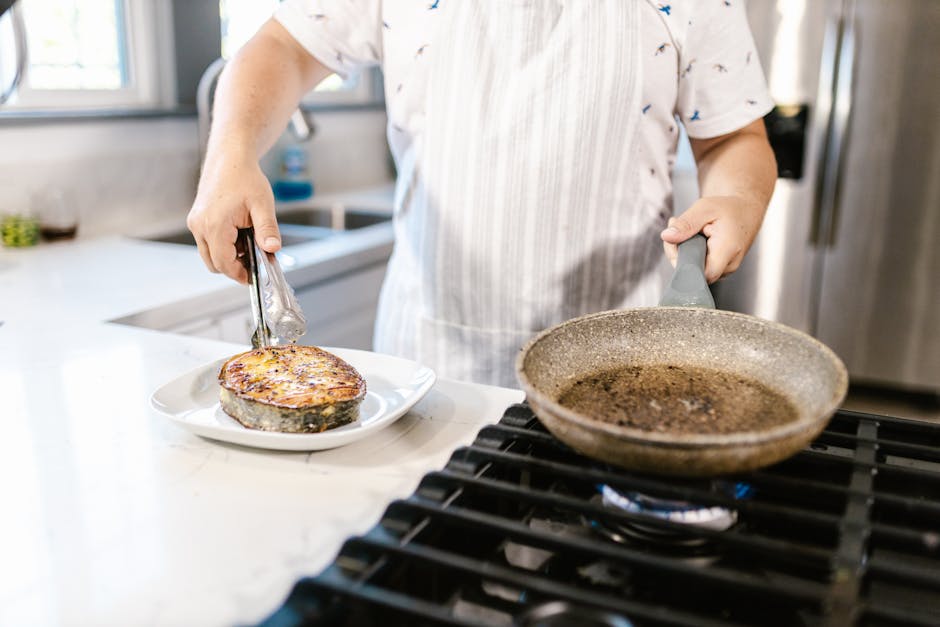
Real-World Examples: How It Looks in Practice
Let’s look at two different countries doing interesting things with senior nutrition in 2026:
South Korea’s “Silver Meal” Community Program (2026): The Korean Ministry of Health and Welfare expanded its community meal delivery program for seniors this year, integrating chronic disease-specific menu tracks. Seniors registered with hypertension receive low-sodium kimchi (naturally fermented, probiotic-rich) and doenjang (fermented soybean paste) soups with reduced salt — preserving cultural food identity while hitting nutritional targets. This culturally-tailored approach showed a 15% improvement in dietary adherence compared to generic Western-style therapeutic meals in pilot studies.
Mediterranean Retirement Communities in Spain: Longitudinal studies tracking seniors in Barcelona’s integrated care facilities show that those eating traditional Catalan diets — heavy on legumes, olive oil, seasonal vegetables, and modest portions of seafood — maintain better glycemic control into their 80s compared to peers following standard hospital-issued diabetic diets. The key? Eating is treated as a social, enjoyable act, not a medical obligation.
The lesson here is significant: dietary adherence collapses when food stops feeling like food. Sustainability requires pleasure.
Realistic Alternatives for Common Dietary Challenges
Let’s be honest — not everyone can or wants to cook elaborate meals from scratch. Here are practical swaps that maintain nutritional integrity:
- Can’t afford fresh salmon regularly? → Canned sardines or mackerel in water are equally rich in omega-3s at a fraction of the cost
- Struggling with high-potassium restrictions (CKD)? → Leaching vegetables (soaking cut vegetables in water for 2+ hours, then draining) significantly reduces potassium content
- Hate the texture of whole grains? → Try sourdough rye bread or overnight oats — the fermentation process improves digestibility and reduces glycemic impact
- Living alone and cooking feels overwhelming? → Batch-cook a large pot of lentil soup or vegetable stew on Sundays; portion and freeze for the week
- Medication makes food taste metallic or bland? → Lemon juice, apple cider vinegar, and fresh herbs can restore flavor perception without adding sodium
- Dental issues making raw vegetables difficult? → Steam or slow-roast vegetables; the nutrient loss is minimal and texture becomes far more manageable
Supplements: Where They Help and Where They Don’t
A quick note on supplements, since many seniors managing chronic conditions end up taking several. In 2026, the evidence strongly supports:
- Vitamin D3 + K2 (combined form): Especially for those with osteoporosis and limited sun exposure — K2 helps direct calcium to bones rather than arteries
- Magnesium glycinate: Supports blood pressure regulation and sleep quality; often depleted by diabetes medications like metformin
- Omega-3 fish oil concentrate: Useful if dietary fish intake is consistently low, particularly for cardiovascular protection
What the evidence does not support for most seniors: megadosing antioxidant vitamins (C, E), calcium supplements without K2, and proprietary “anti-aging” blends with unverified ingredient interactions. Always loop in a pharmacist to check supplement-medication interactions — this is genuinely important territory.
Managing chronic disease through diet in your 60s, 70s, and beyond isn’t about deprivation. It’s about becoming a thoughtful, informed eater who knows why each food choice matters — and then building a version of that knowledge that fits your life, your culture, your budget, and your taste buds. There’s real flexibility in that space, even within medical constraints.
Start small. Pick one swap this week — maybe swapping white rice for barley two nights, or adding a handful of walnuts to your morning routine. Build from there. The research is on your side, and so is your own curiosity.
Editor’s Comment : The most important thing I want you to take away from this piece is that dietary management for chronic illness is a conversation, not a decree. If your current diet sheets feel contradictory or impossible, bring them all to your primary care physician or a registered dietitian who specializes in geriatric nutrition — because in 2026, we finally have the integrative tools to reconcile most of those conflicts. Your plate should still bring you joy. That’s not a luxury; it’s part of the medicine.
📚 관련된 다른 글도 읽어 보세요
- How to Cut Taxes on Overseas Commodity ETFs: Smart Tax-Saving Strategies for 2026
- 2026 인플레이션 헤지, 원자재 ETF로 포트폴리오를 지켜야 할 이유
- 노인 근감소증 예방, 단백질 섭취가 답이다 — 2026년 최신 가이드
태그: [‘senior chronic disease diet 2026’, ‘elderly nutrition management’, ‘Mediterranean DASH diet seniors’, ‘multimorbidity meal planning’, ‘hypertension diabetes diet elderly’, ‘senior healthy eating guide’, ‘aging chronic illness nutrition’]