Picture this: it’s early 2026, and your friend from the U.S. casually mentions he’s been dollar-cost averaging into a Bitcoin ETF through his regular brokerage account — tax-advantaged, regulated, no crypto wallet headaches. Meanwhile, you’re sitting in Seoul, wondering why the same straightforward access feels like it’s still stuck behind a bureaucratic wall. If that scenario sounds frustratingly familiar, you’re definitely not alone, and today we’re going to think through exactly where things stand — and what you can realistically do about it.

Where South Korea’s Bitcoin ETF Approval Process Actually Stands in 2026
As of April 2026, South Korea has not yet launched a domestically listed spot Bitcoin ETF for retail investors. The Financial Services Commission (FSC) and the Financial Supervisory Service (FSS) have maintained a cautious regulatory stance, rooted in the Special Financial Information Act (특정 금융거래정보의 보고 및 이용 등에 관한 법률) — commonly called the “Special Act” — which continues to impose strict constraints on how crypto assets can be packaged into traditional financial instruments.
However, the landscape in 2026 is meaningfully different from just two years ago. Here’s what’s shifted:
- Institutional appetite is undeniable: Korean asset managers like Mirae Asset, Samsung Asset Management, and KB Asset Management have all filed exploratory proposals or expressed public intent to launch Bitcoin ETF products once regulatory green lights appear.
- The FSC’s tone has softened: After years of outright resistance, the FSC published a revised digital asset policy roadmap in late 2025 signaling a phased approach — starting with institutional-only crypto ETF pilots before broader retail access.
- Overseas ETF access remains a workaround: Korean retail investors can currently purchase U.S.-listed spot Bitcoin ETFs (like BlackRock’s IBIT or Fidelity’s FBTC) through overseas brokerage accounts such as Kiwoom Securities’ global platform or directly via Interactive Brokers — legally, but with foreign exchange and tax reporting obligations.
- A proposed “sandbox” framework: The Korea Financial Investment Association (KOFIA) has been actively lobbying for a regulatory sandbox that would allow at least one domestic spot Bitcoin ETF to trade on the KRX (Korea Exchange) by Q3 or Q4 of 2026 — though this is not yet confirmed.
Why Is Korea Moving So Cautiously? A Logical Breakdown
Let’s think through this together, because the delay isn’t just bureaucratic stubbornness — there are genuine structural reasons behind it.
First, Korea experienced the dramatic collapse of the Terra/LUNA ecosystem in 2022, which devastated hundreds of thousands of Korean retail investors. Regulatory PTSD from that event is very real inside the FSC. Second, Korea’s retail investor base is historically aggressive — the “동학개미운동” (Donghak Ant Movement) demonstrated how quickly Korean retail can move in concentrated directions, and regulators worry that a Bitcoin ETF could amplify volatility risks. Third, there’s the tax infrastructure gap: Korea’s crypto capital gains tax system, which kicked in progressively through 2024-2025, is still being operationally stress-tested, and regulators want the reporting infrastructure to be airtight before layering an ETF structure on top.
International Comparison: How Far Behind Is Korea Really?
Context matters enormously here. The U.S. launched its spot Bitcoin ETFs in January 2024, and by mid-2026, those funds collectively manage well over $120 billion in AUM. Hong Kong approved spot Bitcoin and Ethereum ETFs in April 2024, specifically positioning itself as the crypto-financial hub for the Asia-Pacific region. Australia followed with its own spot Bitcoin ETF listings by late 2024. Even Thailand’s SEC approved a Bitcoin ETF framework in 2025.
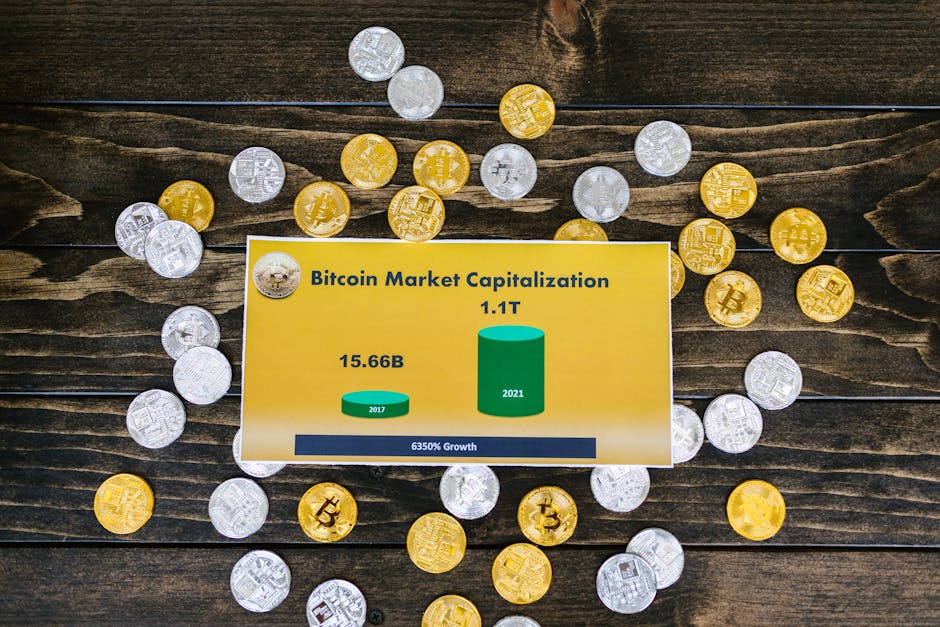
Korea, by contrast, remains one of the only major developed financial markets in the Asia-Pacific region without a domestically listed spot crypto ETF — despite hosting some of the world’s highest per-capita crypto trading volumes. The irony is sharp: Koreans trade more Bitcoin per capita than almost anyone, yet lack the most conventional regulated vehicle to do so.
Realistic Alternatives for Korean Investors Right Now
So if you’re a Korean investor who wants Bitcoin exposure in a structured, manageable way in 2026, here’s how to think through your actual options:
- Overseas brokerage account (해외 증권계좌): Open an account with a Korean brokerage that offers global trading (Kiwoom, Mirae Asset, Korea Investment Securities all offer this). You can then buy IBIT, FBTC, or ARKB on U.S. exchanges. Key caveat: you need to file foreign financial account reports if holdings exceed ₩500 million, and capital gains are taxed as foreign investment income at your marginal rate.
- Bitcoin futures-linked products: Some Korean ELS (Equity-Linked Securities) and structured notes already reference Bitcoin futures indices. These are available through private banking channels at major banks like KB, Shinhan, and Hana — though they come with fees and complexity.
- Domestic crypto exchanges (업비트, 빗썸): Direct spot buying on regulated VASP (Virtual Asset Service Provider) exchanges remains fully legal and is the most straightforward route — just without the ETF wrapper’s convenience or tax advantages.
- Wait for the institutional pilot: If the KOFIA sandbox proposal moves forward, an institutional Bitcoin ETF listed on KRX could emerge by late 2026. Retail access might follow 6-12 months after that. Patience here isn’t passive — it’s strategic.
What Should You Actually Do?
Here’s my honest take: don’t wait for perfect conditions that may still be 12-18 months away. If your goal is regulated, accessible Bitcoin exposure today, opening an overseas brokerage account and investing in an established U.S. spot Bitcoin ETF is genuinely the most practical path. Yes, there are FX and tax reporting steps — but those are manageable with basic preparation, and the product quality (low fees, deep liquidity, regulated custody) is excellent. If you prefer to stay entirely domestic, direct exchange-based spot buying through Upbit or Bithumb with a disciplined DCA strategy is still a completely legitimate approach.
The domestic ETF will likely come — the regulatory signals in 2026 are more optimistic than they’ve ever been. But building your financial future around a timeline that regulators control is never a winning strategy.
Editor’s Comment : Korea’s crypto ETF journey in 2026 feels a bit like watching someone learn to swim by standing at the pool’s edge — the intention is clearly there, but the first jump is taking longer than most observers expected. The good news is the infrastructure (tax systems, VASP regulation, institutional interest) is genuinely maturing. My best guess? We’ll see at least one institutional-grade Bitcoin ETF on KRX before 2027. Until then, the overseas brokerage route is your friend — just keep your tax paperwork tidy.
📚 관련된 다른 글도 읽어 보세요
- 노인 근감소증 예방, 단백질 섭취가 답이다 — 2026년 최신 가이드
- Beat Sarcopenia in 2026: The Ultimate Protein Intake Guide for Older Adults
- Best Semiconductor Stocks to Watch During Rising Oil Prices in 2026: A Strategic Guide
태그: [‘Bitcoin ETF Korea 2026’, ‘South Korea crypto regulation’, ‘FSC digital asset policy’, ‘Korean Bitcoin investment’, ‘spot Bitcoin ETF Asia’, ‘KRX crypto ETF’, ‘overseas Bitcoin ETF for Koreans’]