Let me take you back to early 2026, when commodity markets started doing something that caught even seasoned investors off guard. Copper hit multi-year highs driven by the accelerating green energy buildout, gold quietly crossed the $3,100 mark amid persistent geopolitical jitters, and oil — well, oil just kept being oil: volatile, unpredictable, and strangely compelling. I remember chatting with a friend who’d been sitting on cash since 2023, waiting for the “right moment.” He finally looked up from his phone and said, “Okay, I think it’s time I stop ignoring commodities.”
Sound familiar? Whether you’re a cautious saver dipping your toes into real assets or a seasoned portfolio builder looking to hedge against inflation and currency risk, global commodity ETFs offer one of the most accessible and diversified ways to get exposure to the physical world — oil, gas, metals, agriculture, and beyond. Let’s think through this together and figure out which ones actually make sense in 2026.
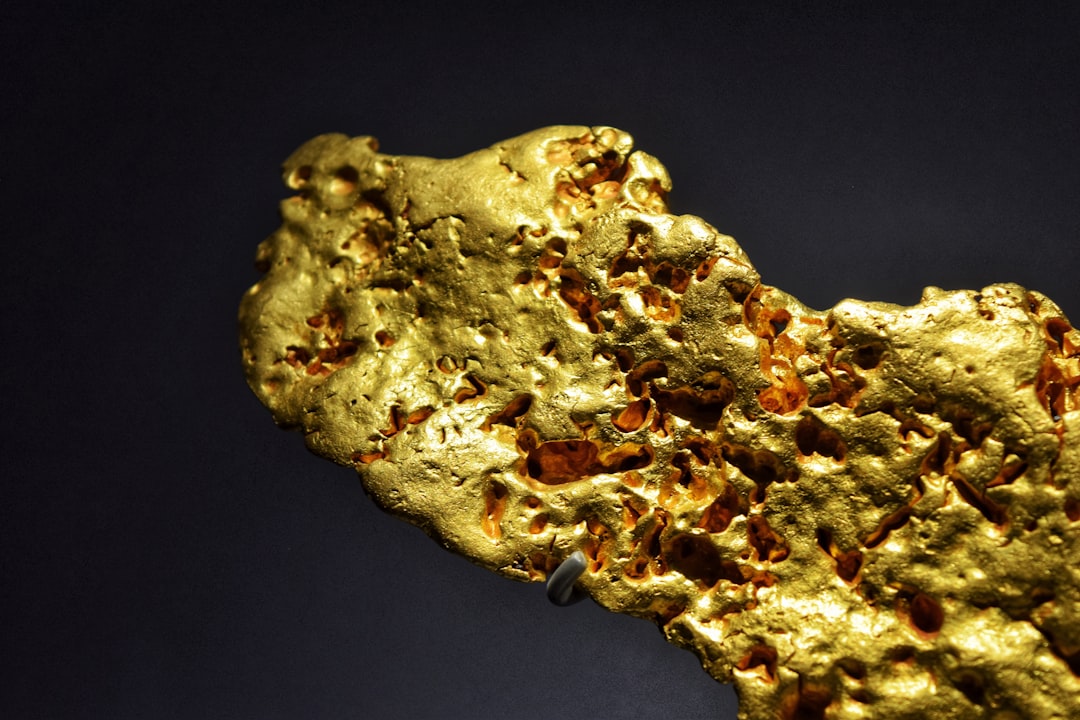
Why Commodity ETFs Matter More Than Ever in 2026
Here’s the context you need: inflation, while not at 2022 peak levels, remains structurally sticky in many developed economies. The energy transition is creating massive demand surges for industrial metals like lithium, copper, and cobalt. Meanwhile, agricultural supply chains are still adjusting to climate-related disruptions. Traditional stock-and-bond portfolios, the classic 60/40 model, have shown their limitations. Commodity ETFs step in as a real asset layer that tends to zig when equities zag.
According to Bloomberg data from Q1 2026, commodity-linked ETFs globally attracted over $47 billion in net inflows in the past 12 months — the highest since the post-pandemic surge of 2021. This tells us institutional and retail investors alike are leaning in. But not all commodity ETFs are created equal. Let’s break them down.
Top Global Commodity ETF Picks for 2026
- iShares S&P GSCI Commodity-Indexed Trust (GSG) — A broad-based commodity ETF tracking the S&P GSCI index, which covers energy, agriculture, livestock, industrial metals, and precious metals. Energy still dominates at roughly 60% weighting, so if you’re bullish on oil and natural gas, this is a core holding to consider. Expense ratio: ~0.75%.
- Invesco DB Commodity Index Tracking Fund (DBC) — Often considered more balanced than GSG, DBC follows 14 of the most heavily traded commodities. It uses a sophisticated rolling methodology to minimize contango drag — a technical issue where futures-based ETFs lose value over time due to contract rollovers. For beginners: think of contango drag like a slow leak in your tire. DBC patches that leak better than many peers. Expense ratio: ~0.85%.
- SPDR Gold Shares (GLD) — The gold standard (pun intended) for precious metals exposure. GLD holds physical gold and in 2026 remains one of the most liquid ETFs on the planet. With central banks globally still net buyers of gold, this one earns its place in nearly any diversified portfolio. Expense ratio: ~0.40%.
- Aberdeen Standard Physical Platinum Shares ETF (PPLT) — A more specialized pick. Platinum is increasingly relevant for hydrogen fuel cell technology, which is gaining real traction in 2026. Lower liquidity than gold ETFs, but the upside narrative is compelling. Expense ratio: ~0.60%.
- Teucrium Wheat Fund (WEAT) — For those interested in agricultural commodities, WEAT provides direct exposure to wheat futures. With global food security continuing to be a geopolitical flashpoint in 2026, soft commodities deserve a small allocation in forward-looking portfolios. Expense ratio: ~1.00%.
- Global X Copper Miners ETF (COPX) — Not a pure commodity ETF, but equity-based exposure to copper mining companies worldwide. As the backbone metal of the clean energy revolution — EVs, solar panels, grid infrastructure — copper demand projections through 2030 remain extremely bullish. This ETF blends commodity exposure with equity growth potential. Expense ratio: ~0.65%.
- iPath Bloomberg Commodity Index Total Return ETN (DJP) — A diversified ETN (Exchange-Traded Note, not a fund — slightly different risk profile) tracking 22 commodities across energy, metals, and agriculture with more balanced weighting than energy-heavy competitors. A solid “set it and consider it” broad commodity play.
Domestic & International Investor Considerations
For Korean investors (and many Asian markets), currency risk is a real factor. Most of these ETFs are USD-denominated, which means you’re also implicitly making a dollar bet. In 2026, the USD has shown relative strength against several Asian currencies, which has actually amplified returns for international investors holding dollar-based commodities — but that’s a double-edged sword on the way out.
Korean retail investors have increasingly accessed these ETFs through platforms like Kiwoom Securities, Mirae Asset’s Global Investing service, and newer fintech platforms. For those preferring KRX-listed alternatives, the KODEX Commodity Futures (H) ETF provides similar broad commodity exposure with currency hedging built in — useful if you want the commodity exposure without the forex volatility.
In the U.S. and European markets, robo-advisors like Betterment and Wealthfront have begun including commodity ETF allocations as standard in inflation-protection portfolio templates — a sign that this asset class has firmly entered mainstream financial planning in 2026.

Realistic Alternatives: Not Everyone Should Go All-In
Here’s where I want to be genuinely honest with you. Commodity ETFs carry unique risks that differ from equity ETFs:
- Contango drag in futures-based ETFs can erode returns significantly in flat or declining markets.
- Volatility in single-commodity ETFs (like WEAT or oil-focused funds) can be stomach-churning — 30–40% swings in a year are not uncommon.
- Tax treatment differs by country and by ETF structure (ETF vs. ETN vs. ETP).
If you’re new to commodities, here’s my practical suggestion: start with a 5–10% allocation within a broader portfolio. A diversified play like DBC or GSG is safer than a concentrated single-commodity bet. If you’re more experienced and have a specific thesis — say, the copper supercycle or gold as a reserve asset — then narrower ETFs like COPX or GLD make sense as targeted positions.
And if you’re genuinely unsure? A multi-asset ETF that already includes a commodity sleeve (like many target-date or all-weather funds) might give you the diversification benefit without requiring you to manage commodity exposure separately.
Editor’s Comment : Commodities in 2026 aren’t a fringe bet anymore — they’re a legitimate portfolio building block, especially as the physical economy asserts itself against the digital one. But the smartest investors I know don’t chase commodity headlines; they allocate thoughtfully, understand what they own, and review periodically. Start small, stay curious, and let the real world work for you.
태그: [‘global commodity ETF 2026’, ‘best commodity ETFs’, ‘gold ETF investment’, ‘copper ETF clean energy’, ‘inflation hedge ETF’, ‘DBC GSG GLD ETF comparison’, ‘commodity portfolio diversification’]