Picture this: Margaret, a 74-year-old retired schoolteacher from Portland, was diagnosed with Type 2 diabetes eleven years ago. For years, her management routine was straightforward — metformin, a blood sugar monitor, and quarterly checkups. But last year, her doctor flagged early signs of diabetic nephropathy and peripheral neuropathy. What saved her from a much grimmer trajectory wasn’t just medication — it was a completely overhauled, multi-layered approach to care that didn’t even exist five years ago. Margaret’s story isn’t unique. It’s becoming the norm for millions of older adults worldwide.
As the global population ages rapidly, the intersection of aging and diabetes has become one of medicine’s most urgent frontiers. In 2026, we’re not just managing diabetes in seniors — we’re genuinely preventing the complications that have historically stolen their independence and quality of life. Let’s think through what’s actually working, why it works, and what realistic options look like depending on your situation.

Why Older Adults Face Unique Diabetic Challenges
Before diving into treatments, it’s worth understanding why seniors are in a different category altogether. Aging bodies deal with something called frailty phenotype — a biological state where reserve capacity is reduced. This means that a complication that a 45-year-old might recover from in weeks could permanently disable a 75-year-old. Add to this the common reality of polypharmacy (taking five or more medications simultaneously), declining kidney function, and reduced hypoglycemia awareness, and you have a population that needs precision — not just standard protocol.
According to the International Diabetes Federation’s 2025-2026 Global Report, approximately 136 million people aged 65 and older are living with diabetes worldwide. Of those, nearly 40% will develop at least one significant complication — ranging from cardiovascular disease and chronic kidney disease (CKD) to diabetic retinopathy and lower-limb neuropathy — within a decade of diagnosis. That’s not a minor footnote. That’s a global health crisis with a ticking clock.
The Most Dangerous Complications — And What 2026 Science Says About Them
Let’s break down the big four complications and what’s actually being done about each of them right now:
- Cardiovascular Disease (CVD): Still the leading cause of death in diabetic seniors. The exciting news? SGLT-2 inhibitors like empagliflozin and dapagliflozin have demonstrated in multiple large-scale trials (including EMPEROR-Reduced and DAPA-HF follow-ups) not just blood sugar control, but direct cardioprotective effects — reducing hospitalization for heart failure by up to 35% in elderly cohorts.
- Chronic Kidney Disease (CKD): Diabetic nephropathy progresses silently. The 2026 clinical breakthrough here is the expanded use of finerenone, a non-steroidal mineralocorticoid receptor antagonist, alongside SGLT-2 inhibitors. Studies from the FIGARO-DKD and FIDELIO-DKD programs showed this combination reduces kidney disease progression by nearly 20-25% more than either drug alone.
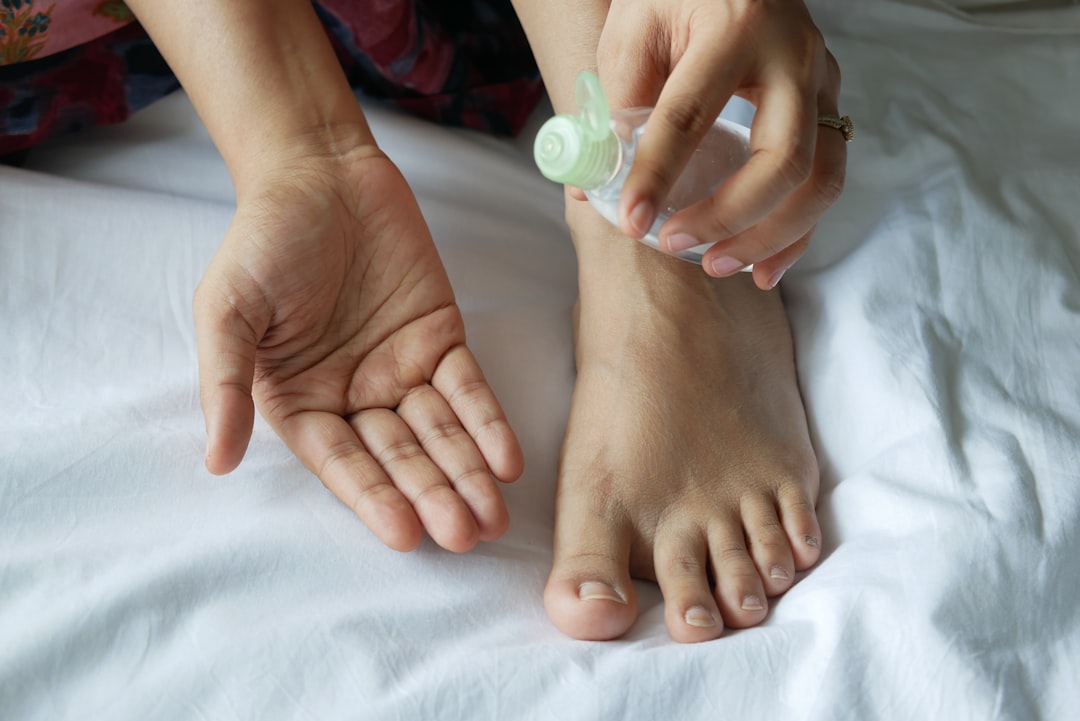
- Peripheral Neuropathy: Around 50% of long-term diabetics experience this nerve damage, which causes pain, numbness, and fall risk — a deadly combination for seniors. Beyond glucose control, low-level laser therapy (LLLT) and spinal cord stimulation (SCS) are now being adopted in specialized geriatric centers for pain-resistant cases. These aren’t fringe treatments — they’re being incorporated into mainstream pain management protocols in 2026.
- Diabetic Retinopathy: Anti-VEGF injections (like ranibizumab and faricimab) continue to be the gold standard, but the exciting development in 2026 is the emergence of sustained-release ocular implants that reduce injection frequency from monthly to once every 6 months — a massive quality-of-life improvement for elderly patients with mobility challenges.
Real-World Examples: What Countries Are Getting Right
Looking at how different healthcare systems are tackling this problem gives us some genuinely inspiring and practical models.
South Korea’s Integrated Geriatric Diabetes Program: South Korea, facing one of the world’s fastest-aging populations, launched a national Elderly Diabetes Complication Prevention Initiative in late 2024, which has now matured significantly by 2026. Community health centers pair seniors with AI-assisted continuous glucose monitoring (CGM) systems that automatically alert both the patient and their physician when risk thresholds are crossed. Early data from Seoul National University Hospital shows a 31% reduction in emergency hospitalizations among enrolled patients over 70.
The UK’s NHS Frailty-Adapted Diabetes Pathways: The NHS restructured its diabetes care guidelines in 2026 to include frailty staging as a core component. Rather than applying blanket HbA1c targets (the traditional measure of blood sugar control over 3 months), older adults are now assessed on individual functional capacity. A frail 80-year-old, for instance, may have a relaxed HbA1c target of 8.0-8.5% to avoid dangerous hypoglycemia, while a robust 68-year-old may still aim for 6.5-7.0%. This isn’t laziness in care — it’s personalized precision medicine at the policy level.
Japan’s Digital-Physical Hybrid Clinics: Japan has pioneered hybrid care stations — small neighborhood clinics where seniors can walk in for real-time retinal scanning, foot pressure mapping (to detect neuropathy-related ulcer risk), and immediate telemedicine consultations with specialists. The foot mapping technology, adapted from sports medicine, identifies pressure point abnormalities before ulcers even form — potentially preventing the amputations that affect over 1 million diabetic patients globally each year.
The Role of Technology: CGMs, AI, and Personalized Medicine
Continuous Glucose Monitors have been around for a while, but their application in geriatric care has been genuinely revolutionized. The newer CGM models available in 2026 — like Abbott’s FreeStyle Libre 4 and Dexcom G8 — are designed with larger displays, longer wear times (up to 21 days), and fall detection integration. When a senior experiences a hypoglycemic event that causes a fall, the device can now automatically notify emergency contacts.
On the AI front, predictive analytics tools integrated into electronic health records are now flagging patients at high complication risk before clinical symptoms appear. Algorithms trained on millions of patient records can predict, with roughly 78% accuracy, which patients will develop significant CKD within 18 months — allowing for earlier, more aggressive intervention. This is the kind of proactive medicine that could genuinely change the trajectory of aging with diabetes.
Nutrition and Lifestyle: Still the Unbeatable Foundation
Here’s something I want to be honest about: no drug or device replaces the fundamentals. The latest clinical guidelines from the American Diabetes Association (ADA) 2026 Standards of Care specifically emphasize that even in seniors, structured dietary intervention and supervised physical activity produce measurable improvements in complication risk. The key adaptations for older adults include:
- Protein-first dietary approach: Unlike younger diabetics who may focus heavily on carbohydrate restriction, seniors need adequate protein (1.2-1.5g/kg body weight) to preserve muscle mass and prevent sarcopenia, which worsens metabolic control.
- Chair-based resistance exercises: For seniors with limited mobility, seated resistance band workouts three times weekly have shown statistically significant improvements in insulin sensitivity in multiple small-scale trials.
- Mediterranean-MIND hybrid diet: A 2025 multicenter study found that this combined dietary pattern reduced cognitive decline risk in diabetic seniors by 23% — a particularly relevant benefit given that diabetes doubles the risk of developing dementia.
Realistic Alternatives Based on Your Situation
Here’s where I want to think through this practically with you, because not everyone has access to cutting-edge hospital systems or expensive technology.
If you’re in a rural area with limited specialist access, the most impactful step you can take is advocating for a CGM with your primary care physician and enrolling in a telehealth diabetes management program. Many insurance plans in the US, UK, and Australia now cover telehealth specialist consultations, which eliminates geographic barriers.
If cost is a significant barrier, it’s worth knowing that generic SGLT-2 inhibitor formulations are beginning to enter markets in 2026, which will substantially reduce medication costs. Additionally, community diabetes education programs (often run by local hospitals or non-profits) provide structured lifestyle coaching at little or no cost — and the evidence base for these programs is genuinely strong.
If your elderly parent or loved one is dealing with cognitive decline alongside diabetes, simplified medication regimens (fewer pills, longer-acting insulins that require less timing precision) and caregiver-assisted CGM management are realistic, evidence-backed options that reduce both error risk and caregiver burden.
The bottom line is that preventing diabetic complications in older adults in 2026 is about layering smart, personalized strategies — not chasing a single silver bullet. The science is more sophisticated than ever, but the humanity of care — understanding an individual person’s capacity, goals, and circumstances — remains what determines real outcomes.
Editor’s Comment : What strikes me most about where we are in 2026 is that the conversation has genuinely shifted from “managing diabetes” to “preserving life quality and independence” for older adults. The tools exist — what we need now is better access, better education, and the courage to have honest conversations with our doctors about what goals actually matter most at this stage of life. If you’re a senior with diabetes, or caring for one, please don’t wait for symptoms to demand better, more personalized care. The science is on your side.
태그: [‘elderly diabetes treatment 2026’, ‘diabetic complications prevention seniors’, ‘geriatric diabetes care’, ‘SGLT2 inhibitors older adults’, ‘diabetic neuropathy retinopathy prevention’, ‘senior diabetes technology CGM’, ‘aging diabetes complications management’]