A colleague of mine — a mid-level marketing manager with zero background in finance — called me last month in a mild panic. She’d watched commodity prices swing wildly through 2025 and into early 2026, and she kept hearing the term commodity ETF thrown around at dinner parties. “Is this something I should be doing?” she asked. “And if so, where do I even start?”
Sound familiar? You’re not alone. With inflation pressures still lingering in 2026, geopolitical supply disruptions continuing to rattle oil and agricultural markets, and gold quietly hovering near historic highs, a lot of investors — beginners and veterans alike — are taking a fresh look at raw materials ETF portfolio construction (원자재 ETF 포트폴리오 구성). Let’s think through this together, logically and practically.
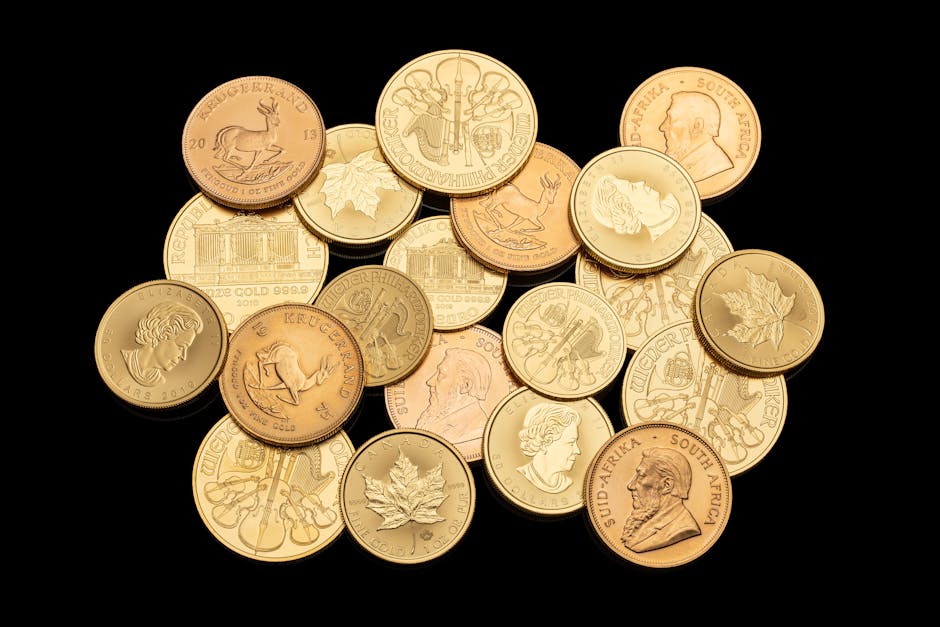
What Exactly Is a Commodities ETF, and Why Now?
A commodity ETF (Exchange-Traded Fund) is essentially a basket of investments that tracks the price of one or more raw materials — think crude oil, natural gas, gold, silver, copper, wheat, corn, soybeans, and so on. Rather than buying a barrel of oil and storing it in your garage (please don’t), you buy shares of a fund that does the tracking for you, on a regular stock exchange.
Here’s the logical case for including them in 2026:
- Inflation hedge: Commodity prices tend to rise when consumer prices rise. In Q1 2026, U.S. CPI is still running above the Fed’s 2% target at approximately 2.8%, making real assets attractive.
- Portfolio diversification: Commodities have historically shown low or even negative correlation with stocks and bonds — meaning they can cushion your portfolio when equity markets dip.
- Supply-side dynamics: Ongoing tensions in the Middle East, OPEC+ production decisions, and the green energy transition are all creating structural demand stories in oil, copper, and lithium.
- Currency protection: For international investors (especially those holding Korean won or Japanese yen), dollar-denominated commodity ETFs can offer an additional layer of currency diversification.
Breaking Down the Main Commodity ETF Categories
Not all commodity ETFs are the same. Before you build your portfolio, it’s worth understanding the four major categories:
- Energy ETFs: Funds like Energy Select Sector SPDR Fund (XLE) or United States Oil Fund (USO) track crude oil, natural gas, and related energy stocks. High volatility, but high potential.
- Precious Metals ETFs: SPDR Gold Shares (GLD) and iShares Silver Trust (SLV) are the classics. Gold has proven itself as a crisis asset repeatedly — and in early 2026, with central bank gold purchases still elevated globally, it remains a portfolio anchor.
- Base / Industrial Metals ETFs: Copper, aluminum, nickel. Funds like iPath Bloomberg Copper Subindex ETN are tied directly to industrial activity and the EV/green infrastructure boom.
- Agricultural ETFs: Invesco DB Agriculture Fund (DBA) bundles wheat, corn, soybeans, sugar. Climate volatility in 2026 has kept agricultural supply unpredictable — making this category both risky and relevant.
- Broad Commodity ETFs: For beginners, broad-based funds like iShares S&P GSCI Commodity-Indexed Trust (GSG) or Invesco DB Commodity Index Tracking Fund (DBC) offer exposure across all sectors without forcing you to pick.
A Realistic Portfolio Framework: By Risk Profile
Let’s get practical. Here’s how I’d logically structure a commodity ETF allocation depending on your risk appetite. These are percentage allocations within your commodity sleeve — typically, financial planners suggest commodity ETFs make up 5–15% of a total portfolio.
Conservative Investor (Low Risk Tolerance):
- Gold ETF (GLD or equivalent): 60%
- Broad Commodity ETF (DBC): 30%
- Agricultural ETF (DBA): 10%
Balanced Investor (Moderate Risk):
- Gold ETF: 35%
- Energy ETF (XLE): 25%
- Industrial Metals ETF: 20%
- Agricultural ETF: 20%
Aggressive Investor (High Risk Tolerance):
- Energy ETF: 40%
- Industrial/Base Metals ETF: 30%
- Agricultural ETF: 20%
- Gold ETF: 10%
The logic here is straightforward: gold is the most liquid and least volatile commodity — it’s your shock absorber. Energy and agricultural commodities carry higher volatility but potentially greater returns if you time the cycle right (which, candidly, is incredibly hard to do).

Real-World Examples: How Korean and Global Investors Are Playing This in 2026
Let’s bring in some concrete examples from both domestic (Korean) and international markets.
Korea (국내 사례): Several Korean retail investors have been using KODEX 골드선물(H) — a gold futures ETF listed on the Korea Exchange (KRX) — as their anchor commodity position. It’s won-denominated with currency hedging, making it accessible for local investors who don’t want foreign exchange risk. Additionally, TIGER 원유선물Enhanced(H) has seen renewed interest in 2026 as crude oil prices fluctuated between $78–$95/barrel amid OPEC+ production adjustments.
United States: Institutional investors at firms like BlackRock and Vanguard have been publicly increasing commodity tilt in multi-asset funds as a tactical inflation buffer. The iShares GSCI Commodity Dynamic Roll Strategy ETF (COMT) uses a dynamic roll strategy to reduce the contango drag problem — a key technical issue with futures-based commodity ETFs (more on that below).
Europe: The European green transition has made copper and lithium ETFs particularly popular among ESG-aware investors. WisdomTree’s copper and battery metals ETPs (Exchange-Traded Products) have seen significant inflows in Q1 2026, as EU battery manufacturing targets accelerate demand.
The Hidden Pitfall You Need to Know: Contango and Roll Yield
Here’s where I want to save you from a mistake my colleague almost made. Many commodity ETFs don’t hold physical commodities — they hold futures contracts. When those contracts expire, the fund “rolls” into the next contract. If the next contract is more expensive than the current one (a condition called contango), the fund loses a little value every time it rolls. Over years, this negative roll yield can significantly erode returns.
Practical fix: Look for ETFs that use optimized roll strategies (like COMT or DBC) or hold physical commodities where possible (GLD holds actual gold bars, for instance). Always check the fund’s prospectus for its roll methodology before investing.
Realistic Alternatives: If Commodity ETFs Feel Too Complex
If after all this you feel like the contango, the category selection, and the rebalancing are just too much to manage right now — that’s a completely valid conclusion. Here are some grounded alternatives:
- Commodity-producing company stocks: Instead of buying an oil ETF directly, buy shares in diversified energy companies like ExxonMobil or Chevron. You get commodity exposure with less contango risk.
- Real Asset REITs: Some REITs invest in infrastructure tied to natural resources — pipelines, storage facilities, farmland. These carry commodity price sensitivity without the complexity of futures.
- I-Bonds or TIPS (inflation-linked bonds): If your main goal is inflation protection, U.S. Treasury Inflation-Protected Securities are simpler and lower-risk than commodity ETFs.
- Multi-asset funds with commodity tilt: Some balanced funds already include a commodity sleeve managed by professionals. Less control, but far less homework.
Building a commodities ETF portfolio isn’t about chasing the hottest sector or panic-buying gold because a podcast told you to. It’s about thoughtfully carving out a slice of your overall portfolio that behaves differently from your stocks and bonds — and then leaving it alone to do its job over time. Start small (5% of your portfolio), understand what each fund holds, and revisit your allocation every 6 months as conditions evolve.
Editor’s Comment : The most important thing about commodity ETF investing in 2026 isn’t picking the “right” commodity — it’s understanding why you’re adding it to your portfolio in the first place. Clarity of purpose beats complexity every single time. If you can answer “I’m holding this gold ETF because it reduces my portfolio’s correlation to equity markets and acts as an inflation buffer” — you’re already ahead of most investors. That’s your north star. Everything else is details.
태그: [‘commodity ETF portfolio 2026’, ‘raw materials ETF investing’, ‘gold ETF strategy’, ‘energy ETF allocation’, ‘inflation hedge investments’, ‘원자재 ETF’, ‘commodity diversification portfolio’]