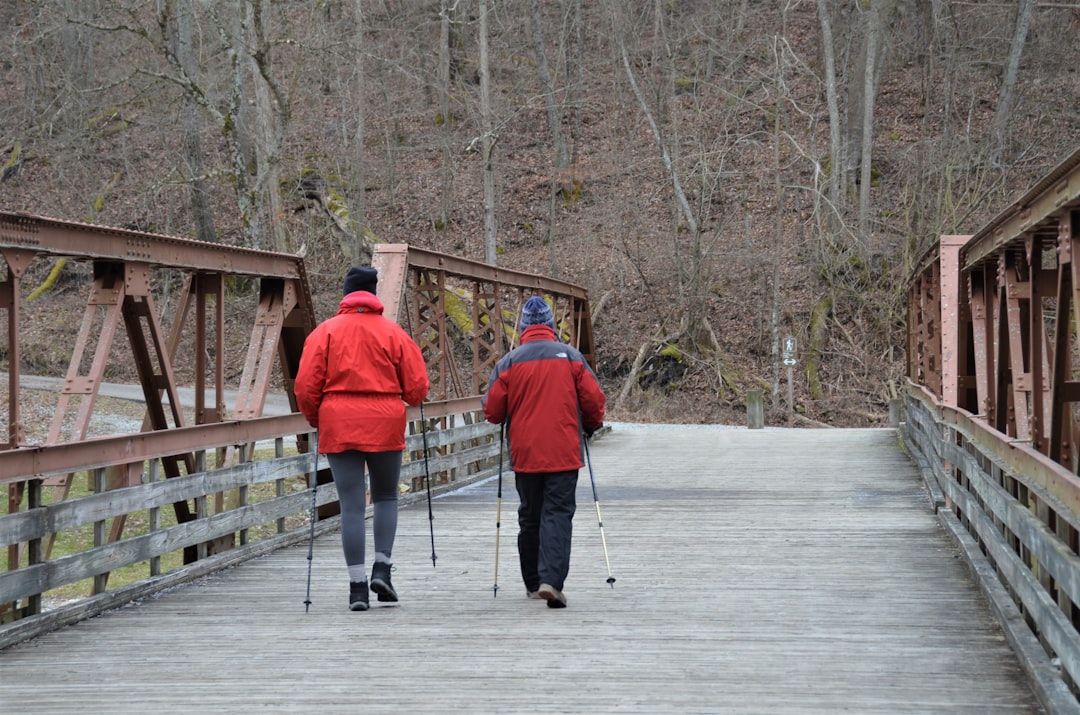
My neighbor, Mr. Kaminsky, turned 74 last month. A few years ago, he was shuffling around with a cane, complaining about joint pain and foggy memory. Today? He’s hiking three miles twice a week, managing his blood pressure without three different medications, and — honestly — looking better than some people I know in their 50s. What changed? He didn’t find a miracle cure. He simply got access to the right information at the right time and made a few very deliberate lifestyle shifts. That’s exactly what today’s post is about.
Senior health management in 2026 looks dramatically different from even five years ago. Technology, nutrition science, and a more holistic understanding of aging have converged in ways that genuinely move the needle. Let’s think through this together — whether you’re a senior yourself, a caregiver, or someone planning ahead.
📊 Where We Stand: Senior Health Data in 2026
The global population of adults aged 65 and over is now estimated at over 1.1 billion, according to the World Health Organization’s 2026 Aging Report. In the United States alone, roughly 1 in 6 people is now over 65 — and that ratio is climbing. South Korea, Japan, and several European nations have already crossed the “super-aged society” threshold, meaning over 20% of their populations are seniors.
Here’s what’s interesting about the health data:
- Cardiovascular disease remains the #1 cause of death in seniors globally, but preventable risk factors are increasingly well-understood and manageable.
- Cognitive decline (including dementia and Alzheimer’s) affects approximately 55 million people worldwide — but new 2026 research from the Lancet Neurology Commission suggests that up to 45% of dementia cases could theoretically be prevented or delayed through lifestyle modification.
- Falls are still the leading cause of injury-related death in adults over 65. The CDC estimates that one in four older adults falls each year in the U.S.
- Loneliness and social isolation are now classified as health risks equivalent to smoking 15 cigarettes per day — a finding that’s finally being taken seriously in clinical settings.
- On the positive side: healthy life expectancy (the years lived in good health, not just alive) has increased by 2.3 years globally since 2020, suggesting that better health management is already having a measurable impact.
🧬 What’s Actually New in 2026: The Biggest Shifts in Senior Care
Let’s be specific, because “new advances” can sound vague. Here are the real changes gaining traction this year:
1. Personalized Nutrition by Biological Age, Not Chronological Age
We used to give general dietary advice — “eat less sodium, eat more fiber.” In 2026, companies like InsideTracker and newer players in the longevity biomarker space are offering blood panel-based nutrition plans that account for your biological age — how old your cells actually are. This matters enormously for seniors, because two 70-year-olds can have vastly different metabolic profiles. South Korean health clinics, particularly in Seoul’s aging-care innovation hubs, have been piloting these personalized nutrition protocols since late 2024 with strong adherence and measurable outcomes in markers like HbA1c and inflammatory CRP levels.
2. Wearable Tech That Actually Predicts, Not Just Tracks
Fitness trackers for seniors have moved beyond step counts. Devices like the latest Apple Watch Ultra 3 and Samsung Galaxy Ring now offer continuous atrial fibrillation detection, blood glucose trend monitoring (without a finger prick for most users), and fall prediction alerts — not just fall detection. The difference? Prediction models analyze gait instability and alert caregivers before a fall happens. Japan’s Ministry of Health has been subsidizing these devices for low-income seniors since January 2026, citing a projected 18% reduction in fall-related hospitalizations.
3. Social Prescribing — A Formal Medical Practice Now
In the UK, NHS social prescribing programs — where GPs literally prescribe community activities, volunteering, or social groups alongside medication — have expanded to cover over 2 million seniors as of 2026. The results in reducing depression, anxiety, and even cardiovascular events have been compelling enough that similar pilots are now running in Canada, Australia, and select U.S. states including Massachusetts and Oregon.
4. Resistance Training as Medicine
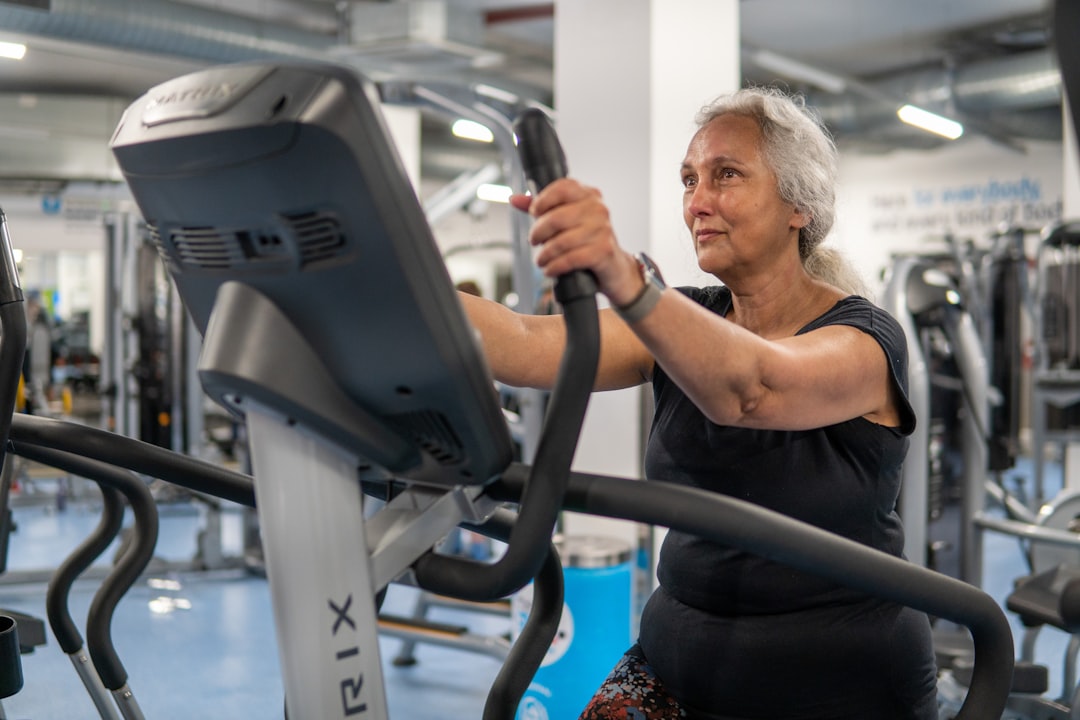
This isn’t new as a concept, but 2026 marks the year it’s becoming standard clinical guidance. The American College of Sports Medicine updated its senior exercise guidelines this year to explicitly recommend progressive resistance training at least twice per week for all adults over 65 — not just those who are already fit. The evidence on muscle preservation (sarcopenia prevention), bone density, blood sugar regulation, and cognitive function is now too strong to ignore.
🌍 Real-World Examples: What Countries Are Doing Right
Japan’s “Silver Industry” Innovation
Japan, with nearly 30% of its population over 65, has arguably the most sophisticated senior health ecosystem in the world. Robotic care assistants in nursing homes now handle physically demanding tasks like lifting patients, reducing caregiver injury and improving dignity for residents. Community “Ikigai centers” (purpose-of-life centers) blend fitness, social connection, and vocational engagement — and have been linked to Japan’s consistently high healthy life expectancy figures.
South Korea’s Digital Health Integration
Korea’s national health insurance system (NHIS) now includes mandatory annual digital health screenings for adults over 66, including cognitive assessments and metabolic panels. Results are uploaded to a personal health portal, and AI-generated care suggestions are reviewed by a human GP. It’s not perfect, but it’s a remarkable infrastructure for early intervention.
Denmark’s Home-Based Care Model
Denmark made a deliberate policy shift decades ago to fund home-based care rather than institutional care. By 2026, over 85% of Danish seniors receive care at home, with regular physiotherapy and nursing visits. The social continuity — staying in one’s own neighborhood, maintaining existing relationships — has measurable positive effects on mental health outcomes.
💡 Practical Takeaways: What You Can Start Doing This Week
- Audit your medication list with your doctor — “polypharmacy” (taking 5+ medications simultaneously) affects over 40% of seniors and significantly increases fall risk and cognitive fog. A medication review can be transformative.
- Add one resistance exercise — even chair squats, wall push-ups, or resistance bands at home count. Consistency beats intensity every time.
- Prioritize sleep architecture, not just duration — seniors often get 7 hours but with poor deep-sleep quality. Reducing alcohol (even moderate amounts), maintaining consistent sleep/wake times, and limiting screen light after 9pm significantly improve sleep quality.
- Schedule a social commitment weekly — treat it like a medical appointment. Book clubs, faith communities, volunteer shifts, walking groups — the format matters less than the regularity.
- Track one biomarker at home — blood pressure, blood glucose if relevant, or even grip strength (a surprisingly powerful predictor of overall health). What gets measured, gets managed.
- Consider a vitamin D and omega-3 baseline check — deficiencies in both are extremely common in seniors and are linked to depression, immune dysfunction, and joint health. These are cheap to test and often cheap to fix.
🔄 Realistic Alternatives for Different Situations
Not everyone has access to cutting-edge biomarker testing or lives in a country with robust social prescribing. That’s okay — let’s be practical:
If you’re on a tight budget: Free community senior centers, library programs, and YMCA senior rates offer social connection and structured exercise without high costs. YouTube has outstanding free resistance training programs specifically designed for older adults — channels like “Pahla B Fitness” are medically informed and senior-specific.
If you’re a long-distance caregiver: Set up a simple weekly video call ritual, help your senior family member join one in-person recurring activity, and coordinate with their GP to ensure an annual medication review happens. These three things alone make a meaningful difference.
If mobility is limited: Chair-based yoga, water aerobics (extremely low-impact and highly effective), and even gentle hand-and-arm exercises maintain muscle tone and circulation. The key is finding movement that’s sustainable and enjoyable, not heroic.
The bottom line is this: aging well in 2026 is genuinely more achievable than it’s ever been. The science is clearer, the tools are more accessible, and the cultural narrative around aging is slowly but meaningfully shifting from “inevitable decline” to “active management.” Mr. Kaminsky figured that out. The good news is you don’t have to wait until a wake-up call to start.
Editor’s Comment : The most powerful insight from this year’s senior health research isn’t a drug or a device — it’s the confirmation that consistency in small, evidence-based habits dramatically outperforms any single intervention. Whether you’re 65 or helping someone who is, start with one change this week. The compounding effect of small improvements over months and years is genuinely remarkable — and the data in 2026 proves it better than ever.
태그: [‘senior health 2026’, ‘elderly care tips’, ‘healthy aging lifestyle’, ‘senior fitness and nutrition’, ‘aging well at home’, ‘cognitive health seniors’, ‘preventive healthcare for elderly’]