Let me paint you a picture. It’s early 2026, and a friend of mine — a software engineer with zero background in finance — calls me up in a mild panic. “Everyone keeps talking about commodity ETFs,” she says, “but I have no idea where to start. Gold? Oil? Agricultural stuff?” Sound familiar? You’re not alone. With geopolitical tensions reshaping supply chains, energy transitions accelerating faster than anyone predicted, and inflation still playing its unpredictable game, global commodity ETFs have moved from the sidelines into the main conversation for everyday investors in 2026.
So let’s sit down together and actually think through which commodity ETFs are leading the pack right now — and more importantly, why they matter to you.
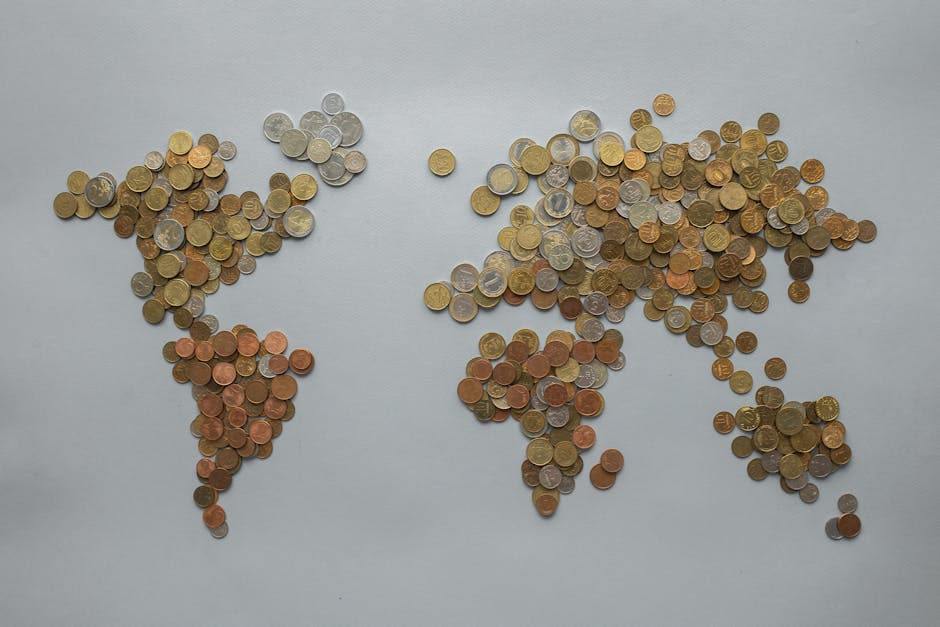
What Exactly Is a Commodity ETF? A Quick Refresher
Before we dive into rankings, let’s make sure we’re speaking the same language. A commodity ETF (Exchange-Traded Fund) is a fund that tracks the price of one or more physical commodities — think gold, crude oil, natural gas, copper, wheat, or a basket of all of the above. Unlike buying a barrel of oil yourself (please don’t), you purchase shares of the ETF on a stock exchange, just like any regular stock. The fund does the heavy lifting of tracking commodity prices through futures contracts, physical holdings, or a combination of both.
Now here’s where it gets interesting in 2026: the commodity landscape has shifted considerably. The clean energy transition has turbocharged demand for metals like lithium, copper, and cobalt. Meanwhile, traditional energy commodities like crude oil remain volatile but strategically relevant. Agricultural commodities have surged due to climate disruptions affecting harvests across Southeast Asia and parts of South America. This makes which commodity ETF you choose genuinely consequential.
The 2026 Global Commodity ETF Rankings: Who’s on Top?
Based on assets under management (AUM), year-to-date performance, expense ratios, and liquidity metrics as of early 2026, here’s how the major global commodity ETFs stack up:
- SPDR Gold Shares (GLD) — Still the undisputed heavyweight champion. With gold prices maintaining levels above $2,800/oz in early 2026 amid continued central bank buying from BRICS-affiliated nations and persistent safe-haven demand, GLD remains the most liquid and widely held commodity ETF globally. AUM sits at approximately $75 billion. Expense ratio: 0.40%. If commodity investing had a “default setting,” this would be it.
- iShares S&P GSCI Commodity-Indexed Trust (GSG) — A broad-basket ETF tracking the S&P GSCI index, which is heavily weighted toward energy (roughly 55–60%). In 2026, with energy markets remaining structurally tight, GSG offers diversified commodity exposure in a single ticker. Slightly higher volatility, but that’s the price of breadth. Expense ratio: 0.75%.
- Invesco DB Commodity Index Tracking Fund (DBC) — Another diversified player, but with a more balanced allocation between energy, metals, and agriculture compared to GSG. DBC has gained renewed attention in 2026 as agricultural commodity prices climbed. A solid middle-ground pick. Expense ratio: 0.85%.
- iShares Copper and Metals Mining ETF (ICOP) — Here’s where 2026 gets exciting. Copper is the metal of the energy transition — it’s in EV batteries, solar panels, wind turbines, and grid infrastructure. ICOP, focusing on copper and related industrial metals, has been one of the standout performers of early 2026, riding the wave of green infrastructure spending globally. Higher risk, higher potential reward. Expense ratio: 0.47%.
- United States Oil Fund (USO) — Tracks West Texas Intermediate (WTI) crude oil futures. USO is for investors who want direct, concentrated exposure to oil prices. In 2026, it’s a polarizing choice — OPEC+ production discipline has supported prices, but the long-term structural decline narrative for oil hasn’t gone away. Best suited for short- to medium-term tactical plays rather than long-term core holdings.
- Invesco DB Agriculture Fund (DBA) — Agriculture is the quiet story of 2026. El Niño aftermath effects, ongoing conflicts disrupting grain exports, and water scarcity issues have pushed agricultural commodity prices higher. DBA tracks futures on corn, soybeans, wheat, and sugar among others. It’s less glamorous than gold or copper, but the fundamentals are compelling right now. Expense ratio: 0.93%.
- Aberdeen Standard Physical Platinum Shares ETF (PPLT) — A niche but intriguing pick. Platinum’s role in green hydrogen production (via hydrogen fuel cells) is increasingly recognized in 2026. Still underappreciated by mainstream investors, which could mean opportunity for the forward-thinking investor.
Global vs. Domestic: How Do These Compare to Korean and Asian Commodity ETFs?
For readers coming from or investing through Asian markets, it’s worth knowing how global ETFs compare to domestic options. In South Korea, for instance, KODEX Gold Futures ETF (합성) and TIGER 원유선물Enhanced ETF have seen increased retail trading volumes in 2026. Korean investors have also shown growing interest in KODEX 구리선물 ETF, mirroring the global copper enthusiasm.
In Japan, the NEXT FUNDS Bloomberg Commodity Index linked ETF continues to attract institutional flows. Meanwhile, Hong Kong-listed commodity ETFs have benefited from Chinese government stimulus measures that boosted industrial metal demand in late 2025 and into 2026.
The key difference? Liquidity and currency risk. Global ETFs like GLD or DBC typically offer superior liquidity and tighter bid-ask spreads. But if you’re investing in local currency and want to avoid USD/KRW or USD/JPY fluctuation adding another layer of unpredictability, domestic equivalents have their logic too. It’s not automatically “better” to go global — it depends on your currency exposure preference.
How to Actually Think About Allocating to Commodity ETFs
Here’s something the rankings don’t tell you: there’s no universally “best” commodity ETF. There’s only the best one for your specific situation. Let me walk you through a simple framework:
- Risk tolerance is everything. Gold ETFs (GLD, IAU) are lower volatility. Energy ETFs (USO) are higher volatility. Industrial metal ETFs (ICOP) sit somewhere in between but with strong thematic tailwinds in 2026.
- Time horizon matters. Agricultural and clean energy metals have stronger long-term fundamental stories. Oil is more of a cyclical, shorter-term tactical play.
- Diversification vs. concentration. Broad-basket ETFs like DBC or GSG reduce single-commodity risk but dilute upside. Single-commodity ETFs like GLD or PPLT offer purer exposure.
- Watch expense ratios closely. In commodity ETFs, fees eat into returns more noticeably than in equity ETFs because commodity price appreciation can be more modest over long periods. Every 0.1% matters.
- Understand “contango” and futures roll costs. Many commodity ETFs use futures contracts, not physical assets. When the futures market is in contango (future prices higher than current), rolling contracts costs money and can drag on returns even when the underlying commodity price rises. This is why some gold ETFs (which hold physical gold) structurally outperform oil ETFs (which use futures) on a long-term basis.
Realistic Alternatives if ETFs Feel Too Complex
If all of this futures-and-contango talk made your head spin, here are some gentler entry points worth considering:
- Commodity-producing company stocks: Buying shares in companies like BHP, Rio Tinto, or Freeport-McMoRan gives you indirect commodity exposure with the added benefit of dividends and corporate earnings. Slightly different risk profile, but familiar structure.
- Multi-asset funds with commodity allocation: Some balanced funds in 2026 already include 5–15% commodity exposure as part of their inflation-hedging strategy. Less control, but less complexity.
- Gold savings accounts (available in many Asian banks): For those who simply want gold exposure without any trading platform complexity, bank-linked gold accounts offer a straightforward path — though liquidity and fees vary.
The goal isn’t to find the “perfect” instrument. The goal is to find the instrument that you actually understand well enough to hold with conviction during the inevitable turbulent stretches.
Editor’s Comment : The commodity ETF landscape in 2026 is genuinely exciting, but excitement without understanding is just gambling with better-sounding names. My honest take? Start with one broad-basket ETF like DBC to get a feel for commodity market behavior, then layer in a thematic bet (copper or agriculture) only once you’ve watched a full market cycle. The investors who do best here aren’t the ones who chased the highest-ranked ETF — they’re the ones who understood why they owned it. That clarity keeps you from panic-selling the moment prices dip, which, in commodities, they inevitably will.
태그: [‘global commodity ETF 2026’, ‘best commodity ETFs 2026’, ‘gold ETF ranking’, ‘copper ETF investment’, ‘commodity ETF comparison’, ‘agricultural ETF 2026’, ‘raw materials ETF portfolio’]