Let me paint you a picture. My neighbor’s 72-year-old father, Mr. Kim, had been managing both Type 2 diabetes and hypertension for nearly a decade. Every morning, he’d stare at his breakfast plate — rice, kimchi, a bit of fish — and genuinely wonder, “Is this helping me or hurting me?” His doctor had handed him a generic pamphlet at his last visit, but it didn’t account for his Korean food preferences, his fixed income, or the fact that cooking elaborate meals alone just wasn’t realistic anymore. Sound familiar? That tension between medical advice and real life is exactly what we’re going to think through together today.
Why Older Adults Face a Unique Double Challenge
When diabetes and hypertension occur together — which happens in roughly 60–75% of elderly diabetic patients according to the International Diabetes Federation’s 2026 Global Report — the dietary balancing act becomes significantly more complex. You’re not just watching blood sugar; you’re simultaneously monitoring sodium intake, potassium levels, and overall caloric density. And here’s the kicker: older adults over 65 often experience reduced kidney function, meaning that aggressive dietary restrictions (like extremely high protein for blood sugar stabilization) can backfire badly.
The core metabolic challenge looks something like this:
- Insulin resistance increases with age — muscle mass declines (sarcopenia), which is the primary site of glucose uptake, making blood sugar harder to regulate naturally.
- Arterial stiffness progresses — sodium sensitivity becomes more acute in older adults, meaning even moderate sodium increases cause disproportionate blood pressure spikes.
- Appetite and taste perception decline — many seniors compensate by using more salt or sugar, inadvertently worsening both conditions.
- Polypharmacy interactions — common medications like ACE inhibitors (for hypertension) can raise potassium levels, so a “heart-healthy” banana-heavy diet might actually be contraindicated.
- Social and financial barriers — fixed pensions and living alone reduce both the budget and motivation for varied, nutrient-dense cooking.
Breaking Down the Ideal Dietary Framework
Rather than prescribing a rigid meal plan, let’s think about this as layered priorities. The most clinically validated approach for this dual-condition profile in 2026 synthesizes three evidence-based frameworks: the DASH diet (Dietary Approaches to Stop Hypertension), the Mediterranean diet, and low-glycemic index (GI) eating. Interestingly, a 2026 meta-analysis published in The Lancet Healthy Longevity found that combining DASH principles with Mediterranean fat sources reduced cardiovascular events in elderly dual-condition patients by approximately 28% over three years compared to standard dietary advice alone.
Here’s how the macronutrient breakdown tends to look in practice:
- Carbohydrates (40–50% of calories): Focus on low-GI sources — brown rice, oats, legumes, sweet potatoes. Avoid refined grains and sugary beverages entirely.
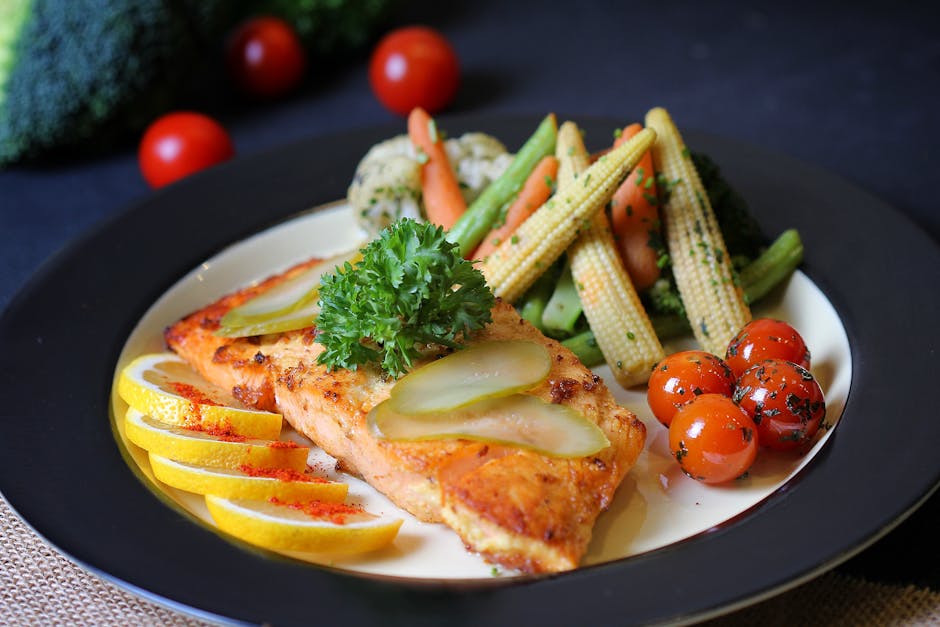
- Protein (20–25% of calories): Critical to preserve muscle mass. Prioritize fish (especially omega-3-rich mackerel, salmon, sardines), tofu, eggs, and legumes. Limit red meat to twice weekly maximum.
- Healthy fats (30–35% of calories): Olive oil, avocado, nuts, and seeds. These simultaneously support heart health and help slow glucose absorption from meals.
- Sodium: Target under 1,500–2,000 mg/day (the American Heart Association’s 2026 guideline for high-risk elderly). This is about ¾ of a teaspoon of salt total — across everything.
- Potassium & Magnesium: Natural blood pressure regulators. Leafy greens, bananas (in moderation if kidney function is normal), and pumpkin seeds are excellent sources.
- Fiber: Aim for 25–30g daily. Fiber slows glucose spikes and supports gut health, which emerging 2026 research links directly to insulin sensitivity.
Real-World Examples: What Works Globally and Locally
Let’s look at how different communities have successfully tackled this challenge — because context matters enormously.
South Korea’s Senior Care Nutritional Program (2024–2026): The Korean Ministry of Health and Welfare expanded its “Silver Nutrition Plus” program in 2025, delivering tailored meal boxes to elderly chronic disease patients. The program specifically reformulated traditional dishes — reducing sodium in fermented foods like doenjang (soybean paste) by 40% through alternative fermentation methods — without sacrificing the cultural comfort these foods provide. Participant HbA1c levels (the key long-term blood sugar marker) improved by an average of 0.6% over 12 months. The lesson? Culturally adapted interventions outperform generic Western diet templates every single time.
Japan’s “Food as Medicine” Elder Care Model: Japan, with the world’s highest proportion of centenarians, has institutionalized washoku (traditional Japanese cuisine) as a therapeutic diet framework. The Okinawan dietary pattern — high in purple sweet potato, tofu, bitter melon (goya), and seaweed — naturally aligns with low-GI, low-sodium, high-fiber principles. Bitter melon, in particular, contains compounds (charantin and polypeptide-p) that mimic insulin activity. Japanese geriatric clinics now formally incorporate these foods into diabetes management protocols.
Mediterranean Elderly Cohorts (Spain, Greece, Italy): The PREDIMED-Plus trial, which continued publishing follow-up data into 2026, consistently shows that elderly Mediterranean diet adherents with metabolic syndrome experience better blood pressure control and glycemic regulation than those on low-fat diets alone. The key differentiator is the quality of fat — generous extra-virgin olive oil, not avoidance of fat altogether.
Practical Day-to-Day Strategies That Actually Stick
Here’s where we get real. Knowing what to eat is one thing. Actually doing it when you’re 70, possibly living alone, managing medications, and operating on a budget is another challenge entirely. Let’s reason through some realistic adaptations:
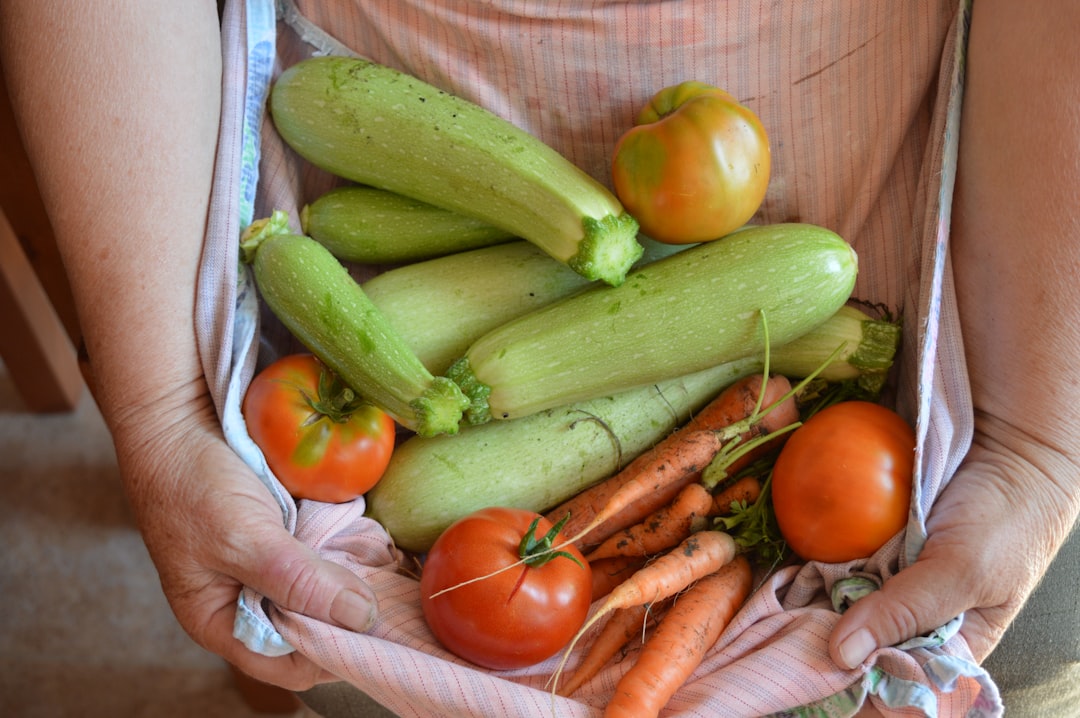
- The “Half Plate” Rule: Fill half your plate with non-starchy vegetables at every meal — spinach, broccoli, zucchini, cucumber. This automatically controls portion density without calorie counting.
- Batch cooking on good days: Energy and mobility fluctuate. Cook large batches of beans, lentils, or brown rice on high-energy days and refrigerate in portions for 3–4 days.
- Sodium awareness without obsession: Instead of measuring every grain of salt, adopt a simple rule: no added salt at the table, use herbs (garlic, ginger, turmeric, rosemary) as flavor anchors, and choose “low sodium” labeled products when available.
- Glucose-friendly meal sequencing: A 2025 study in Diabetes Care confirmed that eating vegetables and protein before carbohydrates in a meal reduces post-meal glucose spikes by up to 37%. A simple habit with a significant impact.
- Hydration as a management tool: Chronic mild dehydration concentrates blood glucose. Aim for 6–8 glasses of water daily. Herbal teas (unsweetened barley tea, chamomile) count and are culturally familiar for many Asian seniors.
- Monitor, don’t obsess: Home blood glucose monitoring 2 hours after meals helps identify personal “trigger foods” — everyone’s glycemic response is slightly different. A continuous glucose monitor (CGM), now widely covered by Korean National Health Insurance for Type 2 diabetics over 65 as of 2026, makes this even easier.
When Standard Advice Doesn’t Fit: Realistic Alternatives
Let’s be honest — not every elderly person can follow textbook dietary guidelines. Here’s how to adapt:
For those with chewing difficulties (dysphagia): Soft-cooked legumes, silken tofu, well-cooked fish, blended vegetable soups, and yogurt (unsweetened, plain) provide nutrition without chewing strain. Avoid the trap of reverting to soft white rice and white bread — these spike blood sugar rapidly.
For those on very tight budgets: Canned fish (tuna, sardines in water), dried lentils, seasonal vegetables, and eggs are among the most cost-effective, nutritionally dense foods available. A week of diabetes-and-hypertension-friendly eating doesn’t require expensive superfoods.
For those who struggle with appetite: Smaller, more frequent meals (5–6 small meals vs. 3 large ones) can maintain glycemic stability while accommodating reduced hunger. Adding healthy fats like a small handful of almonds between meals keeps energy levels stable.
For those with early cognitive decline: Simplify, don’t complicate. A rotating menu of 7–10 familiar, already-adapted dishes is far more sustainable than a complex new food plan. Involve family caregivers in preparation when possible.
The overarching principle is this: the best diet is the one that the person can actually follow consistently over years, not the theoretically perfect one they abandon after two weeks.
Editor’s Comment : What strikes me most after researching this topic deeply is how much the medical and lifestyle communities still underestimate the personalization gap in elderly chronic disease management. We hand people a pamphlet and expect them to reshape 70 years of eating habits. The science is actually quite clear in 2026 — combining DASH and Mediterranean principles, prioritizing low-GI foods, and preserving cultural food identity works. But the delivery of that advice needs to be as individualized as the person receiving it. If you’re caring for an older family member with diabetes and hypertension, my honest suggestion is this: sit down with a registered dietitian who specializes in geriatric nutrition at least once. It’s worth every penny, and in many countries, it’s now covered by public health insurance. Small, sustainable dietary shifts — not dramatic overhauls — are what actually add healthy years to a life.
태그: [‘elderly chronic disease diet’, ‘diabetes hypertension management’, ‘senior nutrition guide 2026’, ‘DASH diet for seniors’, ‘low glycemic index diet’, ‘blood pressure diet plan’, ‘geriatric diabetes meal plan’]