My neighbor Mrs. Kim turned 68 last spring, and for years she’d been managing three chronic conditions simultaneously — type 2 diabetes, hypertension, and early-stage osteoarthritis. She told me once, almost laughing, “I didn’t realize I was collecting diagnoses like souvenirs.” But after committing to a structured prevention and lifestyle plan in early 2026, her doctor reduced one of her medications entirely. Her story isn’t magic — it’s methodology. And that’s exactly what we’re going to dig into today.
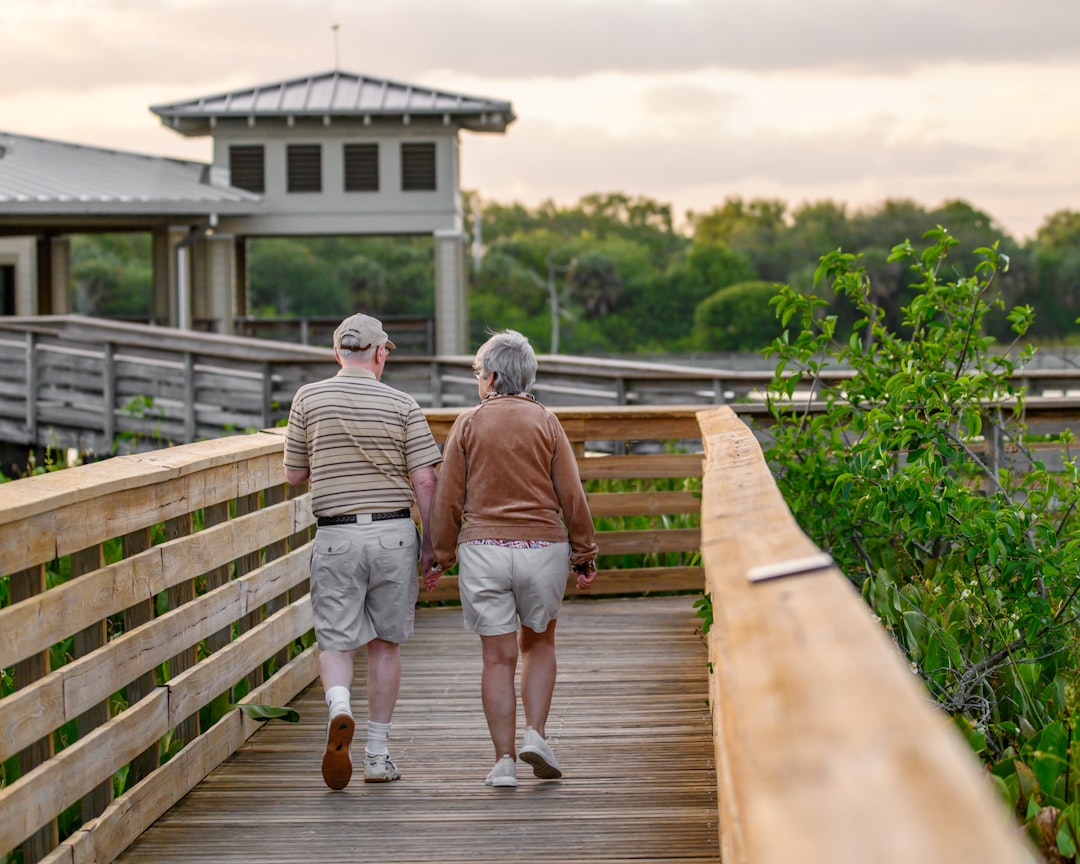
Why Chronic Disease Prevention After 65 Is More Urgent Than Ever
Let’s look at the numbers honestly. According to the World Health Organization’s 2026 Healthy Aging Report, approximately 80% of adults over 65 worldwide live with at least one chronic condition, and nearly 50% manage two or more simultaneously — a phenomenon clinicians call multimorbidity. In South Korea specifically, the National Health Insurance Service reported in early 2026 that chronic disease management costs for seniors now account for over 38% of total national healthcare expenditure. These aren’t just statistics — they represent real quality-of-life consequences.
The most common chronic conditions affecting adults 65 and older include:
- Hypertension (High Blood Pressure) — affects roughly 70% of adults over 65 globally
- Type 2 Diabetes — prevalence rises sharply after age 60, with insulin resistance compounding metabolic slowdown
- Osteoarthritis — cartilage degradation accelerates significantly post-65
- Cardiovascular Disease — the leading cause of mortality in this age group worldwide
- Cognitive Decline / Early Dementia — affecting an estimated 1 in 6 people over 80 globally
- Chronic Kidney Disease (CKD) — often silently progressing alongside diabetes and hypertension
- Osteoporosis — bone density loss that dramatically increases fracture risk
Here’s the empowering part: research consistently shows that lifestyle interventions can delay onset or significantly reduce severity for all of the above. Let’s think through what that actually looks like in practice.
Movement as Medicine: What Kind of Exercise Actually Helps
Not all exercise is created equal when we’re talking about chronic disease prevention in older adults. The 2026 American College of Sports Medicine (ACSM) guidelines updated their recommendations specifically for the 65+ demographic, emphasizing functional movement over high-intensity training.
Think of it this way: the goal isn’t to become an athlete — it’s to preserve independence, balance, and metabolic function. The sweet spot for most seniors includes:
- Aerobic activity: 150 minutes of moderate-intensity per week (brisk walking, swimming, cycling)
- Resistance training: 2–3 sessions per week targeting major muscle groups — this is critical for preventing sarcopenia (muscle mass loss)
- Balance exercises: Tai chi, yoga, or simple single-leg standing — reduces fall risk by up to 23% according to a 2025 Cochrane Review
- Flexibility work: Daily gentle stretching to maintain joint mobility and reduce arthritis discomfort
The realistic alternative for those with mobility limitations? Chair-based resistance exercises and aquatic therapy have shown nearly equivalent benefits to weight-bearing exercise for blood sugar regulation and cardiovascular health. Don’t let “I can’t do what I used to” become a reason to do nothing.
Nutrition Strategy: Eating for Longevity, Not Just Calories
Here’s something that surprises a lot of people — malnutrition and overnutrition can coexist in the elderly. Many seniors consume adequate calories but are deficient in critical micronutrients due to reduced food variety, medication interactions, or decreased digestive absorption efficiency.
Key nutritional pillars for chronic disease prevention in 2026:
- Protein adequacy: Seniors need 1.2–1.6g of protein per kg of body weight daily (higher than the general adult recommendation) to combat sarcopenia
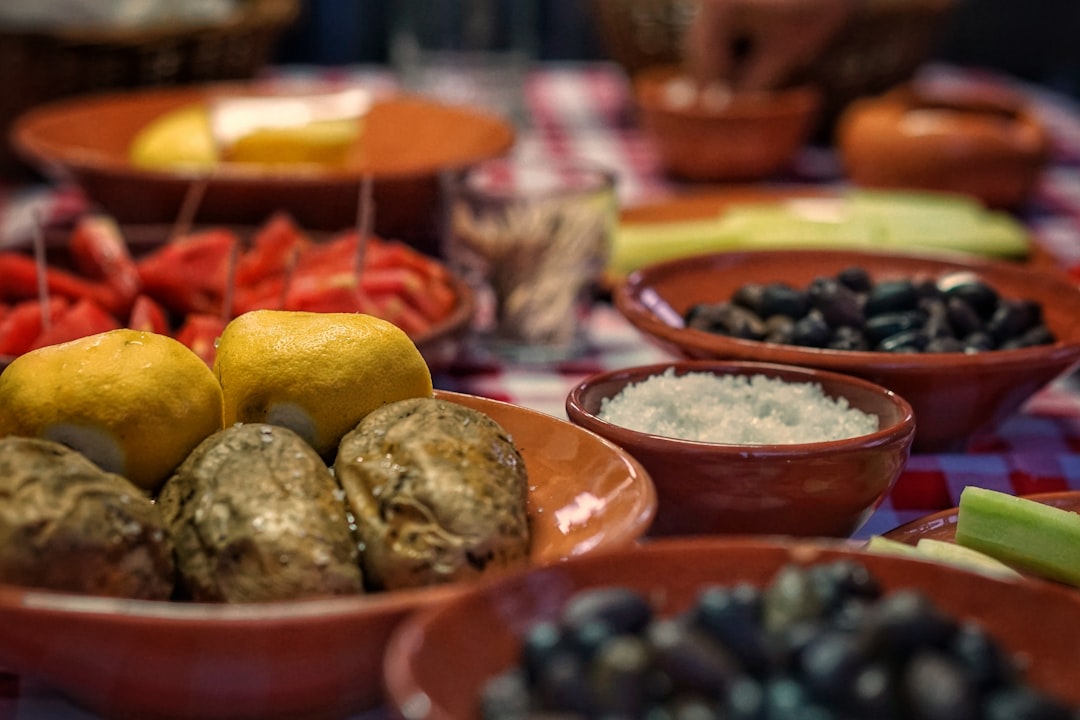
- Anti-inflammatory foods: Mediterranean-style eating patterns — olive oil, fatty fish, legumes, colorful vegetables — consistently show reduced cardiovascular and cognitive disease risk
- Sodium reduction: Keeping intake under 2,000mg daily is particularly impactful for hypertension management
- Calcium and Vitamin D: Essential for bone health; many seniors are chronically deficient, especially in northern latitudes
- Fiber intake: 25–30g daily supports gut microbiome health, blood sugar stability, and cardiovascular protection
Global and Domestic Examples Leading the Way in 2026
Let’s look at what’s actually working around the world — because real-world programs offer some of the most compelling evidence.
Japan’s Keiro Week Initiative (2026 expansion): Japan, with the world’s highest proportion of centenarians, expanded its national “Keiro no Hi” healthy aging program in 2026 to include community-based functional fitness centers specifically for the 65+ population. Early data from the expanded program shows a 14% reduction in new hypertension diagnoses among participants within 18 months.
South Korea’s Senior Health Management Centers: Korea’s 보건복지부 (Ministry of Health and Welfare) operates over 260 dedicated senior health centers nationwide. In 2026, these centers integrated AI-assisted blood glucose monitoring tools that send personalized dietary recommendations directly to participants’ phones — bridging the gap between clinical data and daily behavior.
Finland’s North Karelia Model — Still Inspiring in 2026: This legendary public health campaign, originally launched decades ago, has become a global template. Finland’s continued community-based approach — where chronic disease prevention is embedded in social infrastructure rather than left to individual willpower — has maintained cardiovascular mortality rates among the lowest in Europe for the 65+ group.
Singapore’s Health Promotion Board (HPB) Active Aging Index: Singapore rolled out an updated Active Aging Index in 2026, gamifying preventive health behaviors for seniors through a points-based system linked to community rewards. Engagement among the 65–74 age bracket increased by 31% year-over-year — proving that social motivation and technology can work together powerfully.
Mental Health and Cognitive Prevention: The Underrated Pillar
We can’t talk about chronic disease prevention without addressing brain health. Chronic social isolation — still a significant issue post-pandemic — is now classified by the WHO as a risk factor equivalent to smoking 15 cigarettes a day in terms of mortality impact. For seniors specifically, loneliness accelerates cognitive decline and worsens outcomes for nearly every physical chronic condition through stress hormone pathways.
Practical strategies that have solid evidence behind them:
- Social engagement programs: Community centers, volunteer work, intergenerational activities
- Cognitive stimulation: Learning new skills (a language, an instrument, a craft) — novelty matters more than puzzle repetition
- Sleep prioritization: 7–8 hours of quality sleep is directly linked to amyloid plaque clearance in the brain — a key dementia prevention mechanism
- Stress management: Mindfulness-based stress reduction (MBSR) programs show measurable reductions in inflammatory markers in adults over 65
Preventive Health Screenings: Know Your Numbers
Prevention isn’t only about what you do — it’s also about what you detect early. In 2026, most major health organizations recommend the following regular screenings for adults 65+:
- Blood pressure check: at least every 6 months
- Fasting blood glucose / HbA1c: annually
- Lipid panel (cholesterol): every 1–2 years
- Bone density scan (DEXA): every 2 years, especially for women post-menopause
- Cognitive screening (brief assessments): annually from age 70+
- Colorectal cancer screening: per physician guidance
- Vision and hearing checks: annually — both are strongly linked to fall risk and cognitive decline when left unaddressed
Realistic Alternatives: When the “Ideal” Plan Isn’t Accessible
Let’s be honest — not everyone has access to a community fitness center, a nutritionist, or a wearable health tracker. So what do realistic alternatives look like?
- Budget-friendly movement: Walking is free and remarkably effective. Even 7,000–8,000 steps daily significantly reduces all-cause mortality risk in older adults per 2025 JAMA Internal Medicine data
- Low-tech nutrition wins: Eggs, legumes, canned fish, and seasonal vegetables provide excellent nutrition at low cost — no specialty health food store required
- Telehealth options: Many chronic disease management consultations are now covered by national insurance in both Korea and the US for senior patients — worth checking eligibility
- Family involvement: Caregivers who actively participate in a senior’s prevention plan see dramatically better adherence rates — this is a team sport, not a solo effort
- Free digital resources: The WHO’s Integrated Care for Older People (ICOPE) app, updated in 2026, offers free personalized health assessments and lifestyle guidance in multiple languages
The bottom line here is that chronic disease prevention at 65 and beyond isn’t about achieving perfection — it’s about making consistent, incremental choices that compound over time. Mrs. Kim didn’t overhaul her entire life overnight. She started with a 20-minute walk after dinner. Then she swapped her late-night salty snacks for a small bowl of edamame. Small pivots, sustained over months, created clinically measurable change.
That’s the real story of healthy aging in 2026 — and it’s one that’s available to far more people than we often assume.
Editor’s Comment : What strikes me most about chronic disease prevention for seniors isn’t the complexity of the science — it’s how often the most powerful interventions are also the most human ones: moving with others, eating real food, sleeping well, and staying connected. The data in 2026 is clearer than ever, but the wisdom has always been there. If you’re supporting an older loved one or navigating this yourself, start with one small, sustainable change this week. That single step has more power than any supplement on the market.
태그: [‘chronic disease prevention over 65’, ‘healthy aging 2026’, ‘senior health tips’, ‘elderly lifestyle medicine’, ‘disease prevention for seniors’, ‘aging and nutrition’, ‘cognitive decline prevention’]