Let me paint you a picture. It’s early 2026, and you’re watching the news — copper prices are surging due to the global EV manufacturing boom, gold is holding firm amid geopolitical uncertainty, and oil markets are doing their usual unpredictable dance. Your friend who invested in a commodity ETF two years ago is quietly smiling. You, meanwhile, are wondering: “How do I even get started with this?”
If that scenario resonates, you’re in exactly the right place. Commodity (원자재) ETFs — exchange-traded funds that track raw materials like metals, energy, and agricultural products — can be a surprisingly approachable and powerful tool for portfolio diversification. The keyword is approachable, because we’re going to reason through this together, step by step, not just throw jargon at you.
What Exactly Is a Commodity ETF, and Why Should Beginners Care?
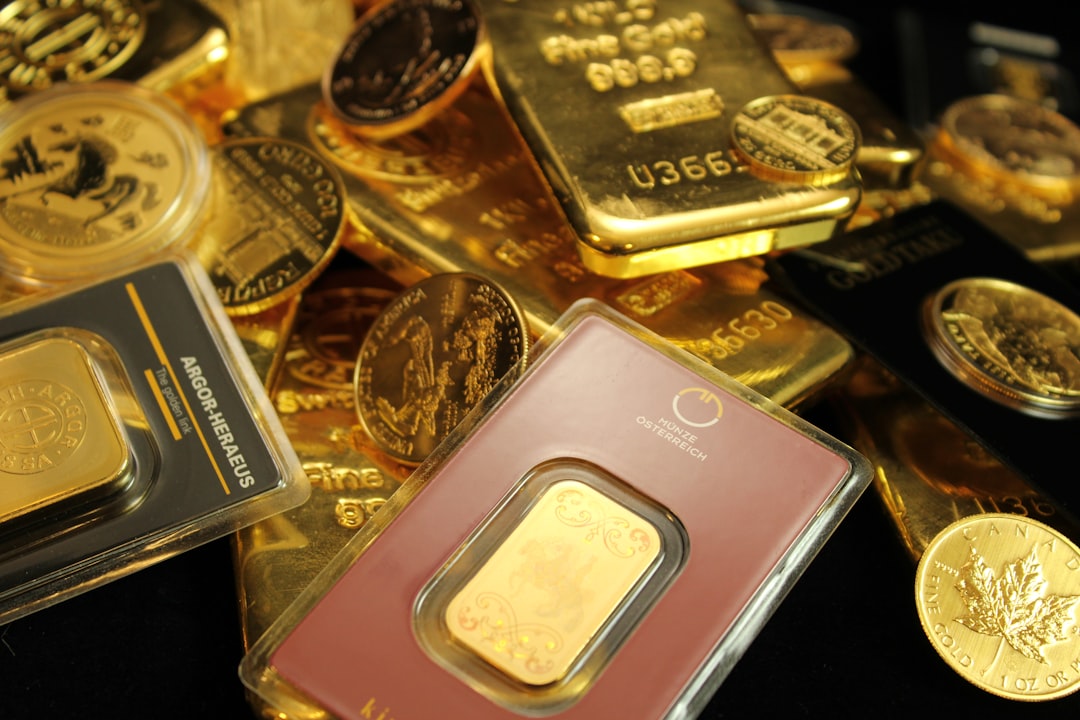
A commodity ETF is essentially a basket that holds exposure to raw materials — either through physical holdings (like gold bars in a vault) or futures contracts (agreements to buy/sell a commodity at a future date). You buy shares of this basket on a stock exchange, just like you’d buy Apple or Samsung stock.
Here’s why this matters for you as a beginner: commodity ETFs let you invest in raw material markets without needing to store barrels of oil in your garage or negotiate futures contracts with commodity traders. The ETF structure handles all of that complexity for you.
As of March 2026, the global commodity ETF market has grown to approximately $380 billion in assets under management — a figure that has nearly doubled since 2021, driven largely by inflation hedging demand and the critical minerals supercycle tied to clean energy infrastructure.
The Three Main Categories of Commodity ETFs You Need to Know
- Precious Metals ETFs: Think gold (GLD, IAU) and silver (SLV). These are the classic inflation hedges and safe-haven plays. In 2026, gold has maintained strong institutional demand, hovering around $2,800–$3,000/oz territory as central banks continue diversifying reserves away from USD-heavy portfolios.
- Energy Commodity ETFs: These track crude oil (USO), natural gas (UNG), or broad energy baskets. Energy ETFs carry higher volatility due to geopolitical sensitivity and OPEC+ production decisions — great for tactical plays, but tricky for long-term holds due to something called “contango decay” (more on this shortly).
- Agricultural & Broad Commodity ETFs: Products like DJP or PDBC track diversified baskets including wheat, corn, soybeans, copper, and more. These offer the widest diversification within the commodity space and tend to be more beginner-friendly in terms of volatility management.
The Contango Problem — The Critical Concept Most Beginners Miss
Here’s where I want to stop and think with you for a moment, because this trips up almost every new commodity ETF investor.
Most commodity ETFs don’t actually hold the physical commodity. They hold futures contracts, which expire monthly. When a contract expires, the ETF must “roll” into the next month’s contract. If the future price is higher than today’s price (a situation called contango), this rolling costs money — quietly eroding your returns even when the underlying commodity price is flat or rising slightly.
Real example: Between 2020 and 2022, USO (the U.S. Oil ETF) notoriously underperformed actual crude oil prices due to severe contango conditions. A commodity could rise 20%, yet the ETF tracking it might only gain 8-12%. This isn’t fraud — it’s structural mechanics. Knowing this helps you choose smarter.
Beginner strategy tip: Prefer physically-backed ETFs (common with gold and silver) or use optimized-roll ETFs like PDBC, which algorithmically minimize contango drag by selecting futures contracts from across different expiration months.
International and Domestic Examples Worth Studying in 2026
Let’s ground this in real-world examples that are relevant right now:
Global example — iShares Gold Trust (IAU): One of the most liquid gold ETFs on U.S. markets, IAU holds physical gold and charges just 0.25% annually. For a Korean investor (투자자) accessing global markets through platforms like Mirae Asset or Kiwoom Securities’ global trading service, IAU remains a top-tier entry point into precious metals. As of early 2026, its 3-year annualized return stands around 11–14%, outpacing many equity benchmarks.
Domestic Korea example — KODEX 골드선물(H): Listed on the Korea Exchange (KRX), this ETF provides gold futures exposure with currency hedging (H = hedged against KRW/USD fluctuation). It’s ideal for Korean investors who want gold exposure without worrying about the won-dollar exchange rate adding another layer of volatility. The hedged version has shown notably smoother performance during periods of sharp KRW depreciation.
Critical minerals play — Sprott Uranium Miners ETF (URNM): One of 2026’s most discussed commodity-adjacent ETFs. As South Korea, Japan, and the EU accelerate nuclear power expansion to meet carbon neutrality targets, uranium demand has surged. URNM is technically a mining equity ETF rather than a pure commodity ETF, but it behaves much like one and offers indirect commodity exposure with potentially higher upside.

Building Your First Commodity ETF Portfolio: A Logical Framework
Let’s think through this practically. Rather than randomly picking one commodity ETF, consider a tiered approach based on your risk tolerance:
- Conservative (5–10% of total portfolio): Allocate primarily to physically-backed gold ETF (IAU or KODEX 골드선물(H)). Low volatility, proven inflation hedge, highly liquid. Think of this as your financial “insurance policy.”
- Moderate (10–15% of total portfolio): Add a diversified broad commodity ETF like PDBC (Invesco Optimum Yield Diversified Commodity No K-1 ETF) alongside your gold holding. This gives you exposure across energy, metals, and agriculture while PDBC’s optimized rolling strategy reduces contango drag.
- Growth-oriented (15–20% of total portfolio): Consider adding a tactical position in a specific commodity theme — uranium, copper (via CPER), or agricultural commodities — based on your macro thesis. These require more monitoring and conviction.
- Rebalancing rule: Set a calendar reminder to review your commodity allocation every six months. Commodities are cyclical by nature, and letting any single position grow to dominate your portfolio can introduce concentration risk you didn’t intend.
Tax Considerations You Shouldn’t Skip
In Korea, ETFs traded on foreign exchanges (like NYSE or NASDAQ) are subject to overseas financial income tax (해외금융소득세) if annual gains exceed KRW 2.5 million. Some commodity ETFs structured as partnerships (K-1 reporting forms in the U.S.) can create additional tax complexity for foreign investors. PDBC was specifically designed as a “No K-1” ETF to sidestep this — a meaningful practical advantage worth knowing about.
Realistic Alternatives: When Commodity ETFs Might Not Be Right for You
Let’s be honest with each other here. Commodity ETFs aren’t a universal solution. If you’re investing a small monthly amount (under KRW 200,000/month equivalent), the added complexity and FX transaction costs of accessing global commodity ETFs might outweigh the benefits at this stage. In that case, consider:
- Alternative 1: A multi-asset ETF (like TIGER 글로벌멀티에셋TDF) that already includes commodity exposure as part of a diversified allocation — lower effort, similar diversification benefit.
- Alternative 2: Dividend-paying commodity producer stocks (e.g., mining companies or energy majors) instead of direct commodity ETFs. You get commodity price sensitivity plus dividend income, which pure commodity ETFs don’t pay.
- Alternative 3: Start with domestic commodity ETFs on KRX before venturing into overseas platforms. Lower transaction fees, no FX conversion needed, and Korean-language customer support when questions arise.
The point is: the goal isn’t to own a commodity ETF specifically — the goal is portfolio resilience and diversification. There are multiple roads to that destination, and the right one depends on your account size, tax situation, and how much time you want to spend monitoring positions.
Editor’s Comment : Commodity ETFs in 2026 sit at a genuinely interesting crossroads — the clean energy transition is creating structural demand for metals like copper and lithium, geopolitical fragmentation keeps safe-haven assets relevant, and inflation volatility hasn’t fully disappeared from the global economic backdrop. As a beginner, the single most important move isn’t picking the “perfect” commodity ETF — it’s understanding why you’re adding commodity exposure and what role it plays in your broader strategy. Start small, stay curious about the mechanics (especially contango), and resist the urge to chase the commodity headline of the month. Slow, deliberate positioning almost always beats reactive trading in these markets.
태그: [‘commodity ETF investing’, ‘raw materials ETF 2026’, ‘gold ETF strategy’, ‘beginner ETF guide’, ‘원자재 ETF’, ‘commodity portfolio diversification’, ‘inflation hedge ETF’]