Let me paint you a picture. It’s early 2026, and a friend of mine — a mid-career software engineer with a decent savings cushion — asked me over coffee: “I keep hearing about commodity ETFs, but every time I try to research them, I feel like I’m reading a foreign language. Where do I even start?” Sound familiar? You’re not alone. Commodity (raw material) ETFs have quietly become one of the most discussed investment vehicles this year, and for good reason. With geopolitical tensions reshaping supply chains, the clean energy transition accelerating, and inflation still playing its unpredictable games, raw materials are back in the spotlight in a big way.
So let’s think through this together — no jargon overload, just clear reasoning about what’s actually happening in the commodity ETF space in 2026 and which options might actually make sense for your situation.
Why Commodity ETFs Matter More Than Ever in 2026
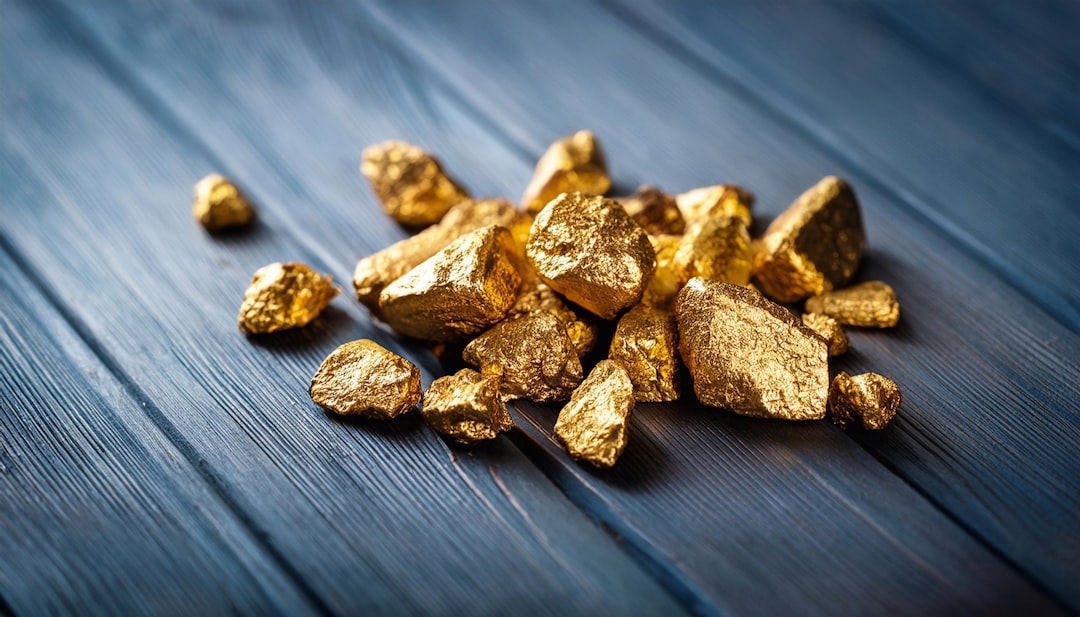
First, let’s get the basics straight. A commodity ETF (Exchange-Traded Fund) is a fund that tracks the price of one or more raw materials — think gold, oil, copper, natural gas, wheat, or lithium — and trades on a stock exchange just like a regular stock. You don’t need to store a barrel of oil in your garage; you simply buy shares that reflect the asset’s price movement.
Here’s why 2026 is a particularly interesting year to be looking at these:
- Energy transition demand: The global push toward EVs and renewable infrastructure has sent demand for copper, lithium, and rare earth metals soaring. According to the International Energy Agency’s 2025 outlook, copper demand from clean energy sectors alone is projected to grow 40% by 2030.
- Dollar dynamics: With the U.S. Federal Reserve navigating a complex rate environment in early 2026, commodities — which are typically priced in USD — have become a popular hedge against currency fluctuation.
- Supply chain fragility: Post-pandemic supply restructuring and ongoing geopolitical friction (particularly around critical minerals) means price volatility in raw materials remains elevated — which creates both risk AND opportunity.
- Inflation hedging: Commodities have historically moved inversely to bond performance during inflationary periods, making them an attractive portfolio diversifier.
The Top Commodity ETF Categories Worth Exploring in 2026
Let’s break this down by category, because “commodity ETF” is actually a pretty wide umbrella:
1. Broad Commodity ETFs
These track a basket of multiple commodities — energy, metals, and agriculture — giving you diversified exposure without betting on a single resource. Examples include funds benchmarked to the Bloomberg Commodity Index (BCOM) or the S&P GSCI. The logic here is simple: if oil dips but gold surges, your losses are cushioned. For a beginner or cautious investor, this is often the most sensible starting point.
2. Precious Metals ETFs (Gold & Silver)
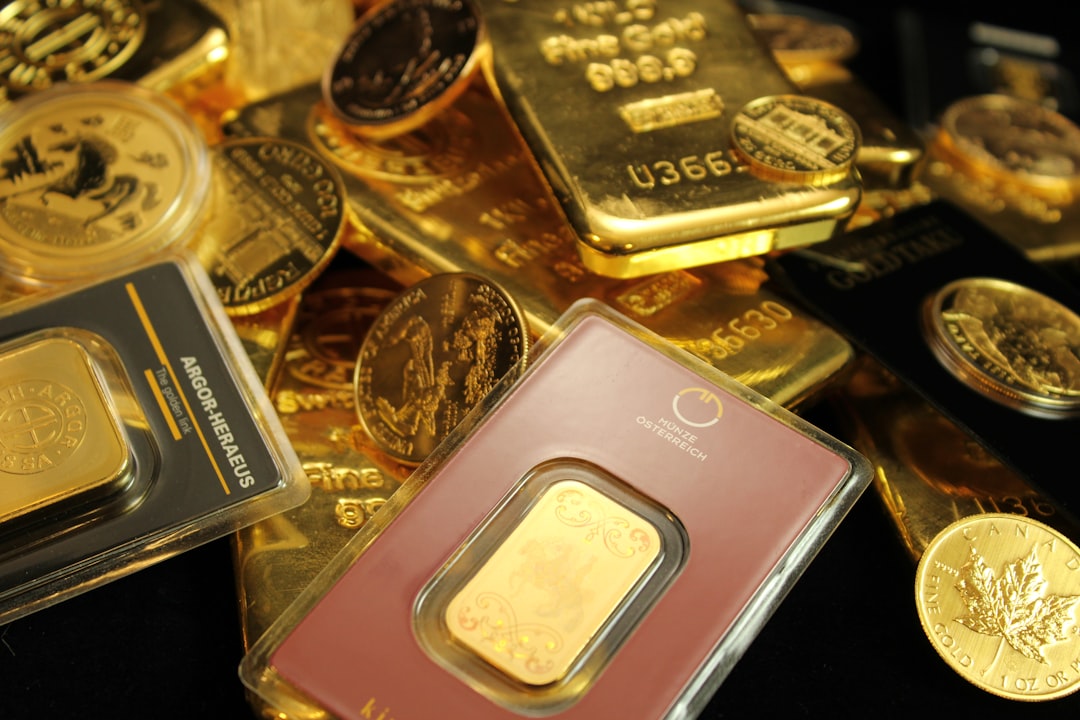
Gold ETFs remain the classic safe-haven play. In early 2026, gold has continued trading in historically elevated territory (hovering above $2,800/oz as of Q1 2026), driven by central bank accumulation — particularly from BRICS-aligned nations diversifying away from USD reserves. Silver ETFs have also drawn attention as silver straddles both investment demand and industrial use in solar panels.
Notable tickers to research: GLD (SPDR Gold Shares), IAU (iShares Gold Trust), SLV (iShares Silver Trust).
3. Energy Commodity ETFs (Oil & Natural Gas)
Oil ETFs like USO (United States Oil Fund) or UNG (United States Natural Gas Fund) are high-volatility instruments. One important nuance here: many oil ETFs use futures contracts rather than holding physical oil, which means they can experience “contango drag” — a gradual erosion of value when near-term futures are cheaper than longer-dated ones. This is a critical detail that many beginners miss. If you’re considering energy ETFs, understanding futures roll costs is non-negotiable.
4. Industrial & Green Metals ETFs (Copper, Lithium, Rare Earths)
This is arguably the most exciting space in 2026. The energy transition has created structural demand for copper and lithium that traditional mining supply simply struggles to keep up with. ETFs like COPX (Global X Copper Miners ETF) or LIT (Global X Lithium & Battery Tech ETF) offer exposure here — though note these often hold mining company stocks rather than the physical metal, adding equity market risk to the equation.
5. Agricultural Commodity ETFs
From wheat to soybeans to coffee, agricultural ETFs tend to be driven by weather patterns, trade policy, and population growth. DBA (Invesco DB Agriculture Fund) is a commonly referenced example. Climate volatility in 2025-2026 has made agricultural commodities notably unpredictable, which cuts both ways.
Real-World Examples: How Investors Are Using These in 2026
Let’s look at a few concrete scenarios:
The Korean Retail Investor Perspective: In South Korea, interest in raw material ETFs has surged through platforms like Kiwoom Securities and Mirae Asset, particularly for gold and copper-linked products. Korean investors have historically favored gold as a hedge (partially cultural, partially practical), and 2026 has seen ETF products from TIGER (Mirae Asset) and KODEX (Samsung Asset Management) offering Korean won-denominated exposure to global commodity indices — reducing currency conversion friction for domestic investors.
The U.S. Retail Investor Angle: On platforms like Fidelity and Schwab, broad commodity ETFs like PDBC (Invesco Optimum Yield Diversified Commodity Strategy) have gained traction because they avoid the K-1 tax form complexity that many futures-based ETFs trigger. For American investors worried about tax season headaches, this practical detail matters enormously.
The Portfolio Diversification Play: A common approach among fee-only financial advisors in 2026 is allocating 5-10% of a balanced portfolio to commodity ETFs specifically as an inflation hedge and equity uncorrelation tool — not as a primary growth engine. This framing is important: commodity ETFs are typically a portfolio seasoning, not the main course.
What to Watch Out For: Honest Risk Assessment
- Futures roll risk: As mentioned, futures-based ETFs can underperform the spot price of the commodity itself over time due to contango. Always check whether an ETF holds physical assets or futures.
- Currency exposure: Non-U.S. investors buying USD-denominated ETFs carry an additional layer of currency risk that can amplify or dampen returns independently of commodity prices.
- Concentration risk in “green metals” ETFs: Many lithium and rare earth ETFs are heavily weighted toward a handful of companies or geographies (often Australia and Chile), which can create unexpected concentration.
- Liquidity variance: Niche agricultural or single-commodity ETFs may have lower trading volumes, leading to wider bid-ask spreads — a hidden cost that compounds over time for active traders.
- Geopolitical sensitivity: Many critical minerals are sourced from politically complex regions. Supply disruptions can cause sharp, rapid price movements — great if you’re positioned correctly, painful if not.
Realistic Alternatives If Commodity ETFs Feel Too Risky
Not everyone needs to go direct into commodity ETFs, and that’s perfectly fine. Here are some adjacent approaches worth considering:
- Commodity producer stocks or ETFs: Instead of tracking raw material prices directly, you invest in the companies that mine or produce them. XME (SPDR S&P Metals & Mining ETF) or XLE (Energy Select Sector SPDR) blend commodity exposure with business fundamentals, which some investors find more intuitive to evaluate.
- Inflation-protected bonds (TIPS): If your primary goal is inflation hedging rather than commodity price speculation, U.S. Treasury Inflation-Protected Securities or related ETFs like TIPS from iShares offer a lower-volatility path.
- Multi-asset funds with commodity allocation: Some target-date or balanced funds already include a commodity allocation. Before adding a standalone commodity ETF, check what you already own — you might have more exposure than you realize.
- REITs with commodity linkage: Timberland REITs or infrastructure REITs connected to energy pipelines offer indirect commodity exposure with dividend income — a more income-oriented approach.
The bottom line? Commodity ETFs in 2026 are genuinely compelling tools for the right investor in the right context. But “right” is doing a lot of work in that sentence. Your investment horizon, risk tolerance, tax situation, and existing portfolio composition all shape whether a broad commodity ETF, a targeted green metals play, or simply a commodity-producer equity ETF makes the most sense for you. The exciting thing is that you now have more well-structured, accessible products to choose from than ever before.
Start with your why — hedging? Growth? Diversification? — and let that question guide which category of commodity ETF actually fits your story.
Editor’s Comment : Commodity ETFs are one of those investment categories where the devil is genuinely in the details — futures vs. physical, currency exposure, expense ratios, and tax treatment can all meaningfully change your real-world return. My honest advice? Before committing capital, spend 20 minutes reading a specific ETF’s prospectus summary (yes, really — the one-page version is actually readable) and check its 3-year performance versus its benchmark commodity price. That gap will tell you a lot about how efficiently it delivers what it promises. Commodity markets reward the patient and the informed — so take your time, stay curious, and don’t let the complexity intimidate you into paralysis.
태그: [‘commodity ETF 2026’, ‘raw material ETF investment’, ‘gold ETF’, ‘lithium ETF’, ‘best ETFs 2026’, ‘inflation hedge ETF’, ‘commodity investing guide’]