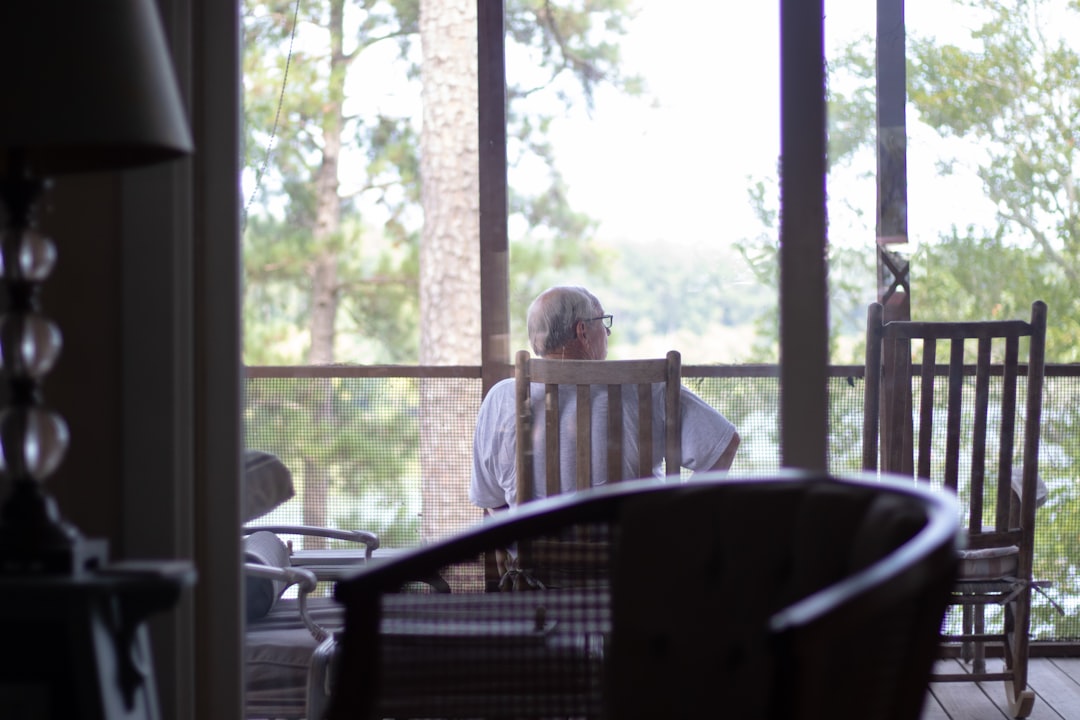
Let me paint a picture that might feel familiar. You’re visiting your 74-year-old father for Sunday dinner, and he’s technically fine — eating, watching TV, answering your questions. But something feels off. He used to crack jokes. He used to ask about your week. Now he just… exists in the room. Many families dismiss this as “just getting old,” but what they may actually be witnessing is one of the most underdiagnosed conditions in modern healthcare: elderly depression.
Here’s the uncomfortable truth — depression in older adults is not a normal part of aging, and yet it’s treated as such far too often. Let’s think through this together, because understanding it could genuinely change — or even save — someone’s life.
Why Elderly Depression Is So Easy to Miss
Depression in seniors doesn’t always look like sadness. That’s the first and most critical thing to understand. Unlike younger adults who may openly express hopelessness or despair, older adults often present with what clinicians call masked depression — where emotional symptoms are buried under physical complaints.
According to the World Health Organization’s 2026 mental health report, approximately 1 in 5 adults over the age of 60 experience some form of depression or anxiety, yet fewer than 30% receive any formal treatment. In South Korea, the Korea Institute for Health and Social Affairs reported in late 2025 that elderly depression rates had climbed to nearly 21.4% among those living alone — a figure deeply tied to the country’s rapidly aging population and persistent social isolation.
The Key Symptoms to Watch For
This is where it gets nuanced. Recognizing elderly depression requires you to look beyond the obvious. Here are the most common — and commonly overlooked — warning signs:
- Persistent fatigue or low energy — Often mistaken for a physical ailment or “just being tired.”
- Loss of interest in previously enjoyed activities — If your mother loved her garden but hasn’t touched it in weeks, that’s a flag.
- Increased focus on physical complaints — Headaches, joint pain, and digestive issues with no clear medical cause can be depression manifesting physically.
- Memory problems and difficulty concentrating — Sometimes confused with early dementia, this is a hallmark of late-life depression.
- Social withdrawal and silence — Pulling away from friends, family, or community groups.
- Changes in sleep patterns — Either sleeping excessively or suffering from insomnia.
- Expressions of worthlessness or being a “burden” — Seemingly casual comments like “I don’t want to be a bother” can carry serious weight.
- Neglecting personal hygiene or household tasks — A once-tidy person letting their environment deteriorate is a meaningful signal.
The Risk Factors That Amplify the Problem
Depression doesn’t arrive randomly. For older adults, it’s often triggered or worsened by a convergence of life circumstances. Think of it as a pressure cooker:
- Bereavement — Losing a spouse, sibling, or close friend is statistically one of the strongest predictors.
- Chronic illness — Conditions like diabetes, heart disease, or Parkinson’s are strongly correlated with depression.
- Social isolation — This has become especially pronounced in the post-pandemic years, where many elderly individuals developed entrenched patterns of solitude.
- Loss of independence — Giving up driving, relocating to assisted living, or depending on others for daily tasks deeply affects self-worth.
- Financial insecurity — Fixed incomes and rising costs in 2026 have added a layer of chronic stress for many retirees globally.
Real-World Examples: What Families Are Doing Differently
In Japan — a country where over 29% of the population is now over 65 — community health workers began piloting “depression screening visits” integrated into routine wellness check-ins for seniors. The Nagoya Health Bureau’s 2025 pilot program showed a 34% increase in early detection when family members were trained to use a simple 5-question screening tool during visits. The key insight? Families who were educated about what to look for dramatically improved outcomes.
In the United States, the AARP Foundation’s 2026 Family Caregiver Resource Initiative has shifted focus toward training family members rather than just healthcare providers. Their findings consistently show that a trusted family member expressing genuine concern is more likely to prompt a senior to seek help than a doctor’s recommendation alone — because the relationship matters.
Closer to home in South Korea, programs like Seoul’s “Silver Hope Line” — a community mental health outreach targeting isolated seniors — have demonstrated that even brief, consistent social contact (a weekly phone call, a monthly visit) significantly reduces depressive symptoms in adults living alone.
How Families Can Realistically Help
Let’s be honest: telling a family to “just be more supportive” is useless advice. What does that actually look like? Here are practical, realistic strategies:
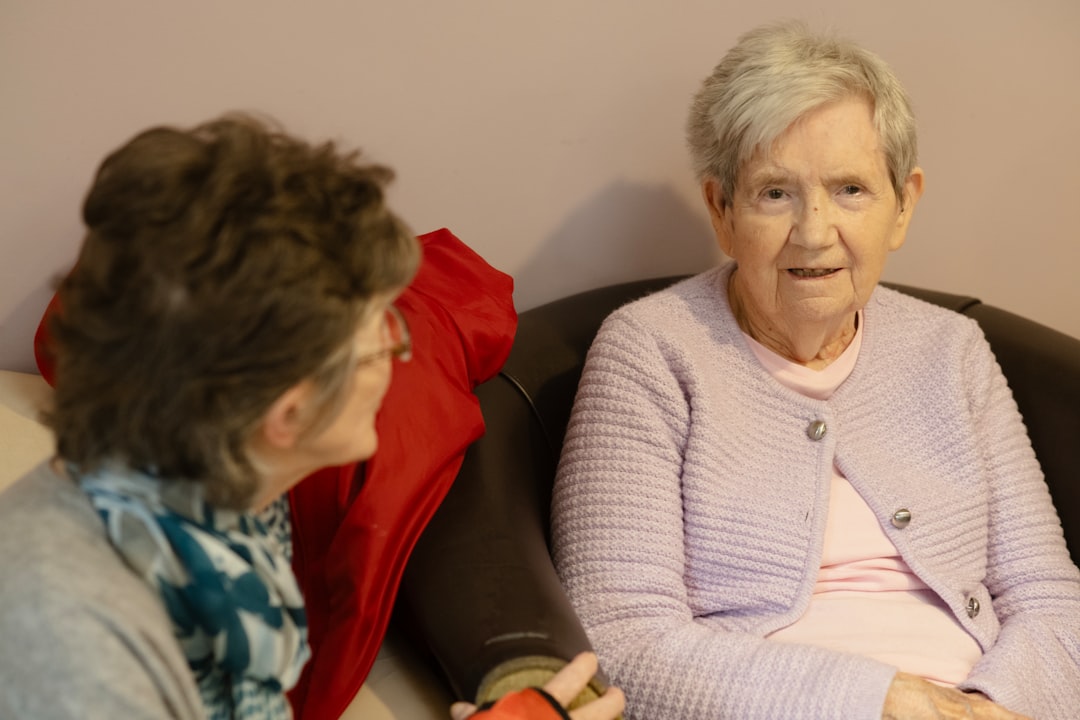
- Start with curiosity, not concern. Approaching a parent with “You seem sad, are you depressed?” can feel accusatory. Instead, try: “I’ve noticed you seem quieter lately. I’d love to hear what’s on your mind.” Curiosity opens doors; diagnosis closes them.
- Normalize the conversation about mental health. Many older adults grew up in an era where mental health was stigmatized. Framing depression as a medical condition — like high blood pressure — can reduce shame.
- Involve their primary care physician strategically. Ask the doctor privately to bring up mood as part of a routine check-up. Seniors are often more willing to discuss feelings when it’s framed as part of physical health monitoring.
- Create structured social opportunities rather than open invitations. “Come over whenever!” rarely works. A specific, regular plan — Tuesday lunches, a weekly walk — provides the consistency that genuinely combats isolation.
- Watch your own emotional responses. Caregivers frequently experience burnout and secondary depression. You cannot pour from an empty cup. Seek support through caregiver groups or counseling.
- Know the emergency signals. Any mention of not wanting to be alive, giving away possessions, or expressing that others would be better off without them requires immediate professional intervention — not a “wait and see” approach.
Treatment Options Worth Knowing
If professional support is needed, families should know that elderly depression is highly treatable. Effective approaches in 2026 include:
- Cognitive Behavioral Therapy (CBT) adapted for older adults — available in-person and via telehealth platforms, which have expanded significantly in recent years.
- Antidepressant medication — effective, but requires careful management due to interactions with other medications common in seniors.
- Lifestyle interventions — structured physical activity (even gentle walking) has robust evidence behind it as a mood regulator.
- Group therapy and peer support programs — particularly effective because they simultaneously address isolation.
The key is that treatment should be tailored. A 78-year-old with mobility issues needs a different approach than a recently retired 65-year-old. Working with a geriatric psychiatrist or a psychologist specializing in older adults makes a meaningful difference.
A Realistic Closing Thought
Here’s the alternative framework I want to leave you with: instead of waiting for a crisis, think of mental health check-ins with elderly loved ones the same way you think of annual physicals. Preventive, routine, and completely normal. The families who do this aren’t being alarmist — they’re being smart.
Depression in older adults is not inevitable, and it is not untreatable. But it does require people around them to stop confusing silence with contentment. If something feels off, it probably is. Trust that instinct and act on it — thoughtfully, compassionately, and soon.
Editor’s Comment : After researching this topic, what struck me most is how often elderly depression hides in plain sight — in the quiet dinners, the unanswered calls, the small withdrawals we rationalize away. In 2026, with so many resources available and so much more awareness around mental health, there’s really no reason a senior should be suffering in silence. The most powerful thing a family member can do? Simply show up consistently. Not with solutions — just with presence. That alone changes the neurochemistry of loneliness. Start there.
태그: [‘elderly depression symptoms’, ‘senior mental health 2026’, ‘how to help depressed elderly parent’, ‘late-life depression treatment’, ‘caregiver tips for elderly depression’, ‘aging and mental health’, ‘depression in older adults’]