Let me paint you a picture. It’s early 2026, and a friend of mine — a mid-level marketing manager in Seoul — calls me in a mild panic. She’d been watching the dollar strengthen against the won, commodity prices swinging wildly due to geopolitical tensions, and she had no idea how to make her savings work for her instead of just sitting there losing purchasing power. Sound familiar? If you’ve been even remotely paying attention to global markets, you’ve probably had a similar moment of ‘wait, what do I do with my money?’
That conversation is exactly why I want to dig into US commodity ETFs as a dollar-based investment vehicle today. Let’s think through this together — logically, practically, and honestly.
What Exactly Are US Commodity ETFs?
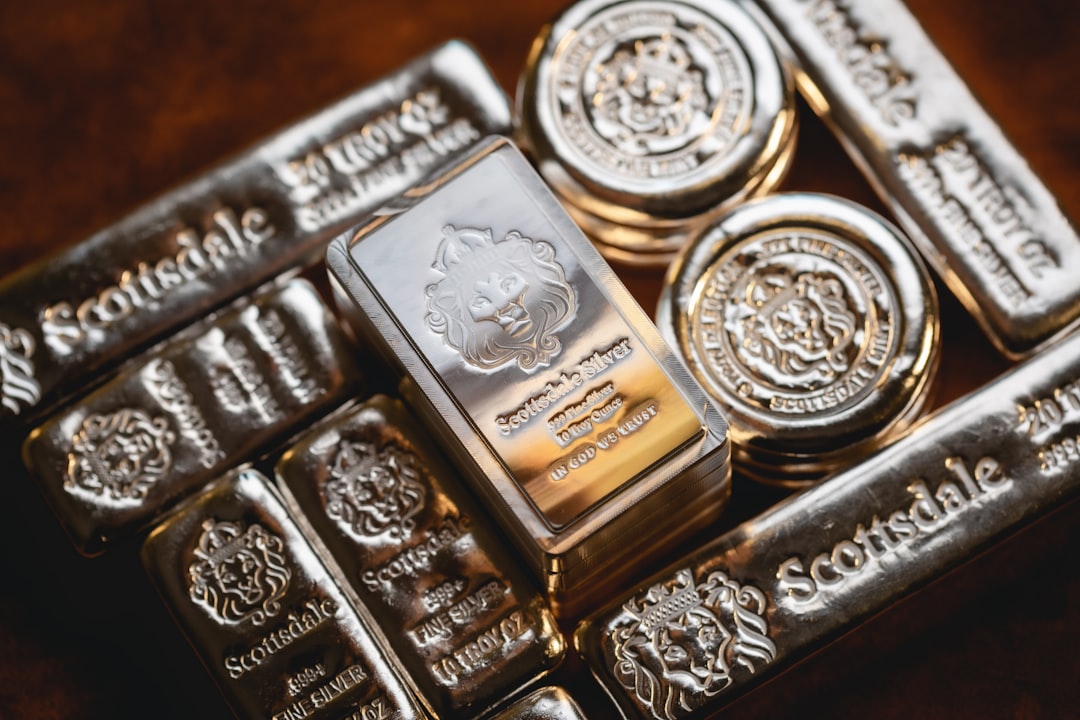
Before we get into the ‘should I?’ part, let’s make sure we’re on the same page about the ‘what.’ A commodity ETF (Exchange-Traded Fund) is a fund that tracks the price of raw materials — think gold, silver, crude oil, natural gas, copper, agricultural products like wheat and soybeans. When you invest in a US-listed commodity ETF, you’re essentially buying exposure to these physical goods without ever having to store a barrel of oil in your garage (thankfully).
The ‘dollar investing’ angle here is key. These ETFs are priced and traded in USD, which means non-US investors get a double layer of exposure: the commodity price movement and the USD/local currency exchange rate dynamic. That can be a feature or a bug depending on your situation — and we’ll unpack exactly that.
The 2026 Commodity Landscape: What the Data Is Telling Us
Let’s ground this in what’s actually happening. As of early 2026, several macro forces are shaping commodity markets in ways that make ETF investing particularly interesting:
- Energy Transition Demand: The ongoing push toward renewable infrastructure continues to create structural demand for copper, lithium, and rare earth metals. Copper prices have seen sustained pressure above $4.50/lb through late 2025 and into 2026, driven by grid expansion projects across North America and Southeast Asia.
- Agricultural Volatility: Climate disruptions in South America and parts of Europe have kept grain and soft commodity prices elevated. Wheat futures have remained sensitive to Black Sea shipping lane tensions that haven’t fully resolved.
- Gold as a Reserve Asset: Central banks — particularly in emerging markets — have continued accumulating gold reserves. Gold has been trading in the $2,800–$3,100/oz range in early 2026, reflecting persistent inflation hedging behavior globally.
- Oil Market Complexity: Crude oil (WTI) has been oscillating between $72–$88/barrel, caught between OPEC+ production discipline and demand softness from a moderating Chinese economy.
- The US Dollar Factor: The DXY (Dollar Index) has been range-bound but relatively firm, which historically creates a nuanced relationship with commodities — a stronger dollar often pressures commodity prices (since most are dollar-denominated), but that same strong dollar gives non-US investors buying power when entering positions.
Top US Commodity ETFs Worth Looking At in 2026
Now let’s get specific. Here are some of the most well-known and liquid options across different commodity categories:
- GLD (SPDR Gold Shares): The grandfather of gold ETFs. Tracks the spot price of gold with high liquidity. Expense ratio around 0.40%. Ideal for investors wanting direct gold exposure without futures roll costs.
- IAU (iShares Gold Trust): Similar to GLD but with a lower expense ratio (~0.25%). Good for longer-term holders where cost efficiency matters.
- USO (United States Oil Fund): Tracks WTI crude oil futures. Important caveat: due to futures contango (when futures prices are higher than spot prices), USO can underperform spot oil prices over time. Not ideal for long-term holds unless you actively monitor.
- PDBC (Invesco Optimum Yield Diversified Commodity Strategy No K-1 ETF): A broadly diversified commodity ETF covering energy, metals, and agriculture. The ‘No K-1’ part matters — it avoids the complicated US tax form that partnership-based commodity ETFs generate, making it more accessible for non-US investors with US brokerage accounts.
- COPX (Global X Copper Miners ETF): Not a pure commodity ETF but tracks copper mining companies, giving leveraged exposure to copper prices with added equity risk/reward.
- DBA (Invesco DB Agriculture Fund): Tracks a basket of agricultural futures including corn, wheat, soybeans, and sugar. A useful hedge against food price inflation.
- GUNR (FlexShares STOXX Global Broad Infrastructure Index Fund): A commodity-adjacent play that includes natural resource companies — useful for investors wanting cash-flow-generating exposure rather than pure price speculation.

Real-World Examples: How Global Investors Are Using These
Let’s make this concrete with some scenarios that reflect what I’m actually seeing and hearing in investor communities in 2026.
The Korean Retail Investor Case: Many Korean investors using platforms like Kiwoom Securities or Mirae Asset’s global trading services have been allocating 5–10% of their portfolio into GLD or IAU as a won-hedge. The logic is straightforward — if the KRW weakens against the USD (which it has in several periods over 2025–2026), the ETF gains on both the gold price and the favorable exchange rate. It’s a two-directional cushion.
The US-Based Millennial Portfolio: Among younger American investors following a permanent portfolio or all-weather strategy (popularized by Ray Dalio’s work), commodity ETFs typically make up 7–15% of total allocation. PDBC and DBA are popular because they’re diversified and avoid the K-1 tax headache.
The Institutional Emerging Market Play: Sovereign wealth funds and larger institutional players from the Middle East and Southeast Asia have been increasing commodity ETF positions specifically as inflation-protection vehicles, given that their domestic economies remain heavily tied to import price dynamics for food and energy.
The Honest Risks You Need to Understand
I’d be doing you a disservice if I made this sound like a one-way street. Here’s what can go wrong:
- Futures Roll Costs: ETFs like USO that use futures contracts lose value over time due to ‘roll costs’ — the process of selling expiring contracts and buying new ones at higher prices in a contango market. Over a year, this drag can be substantial.
- Currency Risk (Both Ways): Yes, a strong dollar can benefit non-US investors entering. But if your home currency strengthens while you hold, your returns shrink when converted back.
- Commodity Price Cycles: Commodities are notoriously cyclical. Buying at a cycle peak (like gold near $3,100) requires a long-term conviction or a strong hedging rationale, not just FOMO.
- Tax Complexity for Non-US Residents: Depending on your country, gains from US ETFs may be subject to withholding taxes or require specific reporting. Korean investors, for example, face a 22% capital gains tax on overseas investment gains above 2.5 million KRW annually.
- Geopolitical Mispricing: Commodities can spike violently on geopolitical news and then reverse just as fast. Trying to ‘trade’ news events in commodity ETFs is a losing game for most retail investors.
Realistic Alternatives: Not Everyone Needs to Buy Commodity ETFs Directly
Here’s where I like to be real with people. Depending on your situation, a direct commodity ETF might not be the best path. Let’s think through some alternatives:
- If you want commodity exposure but hate volatility: Consider diversified multi-asset ETFs or funds that include commodities as a portion — like an all-weather fund. You get the hedge without the rollercoaster.
- If you’re a Korean investor and want dollar exposure: A simple USD money market ETF or even a dollar-denominated bond ETF (like BND or SGOV for short-term treasuries) might give you the currency hedge without commodity-specific risk.
- If you want inflation protection without commodities: TIPS (Treasury Inflation-Protected Securities) ETFs like SCHP or TIP adjust their principal with inflation. Lower excitement, more predictability.
- If you want equity-style returns with commodity themes: Consider sector ETFs in energy (XLE), materials (XLB), or clean energy (ICLN) — you get commodity price sensitivity with the additional return potential of corporate earnings.
- If you’re just starting out: Honestly? Start with a small 3–5% allocation to something broad and liquid like GLD or PDBC within a larger diversified portfolio. Get comfortable with how it behaves before going deeper.
The bottom line is this: US commodity ETFs in 2026 are a legitimate, accessible tool for dollar-based investing and portfolio diversification. But like any tool, their value depends entirely on how and why you use them. Gold isn’t magic. Oil futures aren’t passive income. And a commodity allocation without a clear strategic reason is just noise in your portfolio.
Think about your actual goal first — is it inflation hedging? Currency diversification? Exposure to a specific commodity supercycle thesis? Once you know that, the right ETF becomes much easier to identify.
Editor’s Comment : The most common mistake I see investors make with commodity ETFs is treating them like stocks — buying based on a recent price run-up and expecting it to continue. Commodities are mean-reverting, cyclical, and deeply tied to macro forces most of us can’t predict. Use them intentionally, size them appropriately (rarely more than 10–15% of a portfolio for most people), and review them in the context of your whole financial picture. When used right, they’re genuinely one of the more elegant hedging tools available to a global retail investor in 2026.
태그: [‘US Commodity ETF’, ‘Dollar Investing 2026’, ‘Gold ETF Investment’, ‘GLD IAU PDBC’, ‘Commodity Portfolio Strategy’, ‘Inflation Hedge ETF’, ‘미국 원자재 ETF’]