Let me paint you a picture. It’s early 2026, and a friend of mine — let’s call him David — finally decided to dip his toes into Bitcoin exposure after years of watching from the sidelines. Instead of dumping a lump sum in all at once (which, honestly, most of us have done at the worst possible moment), he quietly started a systematic Bitcoin ETF split-buying strategy, also known as Dollar-Cost Averaging (DCA). Six months later? He’s sleeping better than most crypto Twitter veterans. That story is exactly why we’re digging into this today.
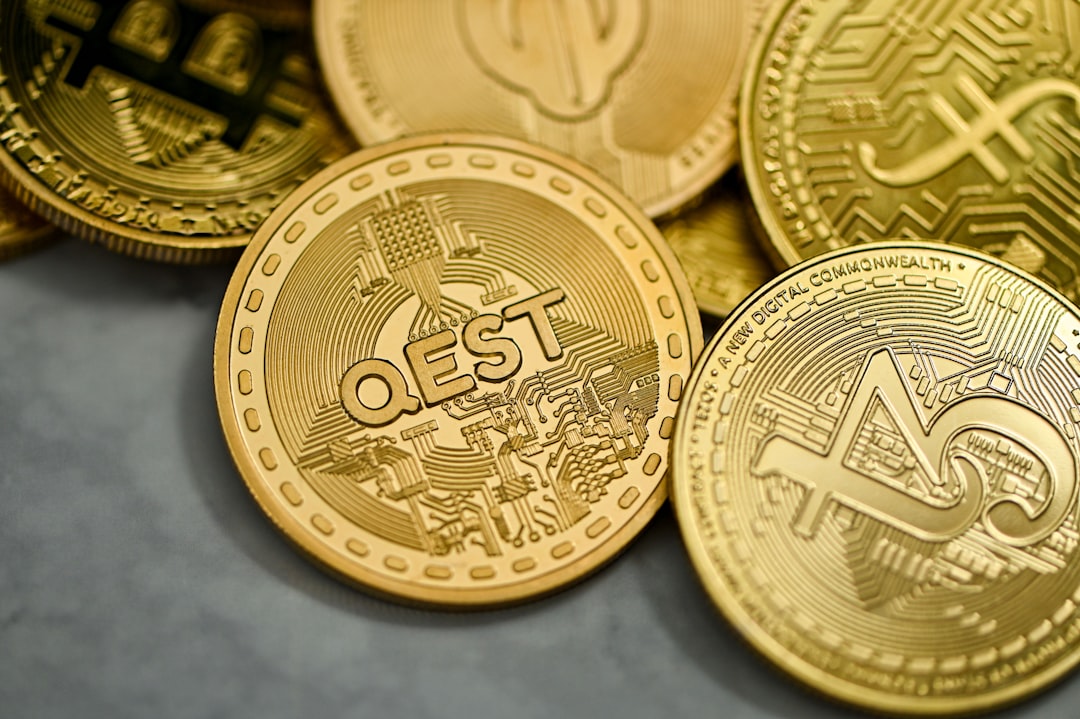
What Exactly Is a Bitcoin ETF Split-Buying (DCA) Strategy?
Before we get into the mechanics, let’s align on vocabulary. A Bitcoin ETF (Exchange-Traded Fund) is a fund that tracks the price of Bitcoin and trades on traditional stock exchanges — so you don’t need a crypto wallet, private keys, or a Coinbase account. You buy it just like you’d buy shares of Apple or Tesla.
Split-buying, or DCA (Dollar-Cost Averaging), means you divide your total investment capital into smaller, equal portions and invest them at regular intervals — weekly, biweekly, or monthly — regardless of the current price. The logic? You automatically buy more units when prices are low and fewer when prices are high, smoothing out your average cost over time.
In the volatile world of Bitcoin, where 20–30% price swings in a single month are still very much on the table in 2026, this approach isn’t just clever — it’s often psychologically lifesaving.
Why Bitcoin ETFs Specifically? The 2026 Landscape
The Bitcoin ETF market has matured dramatically. Following the landmark spot Bitcoin ETF approvals in the U.S. in early 2024 and subsequent global rollouts, by 2026 we’re looking at a robust ecosystem of options:
- iShares Bitcoin Trust (IBIT) by BlackRock — currently one of the largest by AUM globally
- Fidelity Wise Origin Bitcoin Fund (FBTC) — popular among retail investors for its low expense ratio
- ARK 21Shares Bitcoin ETF (ARKB) — favored by growth-oriented investors
- Global Bitcoin ETFs — available now in Canada (Purpose Bitcoin ETF), Hong Kong, Germany, and increasingly across Southeast Asia
The key advantage over direct Bitcoin ownership? Regulatory clarity, custodial security, tax-reporting simplicity, and integration with standard brokerage accounts. For everyday investors, this removes enormous friction.
Breaking Down the Numbers: DCA vs. Lump Sum in Volatile Markets
Let’s think through this with realistic data. Suppose Bitcoin’s price over a 6-month window looks like this (hypothetical but realistic for 2026 volatility ranges):
- Month 1: $72,000
- Month 2: $61,000
- Month 3: $58,000
- Month 4: $67,000
- Month 5: $79,000
- Month 6: $84,000
If you invested $6,000 all at once in Month 1, your average cost is $72,000/BTC.
If you invested $1,000 per month using DCA, your average cost works out to approximately $69,200/BTC — a meaningful difference when we’re talking about Bitcoin’s price scale. More importantly, your psychological exposure during the Month 2–3 dip is dramatically reduced. You’re not staring at a 20% loss on your entire position; you’re actually celebrating that you’re buying cheaper units.
Practical DCA Framework: How to Actually Execute This
Here’s a realistic framework that works whether you’re in the U.S., South Korea, or the UK:
- Step 1 — Define your total budget: Only invest what you can genuinely leave untouched for 3–5 years. Bitcoin ETFs are not emergency funds.
- Step 2 — Choose your interval: Weekly DCA reduces timing risk more than monthly but requires more discipline. For most people, biweekly or monthly aligns naturally with paycheck cycles.
- Step 3 — Select your ETF: Compare expense ratios (FBTC sits around 0.25%, IBIT around 0.25% as of 2026), liquidity, and your brokerage’s availability.
- Step 4 — Automate: Most brokerages in 2026 — including Fidelity, Schwab, and even some Korean platforms like Mirae Asset’s U.S. account services — offer automatic recurring investment features. Set it and genuinely forget it.
- Step 5 — Set review checkpoints, not panic triggers: Review your position quarterly, not daily. Checking Bitcoin prices daily is a fast track to emotional decision-making.

Real-World Examples: Who’s Doing This Right?
Internationally: In the U.S., retail participation in Bitcoin ETFs via DCA has surged through platforms like Fidelity Go and Schwab Intelligent Portfolios, which added Bitcoin ETF exposure as an optional satellite allocation in late 2025. Institutional advisors at firms like Morgan Stanley have been recommending a 1–3% portfolio allocation to Bitcoin ETFs via DCA for moderate-risk clients — a figure that would have seemed radical three years ago.
In South Korea (domestic context): Korean retail investors — historically among the most active crypto participants globally — have increasingly pivoted toward U.S.-listed Bitcoin ETFs accessible through overseas investment accounts (해외주식계좌) at brokerages like Kiwoom, Mirae Asset, and Samsung Securities. The DCA approach aligns well with Korea’s popular 적금(jeok-geum) savings culture — the mental model of regular, disciplined contributions over time isn’t foreign at all. Several Korean financial YouTubers and bloggers with significant followings have documented multi-year DCA journeys into IBIT and FBTC with compelling results.
The Honest Risks You Need to Know
Let’s not sugarcoat this. DCA through Bitcoin ETFs is smarter than lump-sum panic-buying, but it’s not risk-free:
- Structural bear markets: If Bitcoin enters a prolonged multi-year bear cycle (as it has historically), DCA reduces losses but doesn’t eliminate them. Your average cost can still be above market price for extended periods.
- ETF-specific risks: Tracking error (though minimal with spot ETFs), expense ratio drag over decades, and potential fund closure for smaller ETFs.
- Regulatory shifts: Crypto regulation remains a live variable globally in 2026. A significant regulatory event could impact ETF pricing independent of Bitcoin’s actual value.
- Opportunity cost: Capital tied up in Bitcoin ETFs isn’t in diversified index funds. Ensure this is genuinely your risk capital, not your retirement core.
Realistic Alternatives Tailored to Your Situation
Not everyone’s situation calls for the same approach, and that’s completely fine. Let’s think through some alternatives:
- If you’re very risk-averse: Consider a crypto-adjacent equity DCA instead — companies like MicroStrategy (MSTR), Coinbase (COIN), or Bitcoin mining ETFs (like WGMI) give indirect exposure with slightly different risk profiles.
- If you want broader crypto exposure: Multi-asset crypto ETFs or Ethereum ETFs (now also widely available in 2026) alongside Bitcoin ETFs can diversify within the digital asset space.
- If tax efficiency is your priority: In the U.S., holding Bitcoin ETFs inside a Roth IRA through brokerages that permit it can be extraordinarily powerful — tax-free growth on a high-volatility asset is a compelling combination.
- If you’re in South Korea: ISA (개인종합자산관리계좌) accounts with overseas ETF exposure remain worth exploring with your tax advisor, as the regulatory landscape around crypto ETF tax treatment continues to evolve in 2026.
The bottom line? The Bitcoin ETF DCA strategy isn’t a get-rich-quick scheme and it’s not for everyone. But for patient, long-term-oriented investors who want exposure to Bitcoin without the complexities of direct ownership, and who can stomach volatility by spreading their entries intelligently over time — it’s one of the most rational frameworks available right now in 2026.
Start small, automate it, check in quarterly, and let time and compounding do the heavy lifting. That’s it. That’s really the whole strategy.
Editor’s Comment : I genuinely believe the biggest mistake most investors make with Bitcoin — ETF or otherwise — isn’t choosing the wrong asset. It’s choosing the wrong behavior: lump-sum buying at emotional peaks, panic-selling at troughs, and abandoning the plan entirely. The DCA framework isn’t glamorous, and it won’t make for exciting dinner party stories. But in 2026, after watching yet another cycle of crypto euphoria and despair play out, the investors who quietly automated their monthly IBIT purchases back in 2024 are the ones with real portfolios to show for it. Boring wins. Automate the boring.
태그: [‘Bitcoin ETF strategy 2026’, ‘dollar cost averaging crypto’, ‘Bitcoin ETF DCA’, ‘IBIT FBTC investment’, ‘crypto ETF investing’, ‘Bitcoin split buying strategy’, ‘long-term Bitcoin investment’]