A few years ago, a close friend of mine — a software engineer with zero finance background — watched helplessly as inflation quietly eroded the purchasing power of his savings. He had everything in index funds and bonds. When energy prices spiked and agricultural costs soared, his portfolio barely moved while his grocery bills ballooned. That painful disconnect is exactly why commodity ETFs have become one of the most talked-about portfolio tools heading into 2026.
So let’s think through this together: what actually goes into building a solid commodity ETF portfolio, and how do you do it without losing sleep at night?
What Are Commodity ETFs and Why Do They Matter Right Now?
Commodity ETFs (Exchange-Traded Funds) are funds that track the price of physical raw materials — think gold, crude oil, natural gas, wheat, copper, and lithium. Rather than buying a barrel of oil yourself (please don’t), you buy shares in a fund that does the tracking for you. Simple in concept, but powerful in practice.
In 2026, the macro backdrop makes commodities particularly relevant. Global supply chain restructuring, ongoing geopolitical tensions in key resource regions, and the accelerating energy transition have created a commodity environment that’s volatile, yes — but also full of structural tailwinds. According to data from the Bloomberg Commodity Index, commodity assets have shown a correlation of roughly -0.15 to +0.10 with traditional equities over rolling 3-year periods — meaning they often zig when stocks zag. That’s diversification gold (pun intended).
The Core Building Blocks: Key Commodity ETF Categories
Before you start picking tickers, it helps to understand the major buckets:
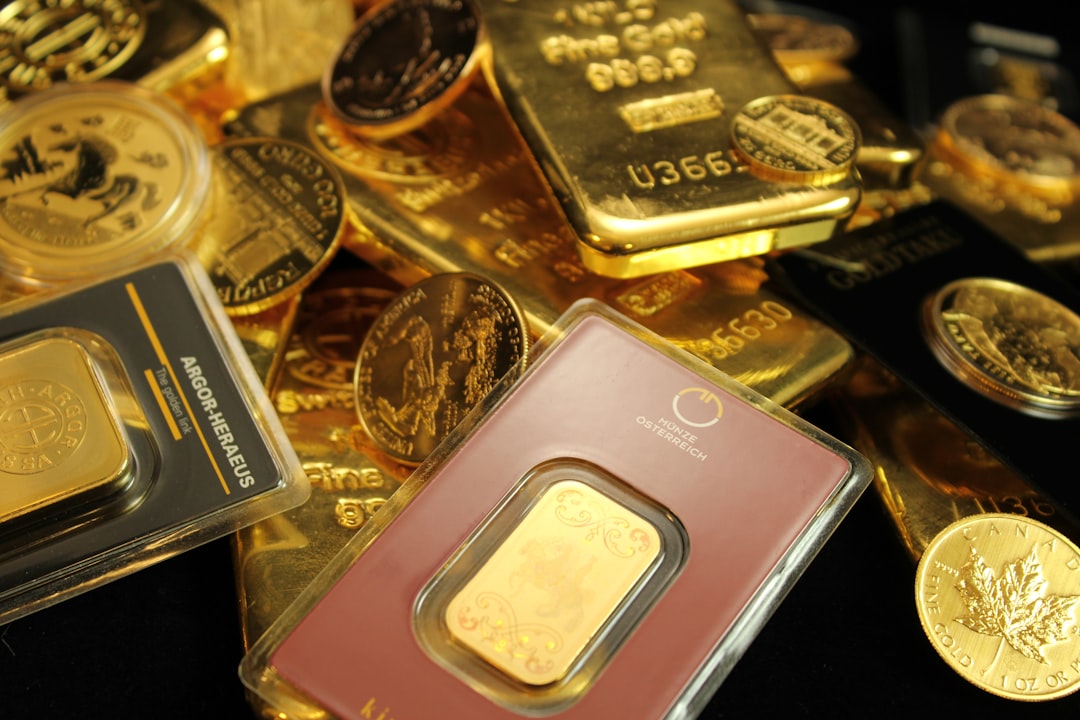
- Precious Metals: Gold and silver ETFs like SPDR Gold Shares (GLD) or iShares Silver Trust (SLV) are the classic inflation hedges. In early 2026, gold has been trading in the $2,800–$3,100/oz range due to continued central bank accumulation and dollar uncertainty.
- Energy Commodities: Funds like the United States Oil Fund (USO) or broader energy ETFs such as iShares S&P GSCI Commodity-Indexed Trust (GSG) capture crude oil and natural gas movements. These are higher volatility but can be significant return drivers.
- Agricultural Commodities: ETFs like the Invesco DB Agriculture Fund (DBA) cover wheat, corn, soybeans, and sugar. With El Niño-linked weather disruptions continuing to affect crop yields in 2026, agricultural ETFs are gaining renewed investor interest.
- Industrial & Base Metals: Copper, aluminum, and nickel-focused ETFs like the Global X Copper Miners ETF (COPX) or iPath Bloomberg Copper Subindex (JJC) are closely tied to manufacturing cycles and the EV/clean energy boom.
- Broad Commodity ETFs: Products like the iShares MSCI Global Agriculture Producers ETF or the Invesco DB Commodity Index Tracking Fund (DBC) give you diversified exposure across all sectors in a single fund — great for beginners.
Sample Portfolio Frameworks: From Conservative to Aggressive
Here’s where the fun begins. Your allocation should reflect your risk tolerance, investment horizon, and existing portfolio composition. Let’s look at three realistic frameworks:
- Conservative (Low Volatility Focus): 50% Gold/Silver ETFs + 20% Broad Commodity ETF + 20% Agricultural ETF + 10% Cash/Short-Term Bonds. This is designed for inflation protection without taking on heavy energy exposure.
- Balanced (Core Diversifier): 30% Gold ETF + 25% Energy ETF + 25% Industrial Metals ETF + 20% Agricultural ETF. This mirrors a risk-parity approach and is suitable for investors who already hold equities and want genuine uncorrelated diversification.
- Aggressive (Thematic/Growth): 40% Industrial & Base Metals (copper/lithium focus) + 30% Energy (including uranium ETFs like Sprott Uranium Miners ETF – URNM) + 20% Gold + 10% Agricultural. This bets heavily on the energy transition narrative, which remains a dominant theme in 2026.
Real-World Examples: How Investors Are Doing It in 2026
Let’s look at some concrete cases. In South Korea, institutional investors like the National Pension Service (NPS) have quietly increased their commodity ETF allocation to approximately 5–7% of their alternative asset bucket, citing inflation-hedging needs. Retail investors on platforms like Kiwoom and Mirae Asset have seen surging interest in gold ETFs listed on the KRX, particularly the KODEX Gold Futures (H) ETF.
Internationally, the Norwegian Government Pension Fund (often called the world’s largest sovereign wealth fund) has been gradually increasing its commodity-linked equity exposure as a response to long-term resource scarcity projections. Meanwhile, U.S.-based robo-advisors like Betterment and Wealthfront have started incorporating 3–5% commodity ETF allocations into their standard portfolios as a default inflation buffer — something that would have been unusual just five years ago.
One particularly interesting 2026 trend: uranium ETFs have seen explosive inflows. With nuclear energy receiving fresh political and public support across Europe, Japan, and the U.S., funds like URNM and Global X Uranium ETF (URA) have become headline-worthy. It’s worth watching, though with appropriate position sizing — this is a high-conviction, high-risk category.
The Risks You Can’t Ignore
Let’s be honest with each other here. Commodity ETFs come with unique risks that stock ETFs don’t:
- Contango and Roll Yield: Futures-based ETFs (like USO) can suffer from “contango drag” — where rolling contracts from one month to the next is costly, eroding returns even when the underlying commodity price rises. Always check whether a fund is physically backed or futures-based.
- Currency Risk: Most commodity ETFs are priced in USD. For non-U.S. investors, a strengthening home currency can eat into returns.
- Concentration Risk: Going too heavy on one category (say, 70% energy) leaves you exposed to sector-specific shocks.
- Geopolitical Events: Commodity markets react fast and hard to political news. This is a feature for traders, but a risk for long-term holders who don’t monitor positions.
Realistic Alternatives If Commodity ETFs Don’t Fit Your Profile
Not everyone’s situation is the same. If you’re nervous about direct commodity exposure, here are some thoughtful alternatives:
- Commodity Producer Stocks/ETFs: Instead of owning the commodity, own the companies that mine or extract it. ETFs like VanEck Gold Miners (GDX) or Fidelity MSCI Energy Index ETF (FENY) give commodity-correlated exposure with company fundamentals as an additional layer.
- REITs with Resource Exposure: Timberland and farmland REITs (like Weyerhaeuser or Gladstone Land) provide indirect commodity exposure with dividend income — a smoother ride for conservative investors.
- Inflation-Protected Bonds (TIPS): If your primary concern is inflation rather than commodity price speculation, TIPS ETFs like iShares TIPS Bond ETF (TIP) are lower volatility and directly indexed to CPI.
- Multi-Asset Funds: Some balanced funds now include 5–10% commodity allocation baked in — ideal for hands-off investors who want the benefit without the rebalancing headache.
The key takeaway? You don’t have to go all-in on commodity ETFs. A modest 5–15% allocation within a broader diversified portfolio is often enough to meaningfully improve inflation resistance and reduce correlation to equities — without keeping you up at night.
Editor’s Comment : Building a commodity ETF portfolio in 2026 isn’t about chasing the hottest resource or timing oil prices — it’s about constructing a thoughtful layer of your broader financial life. Start small, understand what’s inside each fund (futures vs. physical backing matters more than most people realize), and revisit your allocation every 6 months as macro conditions evolve. Think of it less like speculation and more like insurance with upside potential. That framing alone tends to lead to much better decisions.
태그: [‘commodity ETF portfolio 2026’, ‘raw materials ETF investing’, ‘gold ETF diversification’, ‘inflation hedge ETF strategy’, ‘energy commodity ETF’, ‘copper lithium ETF 2026’, ‘portfolio diversification with commodities’]