Picture this: Margaret, a vibrant 72-year-old retired schoolteacher in Portland, Oregon, used to hesitate at the top of her staircase every morning. After a minor slip in her bathroom two years ago — nothing broken, but her confidence? Shattered — she became almost fearful of her own home. Her doctor referred her to a community balance training program, and within six months, she was walking her neighborhood trail again without a second thought. Margaret’s story isn’t rare. In fact, it’s a blueprint for what targeted fall prevention exercise can do, and the science behind it has leaped forward considerably as of 2026.
Falls remain the leading cause of injury-related hospitalizations among adults aged 65 and over worldwide. But here’s the encouraging part: we now know more than ever about exactly which movements reduce fall risk most effectively — and they’re far more accessible than most people assume. Let’s think through this together.
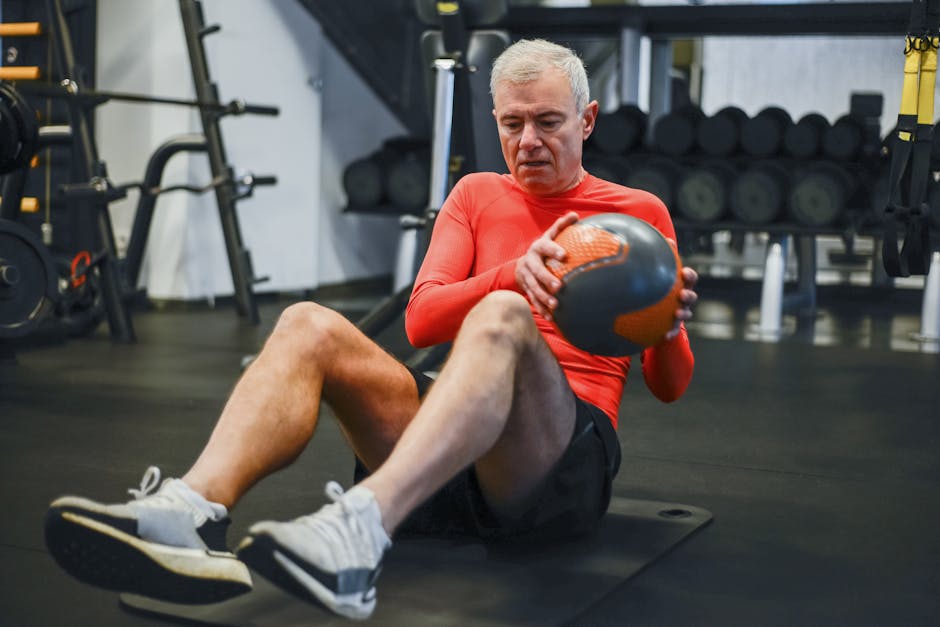
Why Falls Happen: The Physiology Behind the Problem
To understand why certain exercises work, we first need to understand what’s happening in the body. Falls in older adults are rarely about a single factor — they’re usually a convergence of three biological shifts:
- Sarcopenia (muscle loss): After age 60, adults can lose up to 1–2% of muscle mass per year if inactive. Less muscle means less reactive strength to catch yourself mid-stumble.
- Proprioception decline: This is your body’s internal GPS — the sensory system that tells your brain where your limbs are in space. Research from the Journal of Aging and Physical Activity (2025) confirmed that proprioceptive sensitivity decreases measurably in sedentary adults over 65, increasing lateral sway by up to 34%.
- Vestibular system changes: The inner ear’s balance centers degrade with age, making rapid direction changes particularly hazardous.
Good news: all three of these systems respond to targeted exercise. They’re trainable, even at 80+.
The 2026 Evidence-Based Exercise Framework for Fall Prevention
The most current clinical consensus, including updated guidelines from the World Health Organization (released in late 2025) and the American Geriatrics Society’s 2026 Fall Prevention Toolkit, now recommends a three-pillar approach rather than the old single-focus balance training model. Let’s break down each pillar:
Pillar 1 — Progressive Balance Training (3x/week, 20–30 min)
This is still the cornerstone. The key word here is progressive — meaning the challenge must increase as your body adapts. Starting points include:
- Single-leg stands (hold a chair initially, then progress to no support)
- Tandem stance (heel-to-toe standing along a straight line)
- Weight shifting exercises on unstable surfaces like foam pads
- Dynamic stepping patterns — stepping over low obstacles, lateral shuffles
Pillar 2 — Functional Strength Training (2x/week)
In 2026, researchers at the University of Sydney published a landmark meta-analysis confirming that lower-body strength training reduces fall incidence by up to 39% when combined with balance work. The key muscle groups to target:
- Quadriceps and glutes: Sit-to-stand exercises (essentially a chair squat) are phenomenally effective and low-barrier.
- Ankle dorsiflexors: Heel and toe raises strengthen the ankle complex critical for recovery steps.
- Hip abductors: Lateral leg raises or clamshell exercises prevent the hip collapse that often precedes a sideways fall.
Pillar 3 — Dual-Task and Cognitive-Motor Training (1–2x/week)
This is the most exciting frontier in 2026 fall prevention research. Real-world falls often happen when attention is divided — talking on the phone while walking, or scanning a room while stepping down a curb. Dual-task training deliberately combines a physical movement with a cognitive challenge:
- Walking while counting backward from 100 by 3s
- Stepping patterns while naming categories (fruits, cities, etc.)
- Technology-assisted programs using tablet-based games synced to balance boards (increasingly available at senior centers)
A 2026 trial from Seoul National University Hospital demonstrated that 12 weeks of dual-task training reduced fall events in community-dwelling older adults by 46% compared to standard balance training alone. That’s a remarkable margin.
Global and Domestic Examples Leading the Way
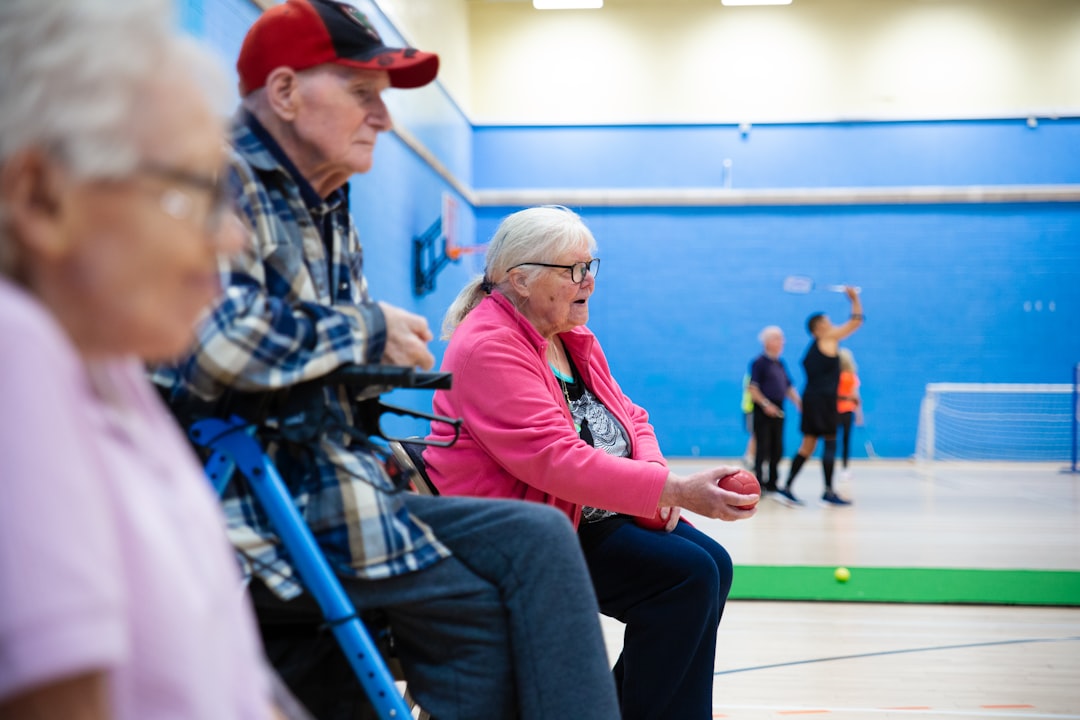
Countries and communities are translating this research into real programs with impressive results:
South Korea — The “Active Aging Hub” Initiative: Korea’s Ministry of Health and Welfare expanded its nationwide senior community center network in 2025–2026, embedding certified fall prevention coaches in over 1,200 centers. The program, which blends the three-pillar framework with culturally familiar movements (including adapted Taekkyeon footwork for balance), has reported a 31% reduction in fall-related ER visits among participants in pilot regions.
Japan — Otago Exercise Program Adaptations: Japan, with one of the world’s oldest populations, has long championed the New Zealand-developed Otago Exercise Programme. In 2026, Japanese researchers at Keio University adapted it for home delivery via smart TV interfaces, allowing frail older adults to follow instructor-led sessions without leaving home. Early data shows adherence rates of over 70% at the six-month mark — significantly higher than clinic-based programs.
United Kingdom — NHS Falls Pathway 2026: The UK’s National Health Service rolled out its updated Falls Pathway this year, now mandating that GP referrals for high-risk patients include not just physiotherapy, but a community exercise prescription — essentially a personalized workout plan issued like a medical prescription. Pilot data from Manchester showed a 28% reduction in repeat falls among enrolled patients within one year.
Practical Starting Points: What If You’re Not Ready for a Formal Program?
Here’s where I want to be realistic with you, because not everyone has access to a specialized program or even a gym membership. The research is clear that something is always better than nothing, and many highly effective exercises require zero equipment. Here’s a realistic entry-level daily routine you could start today:
- Morning (5 minutes): While holding the kitchen counter, practice 10 single-leg stands on each side (30 seconds each). Add a slight knee bend to increase difficulty over time.
- Midday (5 minutes): Do 10–15 slow sit-to-stands from a sturdy chair without using your hands if possible. This single exercise is one of the most researched fall-prevention movements in existence.
- Evening (5 minutes): Heel raises and toe raises — 15 reps each — while holding the back of a chair. Finish with 5 minutes of slow, mindful walking around your home focusing on heel-to-toe foot placement.
That’s 15 minutes a day. Research from the 2026 Cochrane Review update on fall prevention confirms that even low-to-moderate intensity programs like this, done consistently at home, reduce fall risk by approximately 23% in community-dwelling older adults. Consistency beats intensity at this stage.
When to Seek Professional Guidance
While home exercise is a great start, certain situations call for professional assessment. Consider seeing a physical therapist or geriatric exercise specialist if:
- You’ve had more than one fall in the past 12 months
- You experience dizziness or unsteadiness during daily activities
- You’re managing conditions like Parkinson’s disease, osteoporosis, or post-stroke effects
- You feel significantly fearful of falling — fear itself is a documented independent fall risk factor
A professional can conduct a formal fall risk assessment (tools like the Berg Balance Scale or Timed Up and Go test are standard in 2026) and build a program that addresses your specific weak points rather than a generic template.
A Note on Technology in 2026
Wearable sensors and AI-assisted gait analysis have become genuinely accessible this year. Devices like smart insoles and wristband accelerometers can now flag abnormal gait patterns and alert both the wearer and their care team before a fall occurs. Several health insurance plans in the US and EU have begun covering these devices for high-risk patients. If you’re in that category, it’s worth asking your doctor whether a wearable fall-detection device might be covered under your plan.
The bottom line? Fall prevention in 2026 is no longer about being cautious and slowing down — it’s about strategically building the strength, balance, and cognitive agility to keep moving confidently. Margaret figured that out. And so can you — or someone you love.
Editor’s Comment : What strikes me most about where fall prevention science stands in 2026 is how human-centered it’s become. It’s moved away from the old “just be careful” advice toward genuinely empowering people with specific, trainable skills. If there’s one takeaway I’d leave you with, it’s this: start with the chair sit-to-stand. Just that one exercise, done daily, is a quiet revolution for your independence. And if you can get a friend or family member involved, the social accountability makes you twice as likely to stick with it — the research backs that up too. Small steps, enormous impact.
태그: [‘fall prevention exercises for seniors’, ‘elderly balance training 2026’, ‘senior fall risk reduction’, ‘older adult strength exercises’, ‘fall prevention tips for elderly’, ‘geriatric fitness program’, ‘aging in place safety exercises’]