My neighbor Margaret, 74, slipped on a dry kitchen floor last winter — not even a wet surface, just a slight misstep while reaching for a cabinet. What followed was a fractured hip, three months of rehabilitation, and a lingering fear of moving freely in her own home. Her story isn’t unusual. In fact, it’s one of the most common trajectories for adults over 65 worldwide. But here’s the hopeful part: Margaret’s physio introduced her to a structured fall-prevention movement program, and within six months, she was back to her morning walks — more confident than ever.
That’s exactly what today’s post is about. We’re going to dig into the latest 2026 research and practical exercises that can genuinely reduce fall risk for older adults, whether you’re a senior yourself, a caregiver, or a fitness professional working with aging populations.
Why Falls Are Still a Critical Issue in 2026
According to the World Health Organization’s updated 2026 aging report, falls remain the second leading cause of accidental injury deaths globally, with adults over 65 accounting for the vast majority of cases. In the United States alone, the CDC estimates that approximately 1 in 4 adults aged 65+ experiences a fall each year, and that number climbs steeply after age 75.
But here’s what makes this particularly urgent right now: by 2026, the global population aged 60 and over has crossed 1.4 billion, driven by the aging Baby Boomer generation. Healthcare systems in countries like Japan, South Korea, Germany, and the US are increasingly stretched trying to manage fall-related hospitalizations, which cost the US alone an estimated $67 billion annually in direct medical costs (updated 2026 figures from the National Council on Aging).
The good news? Exercise interventions remain the single most effective non-pharmacological strategy for reducing fall risk — more effective than home modifications alone or vitamin D supplementation in isolation.
The Core Science: What’s Changed in Fall Prevention Research
Research published in the Journal of Gerontology in late 2025 and early 2026 has refined our understanding significantly. The old approach of “just do some balance exercises” has given way to a more nuanced, multicomponent training model that targets four key physiological systems simultaneously:
- Proprioception: Your body’s internal GPS — the ability to sense where your limbs are in space. This degrades naturally with age but responds well to targeted training.
- Muscle strength (especially lower limb): Quadriceps, hip abductors, and ankle dorsiflexors are the primary muscles that “catch” you when you stumble.
- Reaction time and dynamic balance: How quickly your nervous system can activate stabilizing muscles when you unexpectedly shift weight.
- Gait quality: Stride length, walking speed, and dual-task walking (walking while talking or thinking) are now recognized as highly predictive fall-risk indicators.
A landmark 2025 Cochrane Review meta-analysis — covering over 108 randomized controlled trials — confirmed that exercise programs combining balance, strength, and functional training reduce fall rates by approximately 23–34% in community-dwelling older adults. That’s not a marginal benefit — that’s life-changing.
The Best Exercises for Fall Prevention: A 2026 Evidence-Based Breakdown
Let’s get practical. Here are the exercise categories with the strongest evidence base, along with beginner-friendly examples:
- Single-Leg Stance Progressions: Start by standing on one foot near a countertop for support. Aim for 10–30 seconds per side. Progress to doing this with eyes closed or on a slightly unstable surface (folded towel). This directly trains proprioception and ankle stability.
- Sit-to-Stand (Chair Squats): Rising from a chair without using your hands strengthens the quadriceps and hip extensors — the muscles most responsible for preventing falls during stumbles. Aim for 10–15 repetitions, 2–3 sets.
- Heel-to-Toe Walking (Tandem Gait): Walk in a straight line placing heel directly in front of toe with each step. This challenges dynamic balance and mimics the narrow gait corridors (like hallways) where many home falls occur.
- Lateral Band Walks: Using a light resistance band around the ankles, step sideways 10–15 steps in each direction. Hip abductor strength is critically undertraining in most seniors and is directly linked to sideways fall prevention.
- Calf Raises: Standing behind a chair, rise onto your toes and slowly lower. This builds ankle plantarflexor strength, which is essential for push-off during walking and rapid balance recovery.
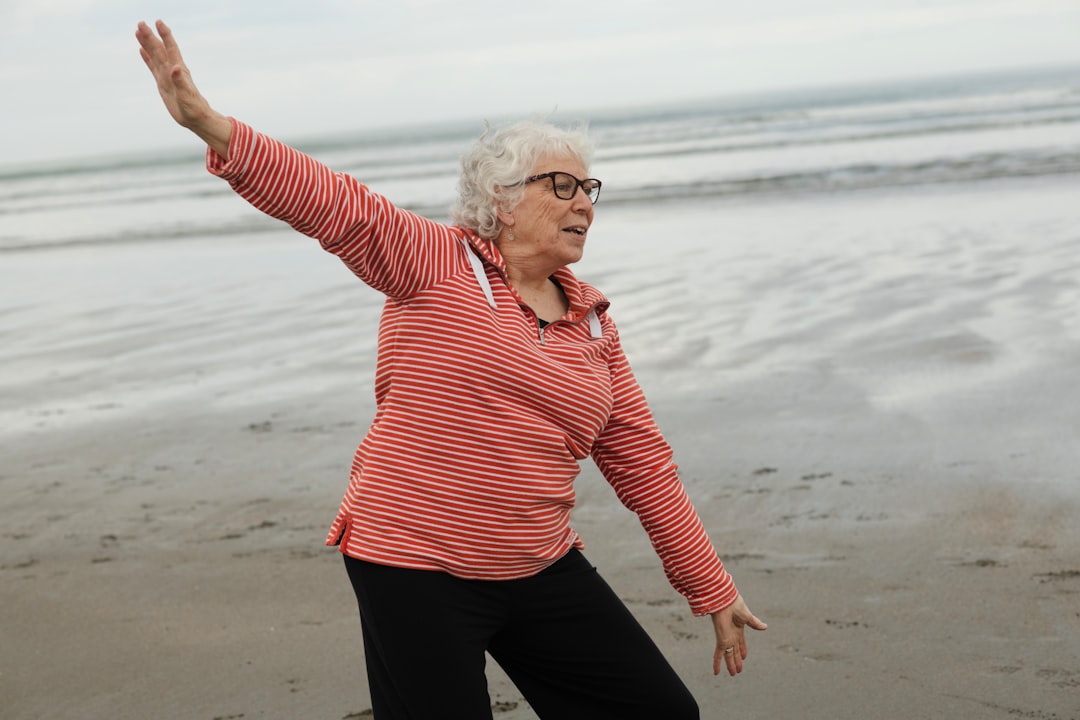
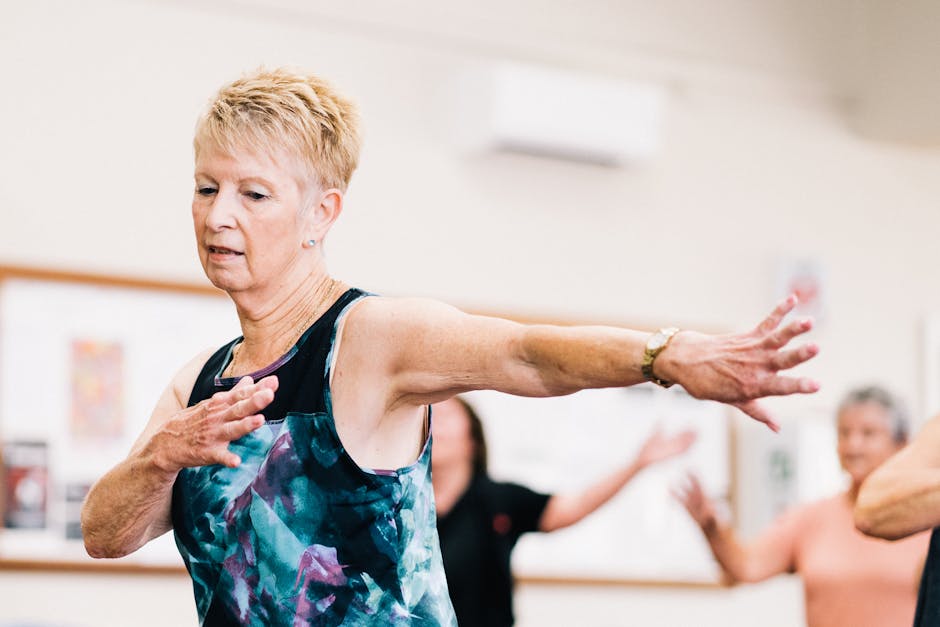
- Tai Chi (ongoing evidence champion): Multiple 2025–2026 studies continue to validate Tai Chi as one of the most holistic fall-prevention practices available. Its slow, weight-shifting movements train proprioception, mindfulness, and lower-body strength simultaneously. A 12-week Tai Chi program in a South Korean RCT (2025) showed a 37% reduction in fall incidence among adults aged 70–85.
Global Examples Leading the Way
Japan’s “Kenko Taisou” Community Program (2026 update): Japan, with the world’s oldest population demographic, has scaled up its community exercise broadcast system — originally started in 1928 — to now include fall-specific balance modules broadcast via national TV and streaming platforms. Municipal health centers track participation digitally, and 2026 pilot data from Osaka Prefecture shows a 19% reduction in fall hospitalizations among participants aged 70+ over 18 months.
The UK’s NHS FallSafe 2.0 Initiative: Launched in early 2026, this updated NHS program deploys physiotherapists into community centers to run twice-weekly multicomponent exercise classes. Crucially, it also incorporates dual-task training — asking participants to complete cognitive tasks (counting backwards, naming animals) while performing balance exercises, which mirrors real-world situations where most falls occur.
South Korea’s Senior Active Aging Centers: Following significant government investment in 2024–2025, South Korea’s “어르신 낙상예방 운동 프로그램” (Senior Fall Prevention Exercise Program) now operates in over 3,200 local community centers nationwide. The 2026 program integrates wearable sensor feedback — participants wear simple ankle and wrist sensors during group sessions, and instructors can identify individuals with high-risk gait patterns for individualized attention.
Technology’s Growing Role in 2026
One of the most exciting developments in fall prevention is the integration of accessible technology. In 2026, several affordable tools are making a genuine difference:
- AI-powered gait analysis apps: Smartphones can now use the built-in camera and accelerometer to analyze walking patterns and flag early signs of fall risk — apps like StepSure and GaitGuard (both updated in early 2026) provide home-based assessments that were previously only available in clinical settings.
- Smart insoles and wearables: Devices like the updated Moticon LINK insoles track pressure distribution and balance metrics during daily activities, sending data to a caregiver or physician dashboard.
- VR balance training: Virtual reality platforms designed for seniors — with simple controllers or even just body tracking — are showing promising results in engaging older adults in balance exercises in a game-like environment. A 2025 trial in Toronto found VR balance training improved single-leg stance time by 42% compared to standard exercise instruction alone, largely due to higher adherence.
Realistic Alternatives: When Standard Exercise Isn’t Accessible
Not everyone has access to a gym, a physiotherapist, or community classes — and some seniors have comorbidities (arthritis, post-stroke limitations, severe osteoporosis) that make standard protocols inappropriate. Here’s how to think through alternatives:
- Chair-based exercise programs: Almost all the strength and partial balance benefits can be achieved in a seated position. Organizations like SilverSneakers and the National Institute on Aging offer free chair exercise video libraries online.
- Hydrotherapy/pool walking: Water provides resistance for muscle strengthening while dramatically reducing fall risk during the exercise itself — ideal for those with joint pain or severe balance impairment.
- Home-based video programs: For those who can’t leave home, structured video programs (YouTube channels like “Eldergym” or subscription services like Hinge Health’s senior track) provide guided, progressive workouts with no equipment.
- Walking with Nordic poles: For seniors who aren’t ready for balance-specific exercises but want to stay active, Nordic walking poles transform a regular walk into a whole-body stability workout, reducing fall risk during the activity itself while building strength gradually.
The key principle here is consistency over intensity. A gentle 20-minute balance routine done three times a week for six months will outperform a rigorous program abandoned after two weeks, every single time.
How to Get Started: A Simple First Week Plan
- Day 1: 10 minutes of single-leg stance practice (near a counter) + 10 sit-to-stands from a firm chair
- Day 2: 15-minute gentle walk, focusing on heel-toe placement
- Day 3: Rest or gentle stretching
- Day 4: 15 calf raises + 10 tandem gait steps down a hallway (3 repetitions)
- Day 5: YouTube Tai Chi for beginners (20 minutes)
- Days 6–7: Active rest — light walking, gardening, or gentle movement
After two weeks, add a resistance band for lateral walks and increase sit-to-stand repetitions. Progress should feel like a gentle challenge, never pain or fear.
Editor’s Comment : What I find most compelling about the 2026 landscape of fall prevention is that we’ve moved decisively beyond the idea that aging automatically means fragility. The research is clear, the programs are increasingly accessible, and the technology is catching up beautifully. If you take one thing from this post, let it be this: the single-leg stance exercise costs nothing, takes 5 minutes, and has decades of evidence behind it. Start there. Build from there. And if you’re helping an older parent or patient navigate this, remember that the emotional component — rebuilding confidence after a fall — matters just as much as the physical training. Margaret would agree.
태그: [‘fall prevention exercises for seniors’, ‘elderly balance training 2026’, ‘senior fitness and fall risk’, ‘older adult exercise program’, ‘Tai Chi fall prevention’, ‘aging and balance improvement’, ‘senior health and mobility’]