Picture this: Margaret, a lively 74-year-old grandmother in Ohio, slipped on a rug one Tuesday morning and fractured her hip. Six months of recovery, two surgeries, and a dramatic loss of independence later — her doctor told her something that stopped her cold: “Most of this could have been prevented with the right exercise routine.” Margaret’s story isn’t rare. In fact, it’s heartbreakingly common. And the good news? It’s largely avoidable.
Let’s think through this together — what’s actually happening in the body as we age, why falls become so dangerous, and most importantly, what movements can genuinely turn the tide.
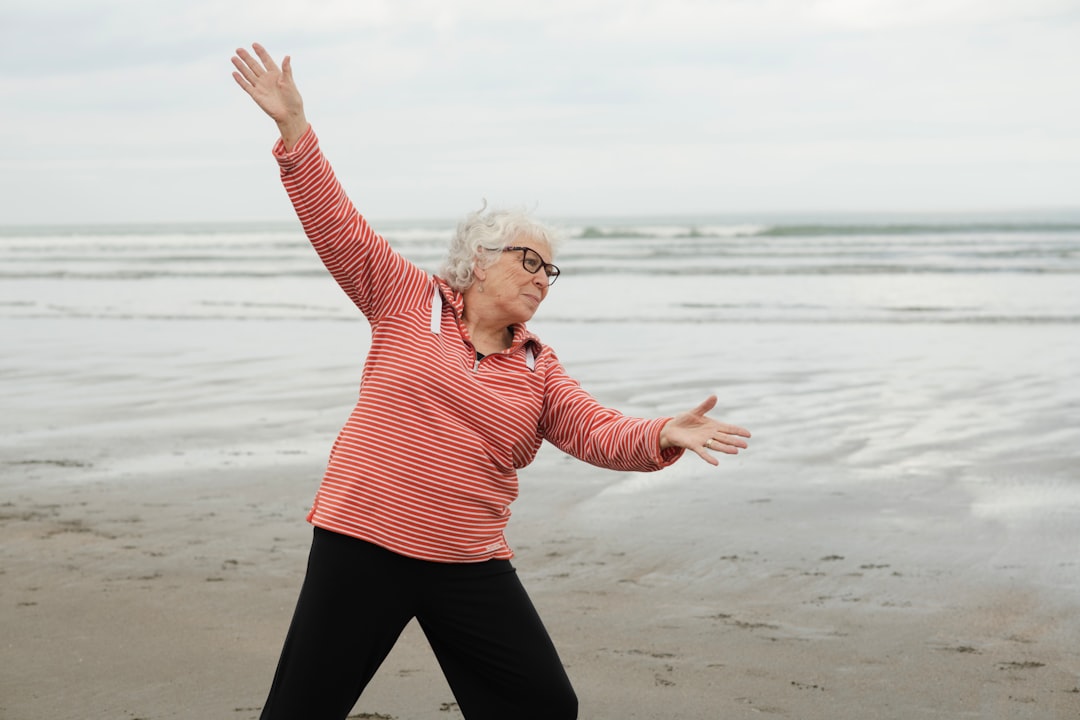
Why Falls Are a Silent Epidemic — The Numbers Don’t Lie
Falls are the leading cause of injury-related death among adults aged 65 and older, according to the Centers for Disease Control and Prevention (CDC). Here’s a quick look at the sobering statistics:
- Every year, 1 in 4 older adults (roughly 36 million Americans) experiences a fall.
- Falls result in over 3 million emergency room visits annually in the U.S. alone.
- Approximately 32,000 older adults die from fall-related injuries each year.
- Hip fractures — the most common serious fall injury — lead to long-term care placement in up to 25% of cases.
- The total annual medical cost of falls in the U.S. exceeds $50 billion.
But here’s what’s truly striking: research published in the British Journal of Sports Medicine found that regular exercise programs targeting balance and lower-body strength can reduce fall incidence by 23–40%. That’s not a minor tweak — that’s a life-changing difference.
What Goes Wrong in the Body (And Why Exercise Fixes It)
Aging brings a trio of physical changes that conspire against stability: sarcopenia (progressive muscle loss, typically starting in our 40s), proprioceptive decline (reduced ability to sense body position in space), and vestibular deterioration (inner ear balance system weakening). Add to that slower reflexes and reduced bone density, and you have a recipe for a dangerous stumble.
Targeted exercise directly counters all three of these processes. Resistance training rebuilds muscle mass. Balance drills re-train the neuromuscular system. Weight-bearing movements stimulate bone density. It’s not magic — it’s physiology working in your favor.
Proven Exercise Programs: What the World Is Doing Right
Let’s look at what’s actually working, both domestically and internationally.
🇺🇸 United States — The Otago Exercise Programme: Originally developed in New Zealand and widely adopted across American senior centers, the Otago programme is a structured series of leg strengthening and balance exercises performed at home. A landmark Cochrane Review confirmed it reduces falls by up to 35% in community-dwelling older adults, with the greatest benefits seen in those over 80.
🇯🇵 Japan — Hiza-Age (Knee-Lift) Walking & Group Tai Chi: Japan, facing one of the world’s most rapidly aging populations, has integrated fall prevention into national health policy. Municipal programs across cities like Kyoto and Osaka teach Hiza-Age (deliberate high-knee walking) and group Tai Chi sessions in community centers. A study from Tokyo Metropolitan Geriatric Hospital showed a 47% reduction in fall risk among participants in 12-week Tai Chi programs.
🇩🇪 Germany — Stürze Verhindern (Prevent Falls) Initiative: German health insurers fund structured group gymnastics (Seniorengymnastik) for adults over 60. Clinical evaluations found participants improved single-leg standing time by an average of 8.4 seconds after 10 weeks — a key predictor of fall risk.
🇰🇷 South Korea — 낙상 예방 운동 (Naksang Yebang Undong): South Korea’s National Health Insurance Service has incorporated fall prevention exercise prescriptions into annual wellness checkups for adults over 65. Programs emphasize banding exercises (resistance band squats and lateral steps) paired with stepping pattern training, showing measurable improvements in the Timed Up and Go (TUG) test — a gold-standard fall risk assessment.
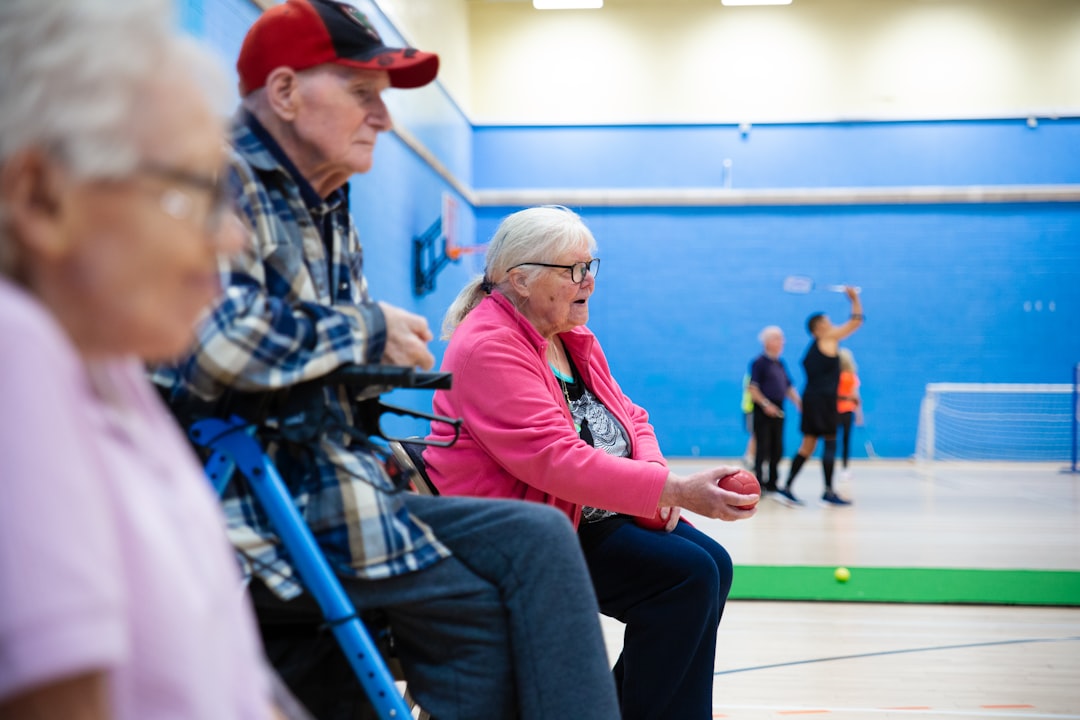
The Core Exercise Toolkit: Where to Actually Start
Here are the most evidence-backed movements, organized from beginner to intermediate. No gym membership required.
- Chair Stand (Sit-to-Stand): Rise from a chair without using your hands, then slowly lower back down. Do 10 reps. This targets the quadriceps and glutes — your primary “braking” muscles when you start to tip.
- Heel-to-Toe Walking (Tandem Walk): Walk in a straight line placing the heel of one foot directly in front of the toes of the other. This is the single best way to challenge and improve dynamic balance.
- Single-Leg Stand: Stand on one foot for 10–30 seconds, progressing to eyes closed. Hold a countertop initially. The eyes-closed variation dramatically improves vestibular and proprioceptive function.
- Side-Leg Raises (Hip Abduction): Standing behind a chair, lift one leg out to the side slowly. This strengthens the hip abductors, which are critical for lateral stability — the direction most falls occur.
- Calf Raises: Rise onto your toes slowly, hold 2 seconds, lower. Strong calves are your first line of ankle stability defense.
- Resistance Band Squats: Place a band just above your knees, sit back into a squat. The band forces your glutes to activate laterally — a pattern that mimics real-world stumble recovery.
- Tai Chi (any beginner form): Even 20 minutes, 3 times per week has measurable neurological and balance benefits. Look for the “Sun Style” Tai Chi form — specifically designed for older adults with joint limitations.
Making It Stick: Frequency, Progression, and Safety Tips
Research from the American Geriatrics Society recommends a minimum of 2–3 sessions per week, each lasting 30–45 minutes, for meaningful fall risk reduction. But here’s the realistic truth: even 15 minutes daily of targeted balance work outperforms 60 minutes twice a month. Consistency beats intensity for this population.
Progress gradually — never add more than 10% difficulty per week. Always exercise near a wall or sturdy chair during balance work. And if you’ve had a fall in the past year, consult a physical therapist for a personalized assessment before starting independently.
Realistic Alternatives for Every Situation
Not everyone can access a senior center or afford physical therapy. Here’s how to work with what you have:
- Very limited mobility: Chair-based yoga and seated resistance band exercises are fully legitimate. Search for “seated senior fitness” on YouTube — SilverSneakers and the National Institute on Aging offer free guided videos.
- Budget-conscious: A single resistance band (under $10) unlocks 80% of the exercises mentioned above. That’s arguably the highest ROI health investment available.
- Living alone with no supervision: Consider the free CDC STEADI (Stopping Elderly Accidents, Deaths & Injuries) program, which includes printable home exercise guides and a self-assessment checklist.
- Tech-savvy seniors: Balance board apps and Nintendo Switch games like Ring Fit Adventure have shown genuine engagement benefits in senior populations — and they’re genuinely fun.
The goal isn’t to turn your parent or yourself into an athlete. The goal is to make the body just reliable enough to catch itself — to buy those extra milliseconds of reaction time that mean the difference between a stumble and a fall.
Editor’s Comment : What strikes me most about this topic is how the research keeps pointing to the same uncomfortable truth: we tend to wait until after a fall to take action, when the whole point is to act before one happens. Starting even a modest balance routine in your 60s isn’t pessimism about aging — it’s one of the most optimistic things you can do. You’re essentially investing in your future independence. Margaret, by the way, eventually joined a local Tai Chi group post-recovery. She now helps lead it on Wednesday mornings. It’s never too late — but it’s always better to start sooner.
태그: [‘fall prevention exercises for elderly’, ‘senior balance training’, ‘老人 낙상 예방 운동’, ‘exercises to prevent falls in older adults’, ‘strength training for seniors’, ‘Tai Chi fall prevention’, ‘Otago exercise programme’]