A colleague of mine — let’s call her Sara — spent years stashing physical gold bars in a fireproof safe at home. She was convinced that holding the “real thing” was the only way to truly own gold. Then in early 2022, when inflation surged past 8% in the U.S. and gold prices climbed toward $2,000 per ounce, she finally asked me: “Is there a smarter way to do this without lugging metal around?” That question opened a fascinating conversation about Gold ETFs — exchange-traded funds that track the price of gold without requiring you to physically own it. If you’re asking the same question Sara was, you’re in exactly the right place. Let’s think through this together.
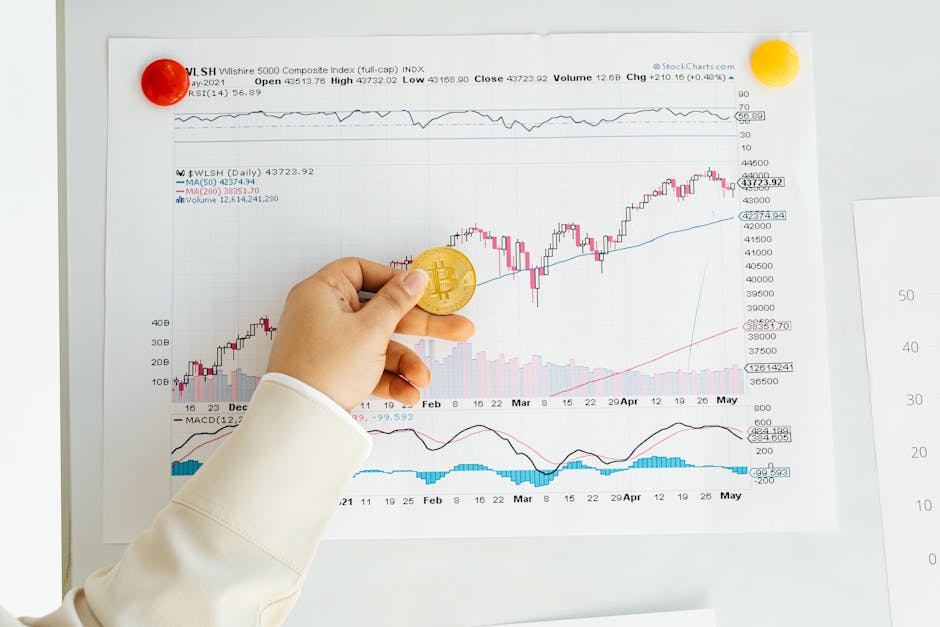
What Exactly Is a Gold ETF? (And Why It’s Not Just “Digital Gold”)
A Gold ETF is a fund traded on a stock exchange that either holds physical gold in a vault (physically-backed ETFs) or tracks gold prices through futures contracts (futures-based ETFs). The distinction matters more than most beginners realize. Physically-backed ETFs like SPDR Gold Shares (GLD) or iShares Gold Trust (IAU) actually purchase and store gold bullion. Futures-based ETFs, on the other hand, roll over contracts periodically — which introduces something called contango drag, a cost that slowly erodes returns in stable or declining markets.
As of 2024, GLD holds over 850 tonnes of gold in HSBC’s London vaults, making it one of the largest single holders of gold in the world. IAU operates similarly but at a lower expense ratio (0.25% vs GLD’s 0.40%), making it a popular choice for cost-conscious long-term investors.
The Real Advantages: Why Smart Money Uses Gold ETFs
- Liquidity: Unlike physical gold, you can buy or sell a Gold ETF in seconds during market hours — no coin dealers, no appraisal fees, no awkward negotiations.
- Low barrier to entry: You can invest in IAU with as little as $5–$10 per share, compared to ~$1,900+ for a single troy ounce of physical gold.
- Portfolio diversification: Gold historically has a low or even negative correlation with equities. During the 2008 financial crisis, gold rose roughly 25% while the S&P 500 dropped nearly 37%.
- No storage or insurance costs: The ETF’s annual expense ratio covers custody — you don’t pay separately for vault storage or home insurance riders.
- Tax efficiency (in many jurisdictions): In the U.S., ETFs held in tax-advantaged accounts like IRAs or 401(k)s can defer capital gains tax, a benefit physical gold can’t replicate as easily.
- Transparency: Reputable physically-backed ETFs publish daily gold holdings, providing verifiable accountability.
The Real Disadvantages: Let’s Not Sugarcoat This
- You never “own” the gold directly: In a severe systemic financial collapse scenario, your ETF shares are claims on a fund — not gold bars you can physically redeem (unless you’re an authorized participant holding massive lot sizes).
- Ongoing expense ratios: Even 0.25% annually compounds over decades. Over 20 years, that quietly chips away at your returns compared to owning unencumbered physical gold.
- Futures-based ETF risks: Products like SPDR Gold MiniShares (GLDM) alternatives that use futures can suffer from roll costs in contango markets, underperforming spot gold prices meaningfully.
- Counterparty risk: You’re trusting the ETF provider, custodian banks, and the exchange itself — layers of institutional dependency that physical gold eliminates.
- No yield: Gold ETFs pay no dividends. Compare this to gold mining ETFs like VanEck Gold Miners ETF (GDX), which provide exposure to gold prices and potential dividend income — though with amplified volatility.
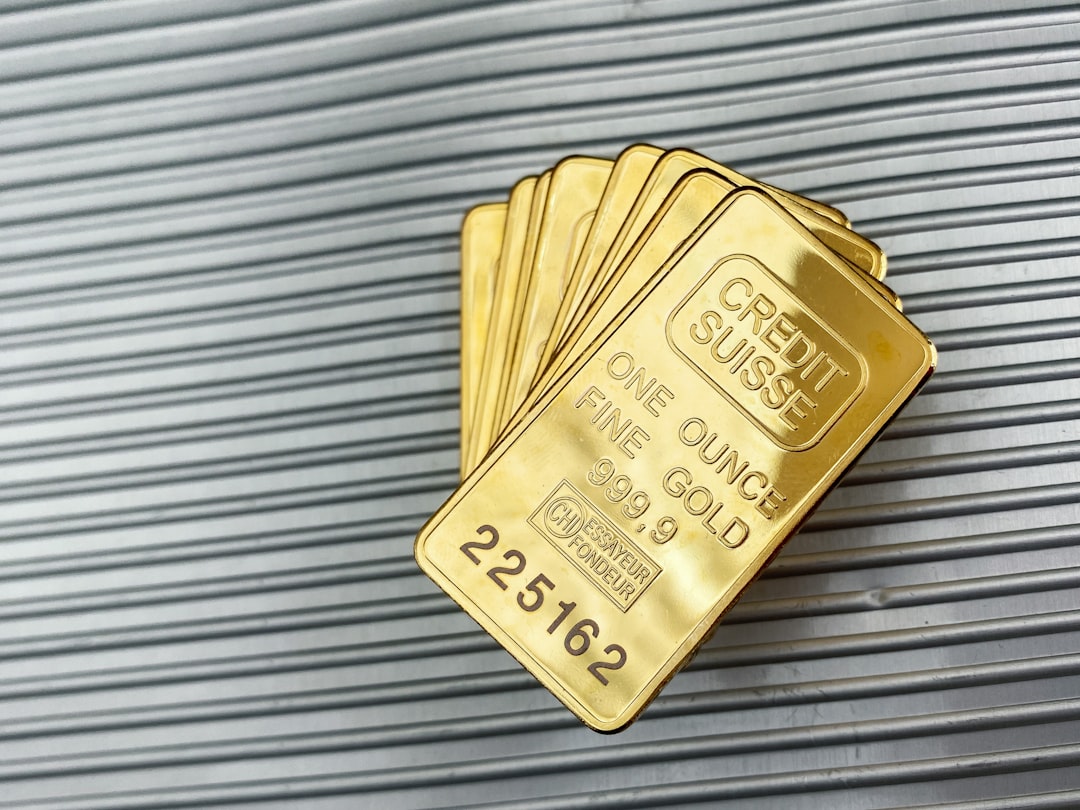
Global & Domestic Examples Worth Studying
South Korea’s KODEX Gold Futures ETF — one of the most actively traded commodity ETFs on the Korea Exchange (KRX) — is a futures-based product that Korean retail investors have used heavily during periods of Korean Won weakness. Interestingly, because it’s futures-based, it has occasionally deviated from international gold spot prices by 3–7% during volatile currency periods, illustrating a real-world cost that many investors overlook when comparing performance charts.
In contrast, Japan’s SPDR Gold ETF (1326) listed on the Tokyo Stock Exchange is physically backed and yen-denominated, making it a natural hedge for Japanese investors worried about both gold exposure AND currency devaluation simultaneously. During Japan’s extended deflationary period, this dual-hedge property attracted significant institutional capital.
In the U.S., the famous hedge fund manager Ray Dalio of Bridgewater Associates has publicly advocated for allocating roughly 7–10% of a portfolio to gold within an “All Weather” portfolio framework. Bridgewater has historically executed this through gold ETFs for their liquidity and scalability, rather than through physical holdings.
Strategic Approaches: How to Actually Use Gold ETFs
Here’s where it gets practical. Think about Gold ETFs not as a standalone bet, but as a portfolio tool serving one of three purposes:
- Inflation hedge (long-term, 5–10% allocation): A steady, passive allocation using IAU or GLD as insurance against monetary debasement. Rebalance annually — don’t trade it actively.
- Crisis hedge (tactical allocation during uncertainty): Temporarily increasing gold ETF exposure during periods of rising geopolitical tension or Federal Reserve policy uncertainty. Requires discipline to reduce the position once the uncertainty resolves.
- Currency devaluation play: If you’re based in an emerging market economy with a weakening currency, a USD-denominated gold ETF offers a double layer of protection — gold appreciation AND USD strength.
Realistic Alternatives Worth Considering
If a Gold ETF doesn’t fully align with your goals, here are thoughtful alternatives to explore depending on your situation:
- Gold mining ETFs (GDX, GDXJ): Higher risk, higher potential reward, plus dividend exposure. Best for investors who want leveraged sensitivity to gold prices and are comfortable with equity volatility.
- Sovereign gold bonds (available in India): Government-backed instruments that pay 2.5% annual interest ON TOP of gold price appreciation, with tax-free capital gains if held to maturity. Exceptional value for Indian investors specifically.
- Physical gold (small amounts): Still makes sense as a small “emergency barter” allocation — perhaps 1–2% of net worth in coins or small bars. Think of it as your analog backup system.
- Gold savings accounts: Offered by some banks in South Korea, Japan, and Germany — you accumulate fractional gold with each deposit, bypassing ETF expense ratios while maintaining liquidity.
- Commodities broad ETFs (DJP, PDBC): If you want inflation protection but don’t want gold-specific concentration risk, a diversified commodities ETF spreads exposure across energy, metals, and agriculture.
The bottom line? Gold ETFs are genuinely excellent tools when used with clear purpose. The mistake most investors make isn’t choosing gold ETFs — it’s treating them as either a “get rich” trade or ignoring them entirely. A calm, intentional 5–10% allocation to a low-cost physically-backed Gold ETF is a time-tested way to add resilience to almost any long-term portfolio.
Editor’s Comment : Gold ETFs sit in that interesting middle ground where simplicity meets sophistication. They won’t make you wealthy overnight, but they’ve quietly protected purchasing power through inflation cycles, currency crises, and market panics for decades. If Sara — my gold-bar-hoarding colleague — is any indication, the shift from physical to ETF often comes down to one realization: owning gold shouldn’t feel like a part-time security job. Start small, stay consistent, and let compounding and gold’s enduring scarcity do the heavy lifting.
태그: [‘Gold ETF’, ‘Gold Investment Strategy’, ‘GLD IAU ETF’, ‘Inflation Hedge Investment’, ‘Commodity ETF’, ‘Portfolio Diversification’, ‘Physical Gold vs ETF’]