Picture this: you’re standing in a grocery store, watching the price of a dozen eggs climb past what you paid for a full meal just two years ago. You think, “Someone is making money off of this — why not me?” That instinct? It’s actually the seed of a pretty smart investment thesis. Agricultural commodity ETFs (Exchange-Traded Funds) let everyday investors tap into the global food supply chain — without ever owning a single acre of land or a bushel of wheat.
Let’s think through this together, because agricultural ETFs are genuinely fascinating but also come with some quirks you need to understand before putting real money in.
What Exactly Is an Agricultural Commodity ETF?
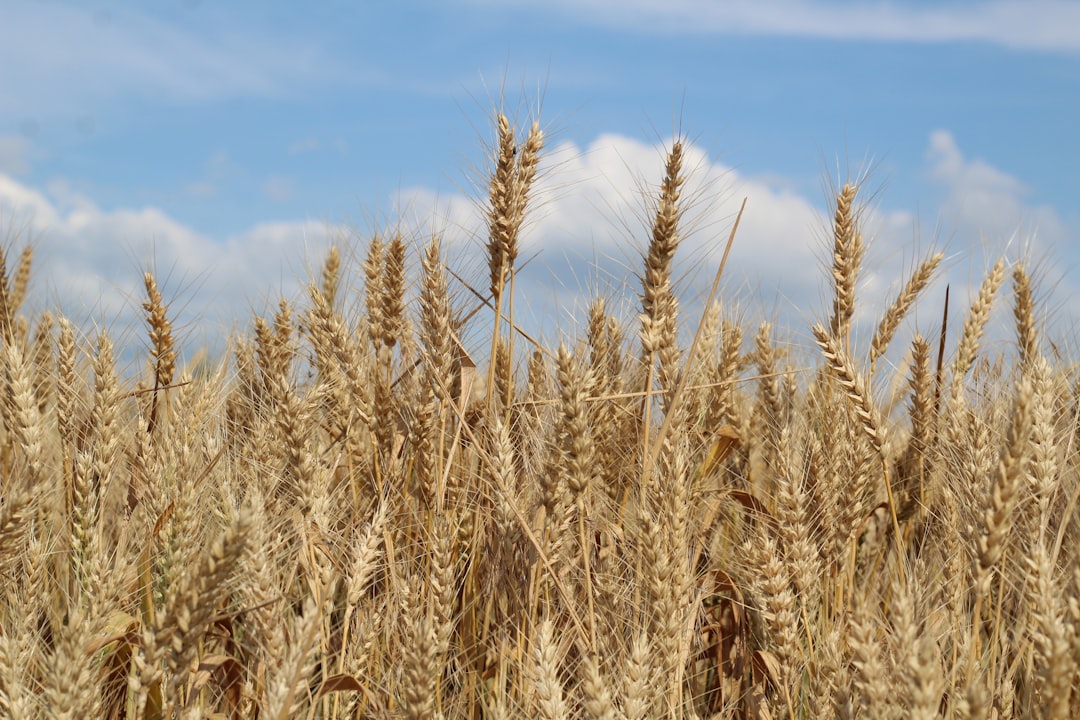
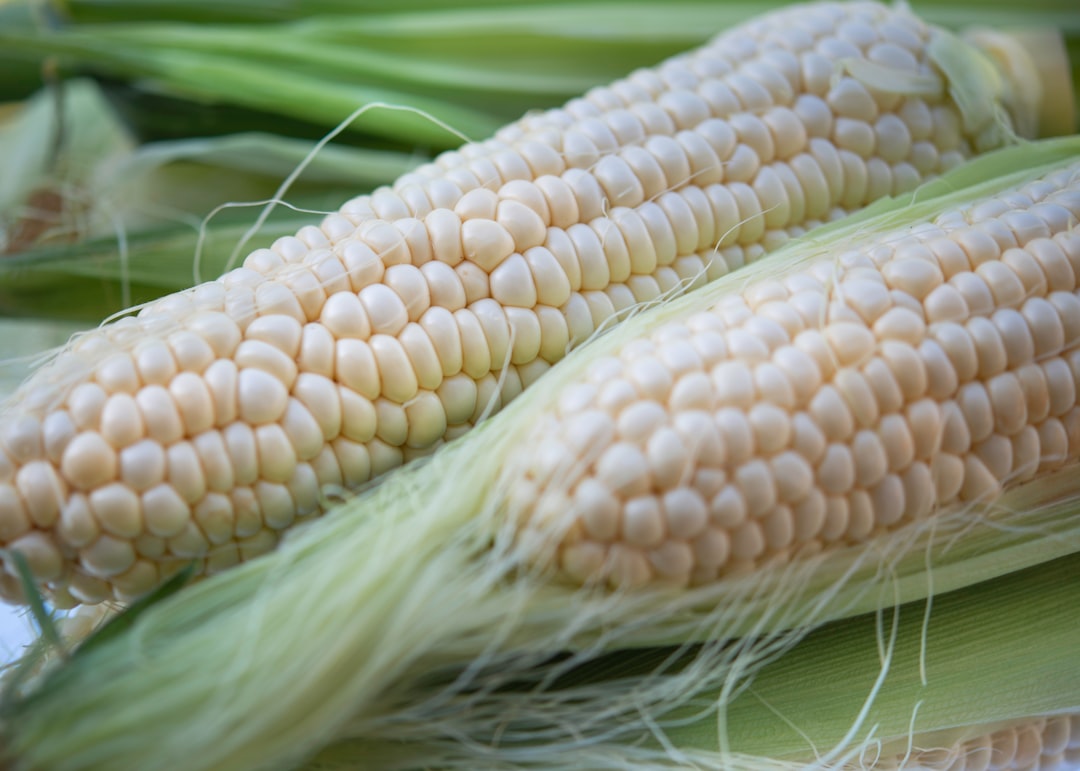
An agricultural commodity ETF is a fund that tracks the price performance of agricultural goods — think wheat, corn, soybeans, sugar, coffee, cocoa, and livestock. Instead of buying futures contracts yourself (which requires a brokerage account with derivatives access and a solid stomach for volatility), the ETF does the heavy lifting. You just buy shares like you would with any stock.
There are three main types of agricultural ETFs you’ll encounter:
- Futures-based ETFs — These track commodity futures contracts (e.g., CORN, WEAT, SOYB). They follow price movements closely but suffer from a phenomenon called contango, where rolling over expiring futures contracts can erode returns over time. This is a critical detail most beginners miss.
- Equity-based ETFs — These invest in stocks of companies within the agricultural sector: fertilizer makers, seed companies, farm equipment manufacturers (e.g., MOO — VanEck Agribusiness ETF). Less direct exposure to commodity prices, but more stable and less affected by contango.
- Broad commodity ETFs with ag exposure — Funds like DJP or PDBC include agricultural commodities as part of a diversified basket. Lower concentration risk, but also diluted upside from pure-play ag moves.
The Data Behind Agricultural Commodity Trends
Here’s where it gets interesting. Between 2020 and 2022, the S&P GSCI Agriculture Index surged approximately 80%, driven by pandemic-related supply chain disruptions, the Russia-Ukraine war (both are major wheat and corn exporters), and climate-induced harvest failures across Asia and Europe. The WEAT ETF alone spiked over 60% in a single quarter following Russia’s 2022 invasion of Ukraine.
But — and this is important — by late 2023, many of those gains had partially reversed as supply normalized. This underscores a core truth: agricultural ETFs are cyclical and event-driven. They reward investors who understand macro trends, not those chasing short-term price spikes.
According to the FAO (Food and Agriculture Organization of the United Nations), global food demand is projected to increase by 50% by 2050 due to population growth and shifting diets in emerging markets. That’s a structural tailwind — but it plays out over decades, not quarters.
Real-World Examples: Domestic and International
Let’s look at how this plays out in practice, both globally and closer to home.
🌍 International Example — WEAT (Teucrium Wheat Fund): This U.S.-listed ETF is one of the most direct ways to gain wheat price exposure. It uses a blend of three different futures contract maturities to reduce contango drag — a smarter structure than single-contract funds. During the 2022 Ukraine crisis, WEAT jumped from around $7 to nearly $12 per share in weeks. However, it has also spent long periods in slow decline between commodity supercycles. It’s a tactical instrument, not a buy-and-hold forever fund.
🌏 Korean Market Context (농산물 ETF 국내 사례): Korean investors increasingly access agricultural exposure through products listed on the KRX (Korea Exchange). Funds like KODEX 3대농산물선물(H) track corn, wheat, and soybean futures simultaneously with currency hedging. Similarly, TIGER 농산물선물Enhanced(H) employs an enhanced roll strategy to mitigate the contango problem. These are particularly relevant for Korean investors who want commodity exposure without the currency risk of USD-denominated products.
🏦 Equity ETF Example — MOO (VanEck Agribusiness ETF): MOO holds shares in companies like Nutrien (fertilizers), Deere & Company (equipment), and Archer-Daniels-Midland (food processing). Over the past 10 years, MOO has delivered more consistent returns than pure futures ETFs because corporate earnings smooth out raw commodity volatility. It’s a great option for investors who believe in the agricultural megatrend but don’t want the rollercoaster of futures exposure.
Key Risks You Should Reason Through Before Investing
- Contango erosion: Futures-based ETFs can lose value even when the underlying commodity stays flat, due to the cost of rolling contracts. Always check the fund’s roll strategy.
- Weather and geopolitical shocks: Agricultural markets are uniquely exposed to climate events (droughts, floods) and geopolitical disruptions. This creates both opportunity and sudden drawdown risk.
- Seasonal cycles: Crop prices follow planting and harvest cycles. Timing matters more here than in most equity investments.
- Currency exposure: If you’re investing in USD-denominated ETFs from a non-USD base currency (like KRW), exchange rate movements can significantly affect your real returns.
- Regulatory and tax differences: In South Korea, gains from overseas ETFs are taxed as 금융투자소득세 (financial investment income tax) under evolving legislation — always consult a local tax advisor.
A Realistic Portfolio Approach
Rather than going all-in on a single commodity ETF, a more balanced approach might look like this:
- Core holding (50-60%): Equity-based ag ETF like MOO for long-term structural exposure
- Tactical position (20-30%): A specific futures ETF (WEAT or CORN) when a clear macro catalyst is present
- Diversification buffer (10-20%): A broad commodity ETF like PDBC that includes agriculture alongside energy and metals
This structure lets you ride the long-term food security megatrend while still having the flexibility to capitalize on short-term commodity dislocations — without betting everything on a single harvest season.
Conclusion: Is Agricultural ETF Investing Right for You?
If you believe — as many economists do — that food security will be one of the defining geopolitical and economic challenges of the next 30 years, then agricultural ETFs deserve a place in your research, if not your portfolio. They offer real diversification benefits (commodities often move independently of stocks and bonds), inflation-hedging properties, and exposure to genuine global megatrends.
But they’re not a set-it-and-forget-it investment. They require you to stay informed about crop reports, weather patterns, global trade policy, and futures mechanics. The good news? Once you get the hang of reading USDA crop reports and understanding supply cycle dynamics, you’ll never look at a supermarket receipt the same way again.
Realistic Alternative: If futures ETFs feel too complex or volatile, consider starting with MOO or a similar agribusiness equity ETF. You’ll still participate in the agricultural economy’s growth — just through the lens of corporate earnings rather than raw commodity price swings. Lower ceiling, but also a much smoother ride.
Editor’s Comment : Agricultural ETFs are one of those rare investment categories where real-world intuition — noticing food prices, reading about droughts, following geopolitical news — actually translates into investment edge. The learning curve is real, especially around futures mechanics, but the framework is learnable. Start small, track one commodity closely for a season, and let your understanding compound before your capital does. That’s the smarter farm-to-portfolio approach.
태그: [‘agricultural ETF’, ‘commodity ETF investing’, ‘WEAT ETF’, ‘MOO agribusiness ETF’, ‘농산물 ETF’, ‘food commodity investment’, ‘beginner ETF guide’]