A few years back, a friend of mine — a software engineer with zero farming background — casually mentioned he’d made more money tracking drought patterns and corn futures than he had on any tech stock that year. At the time, I thought he was joking. He wasn’t. That conversation sent me down a rabbit hole into the world of agricultural commodity ETFs, and honestly, it reshaped the way I think about portfolio diversification entirely.
If you’ve been curious about investing in food commodities — things like wheat, soybeans, corn, sugar, or livestock — but don’t want to deal with the complexity of futures contracts or the risk of buying individual agri-stocks, agricultural ETFs (Exchange-Traded Funds) might be exactly the bridge you’re looking for. Let’s think through this together.
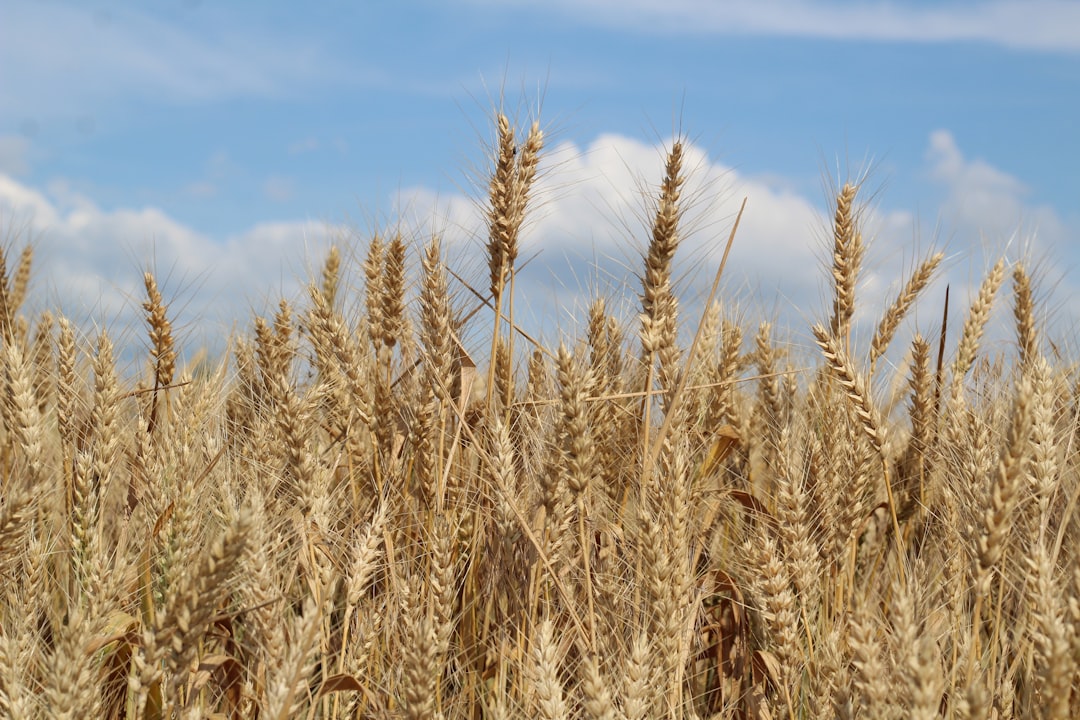
What Exactly Are Agricultural Commodity ETFs?
An agricultural ETF is a fund that tracks the price performance of one or more agricultural commodities — either directly through futures contracts, or indirectly through stocks of companies involved in food production, fertilizers, and agribusiness. Think of it as buying a basket of farm goods without ever touching a tractor.
There are two main flavors:
- Commodity-based ETFs: These track the raw material prices directly — like corn or wheat futures. Examples include Teucrium Wheat Fund (WEAT) and Teucrium Corn Fund (CORN).
- Agribusiness equity ETFs: These invest in company stocks across the agricultural supply chain — seed makers, fertilizer companies, and food processors. The most well-known is VanEck Vectors Agribusiness ETF (MOO).
- Broad agricultural basket ETFs: These spread exposure across multiple commodities at once — like Invesco DB Agriculture Fund (DBA), which holds corn, soybeans, wheat, sugar, and more.
- Farmland-focused REITs and ETFs: A newer category, exemplified by Gladstone Land (LAND) or iShares MSCI Global Agriculture Producers ETF (VEGI), which gives exposure to actual land ownership and production.
Key Data Points Worth Knowing Before You Invest
Let’s ground this in real numbers. According to Bloomberg and Morningstar data from 2023:
- DBA (Invesco DB Agriculture Fund) had an AUM of approximately $850 million and a 1-year return hovering around +9.4% during the 2022 commodity supercycle — outperforming the S&P 500 that year.
- MOO (VanEck Agribusiness ETF) holds heavyweights like Deere & Company, Nutrien, and Archer-Daniels-Midland, with an expense ratio of 0.53% — relatively reasonable for sector ETFs.
- WEAT (Teucrium Wheat Fund) spiked dramatically in early 2022 following Russia’s invasion of Ukraine, temporarily surging over 70% as global wheat supply fears peaked — a sobering reminder that geopolitics can supercharge (and destabilize) agri-investments overnight.
- The global agricultural ETF market is projected to grow at a CAGR of roughly 6.2% through 2028, driven by food security concerns, climate-change-related supply disruptions, and increasing institutional ESG interest in sustainable food systems.
Domestic and International Examples in Action
Internationally, the U.S. dominates agri-ETF offerings, but the trend is global. In South Korea, retail investors have increasingly accessed agricultural exposure through KODEX 농업(Agriculture) ETF listed on the Korea Exchange, which tracks agribusiness companies across Asia and North America. Similarly, in Europe, the WisdomTree Grains ETF provides UK and EU investors with diversified commodity grain exposure without navigating U.S.-only products.
In Japan, the NEXT FUNDS 農業・食料 ETF has grown in popularity among investors concerned about yen depreciation and food import vulnerability — a clever dual hedge play. Meanwhile, Brazilian-listed ETFs tied to soybean and sugar production have attracted attention given that Brazil accounts for nearly 60% of global soybean exports.
What’s particularly interesting is how these instruments are being used not just for profit, but as inflation hedges. During the 2021–2023 global inflation surge, institutional funds in Germany and the Netherlands significantly increased their allocations to grain and soft commodity ETFs as a counterweight to fixed-income losses.
The Risks You Genuinely Need to Factor In
Here’s where I want to be really honest with you — agricultural ETFs aren’t a sleepy, low-risk play. They come with some specific risks that equity-focused investors often underestimate:
- Contango drag (for futures-based ETFs): When futures contracts roll over monthly, you can lose value even if spot prices remain flat. This is a known structural weakness of pure commodity ETFs like DBA or CORN.
- Weather and climate volatility: El Niño and La Niña cycles, unexpected droughts, and floods can cause extreme price swings in short timeframes — making stop-loss strategies essential.
- Geopolitical supply shocks: As the Ukraine-Russia wheat crisis demonstrated, political events halfway around the world can directly crash or spike your ETF’s value within days.
- Currency risk: For non-U.S. investors buying USD-denominated ETFs, exchange rate fluctuations add an invisible layer of risk.
Realistic Alternatives If Agricultural ETFs Feel Too Volatile
If pure commodity ETFs feel too roller-coaster for your risk tolerance, here are some more measured ways to get agricultural exposure:
- Agribusiness equity ETFs like MOO or VEGI — less volatile than raw commodity funds since you’re investing in companies with diversified revenue streams, not just crop prices.
- Farmland REITs — Gladstone Land (LAND) or Farmland Partners (FPI) offer a more stable, income-oriented approach. You’re essentially a passive farmland landlord collecting rent.
- Water and soil ETFs — Funds like Invesco Water Resources ETF (PHO) offer indirect agricultural exposure through water infrastructure, which underpins all food production.
- Sustainable food theme ETFs — Like SOIL ETF by HANetf, which focuses on precision agriculture, vertical farming, and food tech — a growth play with an ESG angle.
The key is matching the instrument to your investment horizon and stomach for volatility. A pure wheat ETF for a 3-month trade is very different from a farmland REIT you hold for a decade as an inflation hedge.
Editor’s Comment : Agriculture is one of those investment spaces that rewards patient, well-informed investors but punishes those who treat it like a trending stock. The fundamentals are genuinely compelling — population growth, climate stress on food supply, deglobalization of food chains — but the mechanics of futures-based ETFs can quietly erode gains if you’re not paying attention to things like roll yield and seasonal cycles. My honest advice? Start with a broad basket like DBA or an agribusiness equity fund like MOO, keep your allocation modest (5–10% of your portfolio), and treat it as a long-term structural hedge rather than a speculative bet. The farm has always been humanity’s most essential asset — it just took Wall Street a while to properly package it.
태그: [‘agricultural ETF’, ‘commodity ETF investing’, ‘DBA ETF’, ‘agribusiness stocks’, ‘farmland investment’, ‘inflation hedge ETF’, ‘food commodity funds’]