A few years ago, my neighbor’s mother — a sharp, witty 78-year-old who could recite poetry by heart — started forgetting names. Then faces. Then her own address. Her family had done everything “right” medically, but when I sat down with her daughter over coffee, she said something that stuck with me: “We never really thought about what she was eating.” That conversation sent me deep into the research on dementia prevention diets, and honestly? The findings are both hopeful and surprisingly practical.
So let’s think through this together — not as a medical prescription, but as a realistic, science-informed look at how food choices can genuinely influence cognitive aging.
Why Diet Matters More Than We Thought for Brain Health
Dementia affects over 55 million people worldwide as of 2026, and Alzheimer’s disease alone accounts for 60–70% of those cases (WHO, 2026 estimates). For decades, the medical world focused primarily on genetics and pharmaceuticals. But emerging research — particularly from the MIND diet studies at Rush University — tells a different story: up to 35% of dementia cases may be preventable through lifestyle modifications, with diet playing a leading role.
Here’s the key mechanism worth understanding: chronic neuroinflammation and oxidative stress are two of the biggest drivers of cognitive decline. The right foods can actively combat both. Think of it like rust-proofing your brain — not glamorous, but incredibly effective over time.
The MIND Diet: The Gold Standard in Dementia Prevention Research
The MIND diet (Mediterranean-DASH Intervention for Neurodegenerative Delay) was specifically designed to protect the aging brain. Unlike generic “eat healthy” advice, it’s built on neuroscience. A landmark study following 900+ seniors over 4.5 years found that strict adherence to the MIND diet was associated with a 53% reduction in Alzheimer’s risk, and even moderate adherence showed a 35% reduction.
The MIND diet emphasizes 10 brain-healthy food groups:
- Leafy green vegetables (kale, spinach, collards) — at least 6 servings per week. Packed with folate, vitamin K, and lutein, which support neural signaling.
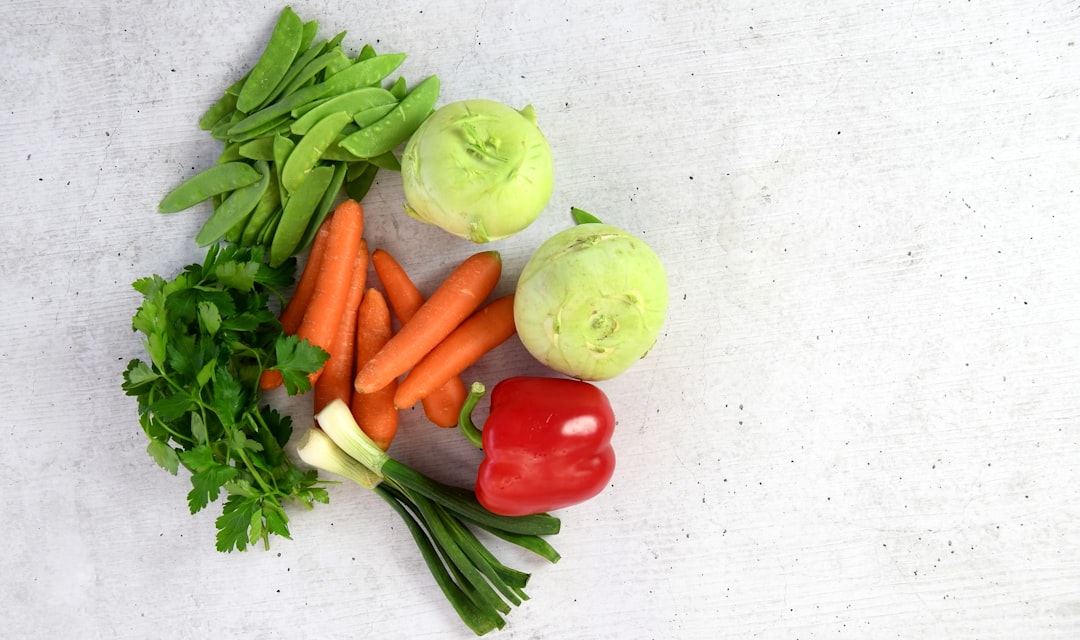
- Other vegetables — at least 1 serving daily. Variety matters here; think bell peppers, broccoli, carrots.
- Berries — at least 2 servings per week. Blueberries and strawberries are especially rich in flavonoids that cross the blood-brain barrier.
- Nuts — at least 5 servings per week. Walnuts, in particular, contain alpha-linolenic acid (ALA), a plant-based omega-3.
- Olive oil — used as the primary cooking fat. Its oleocanthal compound mimics anti-inflammatory effects of ibuprofen.
- Whole grains — at least 3 servings per day. They stabilize blood sugar, which directly protects cognitive function.
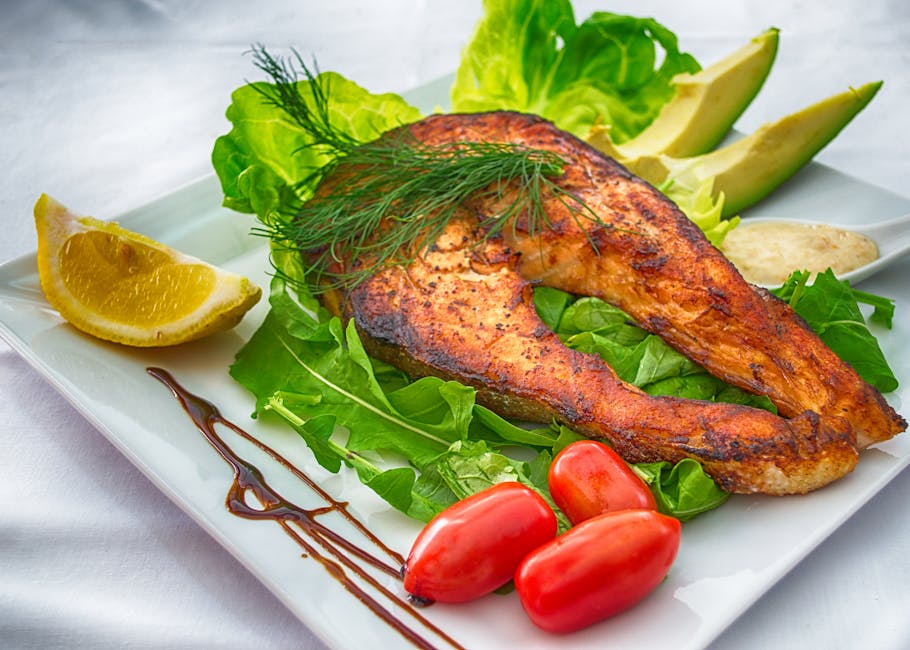
- Fish — at least 1 serving per week. Fatty fish like salmon, mackerel, and sardines are rich in DHA and EPA omega-3s.
- Beans/legumes — at least 4 meals per week. High fiber content supports the gut-brain axis.
- Poultry — at least 2 servings per week. Lean protein without the saturated fat load of red meat.
- Wine — optionally, up to 1 glass per day. This remains debated; the polyphenol resveratrol may help, but current 2026 guidelines suggest caution for seniors with any health complications.
What to Actively Avoid: The 5 Dementia-Risk Foods
Equally important is what the MIND diet restricts — and this is where many senior diets quietly go wrong:
- Red meat — limit to fewer than 4 servings per week. Saturated fats promote amyloid plaque buildup.
- Butter and margarine — less than 1 tablespoon daily. Trans fats in margarine are particularly harmful to vascular health in the brain.
- Cheese — fewer than 1 serving per week. Again, saturated fat is the concern.
- Pastries and sweets — fewer than 5 servings per week. The sugar spike-and-crash cycle is brutal for brain cell health.
- Fried or fast food — less than 1 serving per week. Advanced glycation end-products (AGEs) from frying accelerate brain aging.
Real-World Examples: What Countries Are Getting Right
Japan consistently ranks among the top nations for longevity and low dementia rates relative to population aging. Okinawa’s traditional diet — rich in purple sweet potatoes, tofu, seaweed, and bitter melon — shares remarkable overlap with MIND diet principles. The high flavonoid content in purple foods and the anti-inflammatory properties of seaweed are now being studied in clinical trials at Kyoto University (2025–2026 ongoing research).
Meanwhile, in South Korea, the traditional banchan meal structure — featuring fermented vegetables like kimchi, multiple vegetable side dishes, and fish-based broths — is gaining attention from neurologists. A 2025 Seoul National University study found that elderly Koreans who maintained traditional dietary patterns showed significantly slower rates of hippocampal volume loss compared to those who adopted Western dietary habits. The gut-brain connection here is critical: kimchi’s lactobacillus strains appear to reduce neuroinflammatory markers.
In the Mediterranean region, longitudinal studies from Spain’s PREDIMED-Plus trial (now reporting 2026 follow-up data) continue to confirm that olive oil-rich, plant-forward diets reduce cognitive decline risk by measurable margins in adults over 65.
Practical Meal Planning for Seniors: Making It Actually Work
Here’s where I want to be honest with you — the research is compelling, but implementing dietary change for elderly individuals comes with real barriers: dental issues, appetite loss, medication interactions, cooking limitations, and social isolation all affect what seniors actually eat.
So here are realistic, tailored alternatives based on common situations:
- If chewing is difficult: Smoothies with spinach, blueberries, ground flaxseed, and almond butter hit multiple MIND diet targets in one drinkable meal. Soft-cooked salmon with mashed sweet potato is another excellent option.
- If appetite is low: Caloric density matters — a small handful of walnuts delivers substantial nutrition without requiring a large meal. Prioritize nutrient-dense foods over volume.
- If cooking independently is challenging: Many senior meal delivery services in 2026 now offer MIND diet-aligned meal plans. Look for programs through local Area Agencies on Aging or community health organizations.
- If budget is tight: Frozen berries, canned sardines, dried lentils, and frozen leafy greens offer the same nutritional benefits as fresh versions at a fraction of the cost — this is backed by nutritional science, not a compromise.
- If social eating is limited: Community dining programs at senior centers often provide structured meals. Research shows that how we eat (shared meals, enjoyment, calm environment) also influences cognitive outcomes.
A Note on Supplements: Useful, But Not a Replacement
Omega-3 supplements (specifically DHA), vitamin D, and B-complex vitamins (particularly B6, B12, and folate) have supporting evidence for cognitive health. However, 2026 clinical consensus is clear: whole food sources remain superior to isolated supplements because of the synergistic effect of multiple compounds working together. Supplements are useful gap-fillers, not foundations.
Always consult a physician before introducing supplements for seniors, particularly regarding B12 absorption issues common in older adults and potential interactions with blood thinners (relevant when consuming omega-3s).
Conclusion: Small Shifts, Long-Term Protection
What I find genuinely encouraging about dementia prevention through diet is that you don’t need perfection — you need consistency over time. Adding two handfuls of berries to your weekly routine, switching from butter to olive oil, choosing salmon once a week — these aren’t radical lifestyle overhauls. They’re realistic, evidence-backed nudges that compound into meaningful protection over years.
If you’re caring for an elderly parent or planning ahead for your own cognitive future, start with one MIND diet principle this week. Just one. Then build from there. The brain you’re protecting has a lifetime of memories worth keeping.
Editor’s Comment : What strikes me most about dementia prevention research in 2026 is how empowering it actually is — we’ve moved far beyond “it’s all genetic fate.” The gut-brain axis research emerging from Korean and Japanese longitudinal studies is particularly exciting, and I think fermented foods will become a much bigger part of mainstream cognitive health conversations over the next few years. If there’s one thing I’d urge every reader to do today: add a handful of blueberries and a small serving of walnuts to tomorrow’s breakfast. It costs almost nothing, takes zero cooking skill, and the evidence behind it is genuinely solid.
태그: [‘dementia prevention diet’, ‘MIND diet for seniors’, ‘brain health foods 2026’, “Alzheimer’s prevention nutrition”, ‘cognitive decline diet’, ‘elderly nutrition plan’, ‘foods that prevent dementia’]