A friend of mine — a civil engineer who spends most of his days sourcing materials for EV charging infrastructure projects — casually mentioned last month that copper pricing conversations had become the most stressful part of his job. “It’s like trying to budget for a road trip when gas prices change every hour,” he laughed. That offhand comment sent me deep into the world of copper ETFs, and honestly? What I found is more compelling than I expected.
Copper sits at this fascinating intersection of old-school industrial demand and cutting-edge green energy transition. And in 2026, that intersection is busier than ever. So let’s think through the copper ETF landscape together — the returns, the risks, and whether this shiny reddish asset deserves a spot in your investment strategy.
Why Copper Demand Is Structurally Different in 2026
Before we dive into ETF returns, it helps to understand why copper is commanding so much attention. Unlike gold, which thrives on fear, copper is called “Dr. Copper” by economists because its price is often a reliable indicator of global economic health. But in 2026, it has an additional layer: the green energy supercycle.
Consider these structural demand drivers:
- EV Manufacturing: A single electric vehicle requires 2.5 to 4 times more copper than a traditional combustion engine vehicle. With global EV adoption accelerating past 35% market share in new car sales in early 2026, the math adds up fast.
- Grid Infrastructure: Governments across the EU, US, and Southeast Asia are aggressively expanding electrical grids to support renewable energy. Copper wiring is non-negotiable here.
- AI Data Centers: Here’s one people overlook — the explosion of AI infrastructure requires massive copper-intensive cooling and power delivery systems.
- Supply Constraints: Major copper-producing nations like Chile and Peru are facing labor disputes and aging mine infrastructure, keeping supply tight relative to demand.
Breaking Down Copper ETF Returns in 2026
Now let’s get into the actual numbers. Copper ETFs generally fall into two categories: physically backed (holding actual copper) and futures-based (tracking copper futures contracts). Understanding this distinction is crucial because it directly impacts your returns.
Physically Backed ETFs — The most prominent example globally is the Global X Copper Miners ETF (COPX), which doesn’t hold physical copper but tracks mining companies. As of Q1 2026, COPX has posted approximately +18.4% year-to-date returns, buoyed by strong earnings from majors like Freeport-McMoRan and BHP’s copper division.
Futures-Based ETFs — Products like the iPath Series B Bloomberg Copper Subindex Total Return ETN (JJC) track copper futures directly. These instruments carry what’s called contango risk — when futures prices are higher than spot prices, rolling contracts forward can erode returns over time. JJC has delivered roughly +11.2% YTD in 2026, lagging miner-focused ETFs but offering more direct commodity exposure.
For context, copper spot prices on the LME (London Metal Exchange) touched $10,800 per metric ton in February 2026 before settling around $10,200 in mid-March — still historically elevated territory.
International Copper ETF Examples Worth Watching
Let’s look at how different markets are playing this:
United States: Beyond COPX and JJC, the Sprott Copper Miners ETF (COPP) has gained traction in 2026 with its focus on pure-play copper miners, returning approximately +21% YTD. This is a more concentrated bet — higher upside, but also higher volatility.
Europe: The WisdomTree Copper ETP listed on the London Stock Exchange offers physically-backed copper exposure in GBP-denominated form. European investors have flocked to this product given the EU’s Critical Raw Materials Act, which designates copper as a strategic material. Returns in EUR terms sit around +14.8% YTD, partly cushioned by currency dynamics.
South Korea & Asia: Korean retail investors have shown increasing interest in copper ETFs through products like the KODEX Copper Futures ETF listed on the KRX. Given Korea’s massive EV battery and semiconductor manufacturing sectors, this isn’t just speculation — it’s a partial hedge against supply chain copper costs for many Korean industrial investors.
The Risks You Genuinely Need to Consider
I’d be doing you a disservice if I only talked about the upside. Here’s what can go wrong:
- China Demand Slowdown: China consumes roughly 55% of the world’s copper. Any meaningful economic deceleration — and there are ongoing concerns about China’s property sector recovery — can send copper prices tumbling.
- Contango Erosion in Futures ETFs: As mentioned, futures-based products can significantly underperform spot copper prices over long holding periods. This is often called “roll yield drag.”
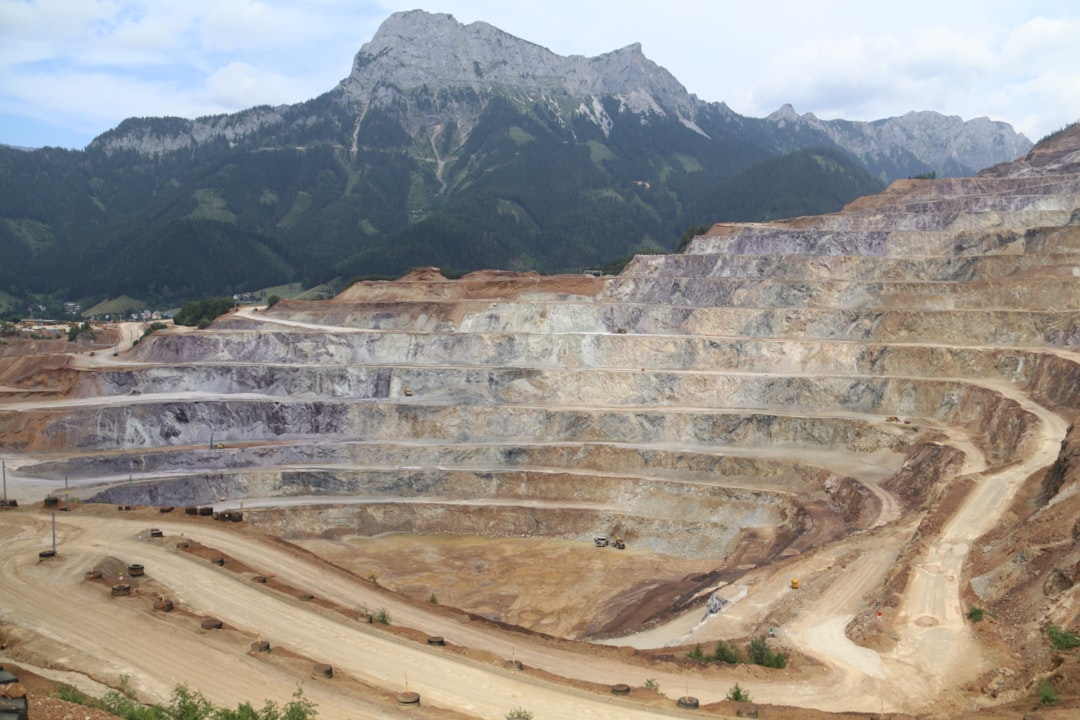
- Mining Company-Specific Risks: Miner ETFs like COPX are exposed to labor strikes, environmental regulations, and geopolitical instability in mining regions — not just copper prices.
- USD Strength: Copper is priced in US dollars. A strong dollar typically pressures commodity prices downward, which could offset gains even if underlying demand stays strong.
- Technological Substitution (Long-Term): While unlikely in the near term, research into aluminum and carbon nanotube alternatives to copper wiring in some applications is ongoing.
Realistic Alternatives Tailored to Your Situation
Not everyone should rush into a pure copper ETF. Let’s think through some scenarios:
If you want copper exposure but lower volatility: Consider a broad commodities ETF like the Invesco DB Commodity Index Tracking Fund (DBC), which includes copper alongside energy and agriculture. You get diversified commodity exposure without a concentrated copper bet.
If you believe in the green energy thesis broadly: A clean energy ETF like iShares Global Clean Energy ETF (ICLN) gives you indirect copper exposure through solar, wind, and EV companies without directly betting on metal prices.
If you’re an active investor with higher risk tolerance: Individual copper mining stocks like Freeport-McMoRan (FCX) or Southern Copper (SCCO) offer leveraged exposure to copper prices with added upside from operational efficiency improvements. But do your fundamental homework first.
If you want minimal fuss: Even allocating 3–5% of a diversified portfolio to COPX as a thematic “green transition” play is a measured, thoughtful approach rather than a moonshot bet.
The key insight here is that copper’s story in 2026 isn’t just a cyclical commodity trade — it’s a structural multi-year theme. But that doesn’t mean you should over-concentrate. Position sizing matters enormously.
Editor’s Comment : Copper ETFs in 2026 are genuinely one of the more intellectually interesting corners of the commodity market — because the bull case isn’t built on speculation but on things we can actually count: EV cables, wind turbine coils, and data center power lines. That said, “interesting thesis” and “right position size for your portfolio” are two very different questions. If you’re new to commodities, start small, understand the ETF structure you’re buying (futures vs. miners vs. physical), and treat copper as a satellite position rather than a core holding. The red metal has a bright future — just make sure your exposure matches your actual risk tolerance, not just your excitement level.
태그: [‘copper ETF’, ‘copper ETF returns 2026’, ‘COPX analysis’, ‘commodity investing’, ‘green energy ETF’, ‘copper price forecast 2026’, ‘copper mining stocks’]