Picture this: it’s early 2026, and you’re watching crude oil prices swing wildly on the back of geopolitical tensions in the Middle East while gold quietly creeps toward new all-time highs. Your friend texts you: “Hey, should I just buy a commodity ETF and ride this out?” It’s a deceptively simple question — and the honest answer is a lot more nuanced than a simple yes or no.
Commodity ETFs (Exchange-Traded Funds tied to raw materials like oil, gold, agricultural products, and industrial metals) have grown into a $300+ billion global market by 2026, attracting everyone from seasoned portfolio managers to first-time retail investors looking for inflation hedges. But like any financial instrument, they come with trade-offs that aren’t always obvious at first glance. Let’s think through this together — carefully and honestly.
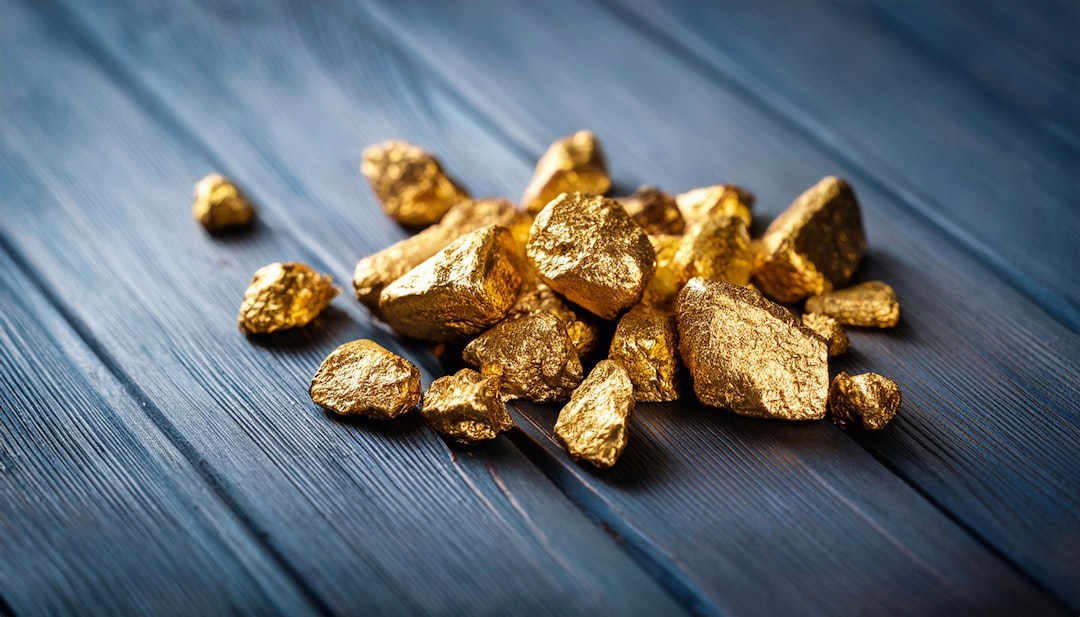
🔍 What Exactly Is a Commodity ETF?
Before we dive into pros and cons, let’s make sure we’re on the same page. A commodity ETF is a fund that tracks the price of one or more raw materials. There are three main structures:
- Physical-backed ETFs: The fund actually holds the physical asset (most common with gold, silver). Example: SPDR Gold Shares (GLD).
- Futures-based ETFs: The fund holds futures contracts rather than the physical commodity. This is the standard for oil, natural gas, and agricultural goods.
- Equity-based commodity ETFs: Instead of holding the commodity itself, these hold stocks of companies that produce commodities (e.g., mining or energy firms).
Understanding which type you’re buying is absolutely critical — and here’s why that matters enormously when we get to the cons section.
✅ The Real Advantages of Commodity ETFs
1. Inflation Hedging That Actually Works (Sometimes)
In 2022–2023, when global inflation peaked, commodity ETFs posted some of the strongest returns across asset classes. The Bloomberg Commodity Index gained over 25% in 2022 alone while the S&P 500 fell nearly 20%. In 2026, with inflation running in the 3–4% range in the U.S. and higher in emerging markets, commodities remain a go-to diversification tool. Physical gold ETFs in particular have historically maintained purchasing power over multi-decade periods.
2. Low Barrier to Entry & Liquidity
You can buy a gold ETF for the price of a single share — sometimes under $20. Compare this to buying actual gold bars (storage costs, dealer premiums, insurance) or trading commodities futures yourself (which requires significant capital and expertise). ETFs democratize access in a meaningful way.
3. Portfolio Diversification
Commodity prices often move independently of stocks and bonds — what investment professionals call low correlation. When equity markets tumble, energy or agricultural ETFs may hold steady or even rise, smoothing out overall portfolio volatility. A well-known 2026 Vanguard portfolio analysis showed that adding a 10–15% commodity ETF allocation reduced portfolio drawdown by approximately 8% during risk-off periods.
4. Sector-Specific Exposure
Want to bet on the lithium boom driven by EV demand? There’s a lithium ETF for that. Bullish on agricultural commodities due to climate disruption? There are grain and soft commodity ETFs. The ETF structure lets you express precise macro views without picking individual stocks.
❌ The Real Disadvantages — And These Are Significant
1. Contango: The Invisible Portfolio Killer
This is the big one that most beginner investors don’t understand until it’s too late. Futures-based ETFs must regularly roll over their contracts — selling expiring futures and buying new ones. When the futures market is in contango (future prices are higher than current spot prices, which is normal in oil markets), you’re constantly selling low and buying high just to maintain your position. The result? Your ETF can lose value even if the underlying commodity price stays flat or rises slightly. The United States Oil Fund (USO) famously demonstrated this: in certain multi-year periods, oil prices were roughly flat while USO lost 30–40% of its value.
2. Tracking Error & Management Fees
Even well-managed commodity ETFs don’t perfectly replicate the spot price of their underlying asset. Fees range from 0.15% (for simple gold ETFs) to over 0.95% annually for more complex multi-commodity funds. Over a decade, that compounding cost is substantial.
3. Tax Complexity
In the U.S., physically-backed precious metals ETFs are classified as collectibles for tax purposes, meaning long-term gains are taxed at up to 28% — higher than the standard 15–20% capital gains rate for stocks. Futures-based ETFs operate under a 60/40 rule (60% long-term, 40% short-term gains), which can surprise investors at tax time.
4. Volatility Can Be Extreme
Natural gas prices swung over 200% in a single year during the European energy crisis. Agricultural ETFs can spike 40% due to a single drought season. This volatility makes commodity ETFs unsuitable as a core holding for risk-averse investors or those with short time horizons.
5. No Yield or Dividends
Unlike dividend stocks or bond ETFs, commodity ETFs (especially physical ones) generate zero income. You’re entirely dependent on price appreciation — a meaningful trade-off in a higher-interest-rate environment like 2026.
🌍 Real-World Examples: How Investors Are Using Commodity ETFs in 2026
South Korea — KODEX Gold Futures ETF: Korean retail investors have significantly increased commodity ETF exposure through 2025–2026 as the Korean won weakened against the dollar. Gold ETFs denominated in KRW provide a natural currency hedge — when the won falls, dollar-priced gold rises in local terms. Net inflows into commodity ETFs on the Korea Exchange exceeded ₩2.3 trillion in the first half of 2026.
United States — iShares S&P GSCI Commodity-Indexed Trust (GSG): This broad-commodity ETF has been used by institutional investors to offset equity drawdowns. However, financial advisors on platforms like Fidelity and Schwab increasingly steer clients toward physically-backed gold ETFs (GLD, IAU) over futures-based broad commodity funds, precisely to avoid the contango problem.
Europe — Amundi Bloomberg Equal-weight Commodity ex-Agriculture UCITS ETF: European ESG-conscious investors favor this fund, which excludes agricultural commodities to avoid ethical concerns around food-price speculation. It’s a good example of how the ETF space has matured to offer more tailored options.
🔄 Smarter Alternatives Worth Considering
If commodity ETFs feel too complex or volatile for your situation, here are some realistic alternatives to consider:
- Commodity Producer Equity ETFs: Funds like VanEck Gold Miners ETF (GDX) or Energy Select Sector SPDR (XLE) give you commodity exposure via company stocks — which pay dividends and don’t suffer from contango. The trade-off is that they correlate more with equity markets.
- TIPS (Treasury Inflation-Protected Securities) ETFs: If your main goal is inflation protection rather than commodity speculation, TIPS ETFs offer direct inflation adjustment with much lower volatility.
- Real Asset REITs: Timberland or farmland REITs provide commodity-adjacent exposure (lumber, agriculture) with the added benefit of dividend income and REIT tax treatment.
- Direct Physical Gold: For long-term wealth preservation specifically, buying physical gold coins or bars — despite the storage friction — avoids tracking error and management fees entirely for buy-and-hold investors.
- Multi-Asset Inflation ETFs: Products like the iShares Inflation Hedged Corporate Bond ETF bundle commodity, TIPS, and real estate exposures into a single vehicle with lower individual volatility.
The right choice genuinely depends on your why: Are you hedging inflation? Speculating on a supply disruption? Diversifying a stock-heavy portfolio? Each goal points to a different tool.
📊 Quick Comparison Summary
- Physical Gold ETF (e.g., GLD, IAU): Low contango risk ✅ | High tax rate ⚠️ | No dividends ❌ | Best for: Long-term inflation hedge
- Futures-based Oil/Gas ETF (e.g., USO, UNG): High contango risk ❌ | Complex tax treatment ⚠️ | No dividends ❌ | Best for: Short-term tactical trades only
- Commodity Producer Equity ETF (e.g., GDX, XLE): No contango ✅ | Standard capital gains tax ✅ | Dividends possible ✅ | Best for: Medium-to-long term investors wanting commodity exposure with equity structure
- Broad Commodity ETF (e.g., PDBC, GSG): Moderate contango risk ⚠️ | Tax complexity ⚠️ | No dividends ❌ | Best for: Macro diversification within a larger portfolio
The bottom line? Commodity ETFs are genuinely useful tools — but they reward informed investors and punish uninformed ones more than most other asset classes. Knowing whether your ETF is futures-based or physical-backed isn’t optional knowledge; it’s the difference between a hedge and a headache.
If you’re new to this space, starting with a physically-backed gold ETF or a commodity producer equity ETF is a lower-risk entry point. Then, as you build comfort with the mechanics, you can explore more complex structures with clear eyes.
Editor’s Comment : Commodity ETFs in 2026 sit at a fascinating crossroads — they’re more accessible than ever, yet more misunderstood than ever too. The surge of retail investor interest following the inflation cycles of the 2020s has brought a lot of new money into a space that genuinely punishes those who skip the homework. My honest take: treat commodity ETFs as a complement to a core portfolio, not a core holding in themselves. Start small (5–10% allocation), understand exactly what structure you’re buying, and revisit your thesis every quarter. The commodity story this decade is real — but so are the structural costs that quietly erode returns if you’re not watching.
태그: [‘commodity ETF’, ‘raw materials investing’, ‘gold ETF’, ‘inflation hedge 2026’, ‘ETF pros and cons’, ‘futures ETF contango’, ‘portfolio diversification’]