Picture this: it’s early 2024, and your coworker won’t stop talking about how they’re getting into Bitcoin spot ETFs the moment they launch. Fast-forward to today — March 2026 — and those early adopters are sitting on a rollercoaster ride that’s equal parts thrilling and stomach-churning. If you missed the initial frenzy or you’re still trying to figure out whether these products deserve a spot in your portfolio, let’s slow down and actually crunch through what the numbers look like right now.
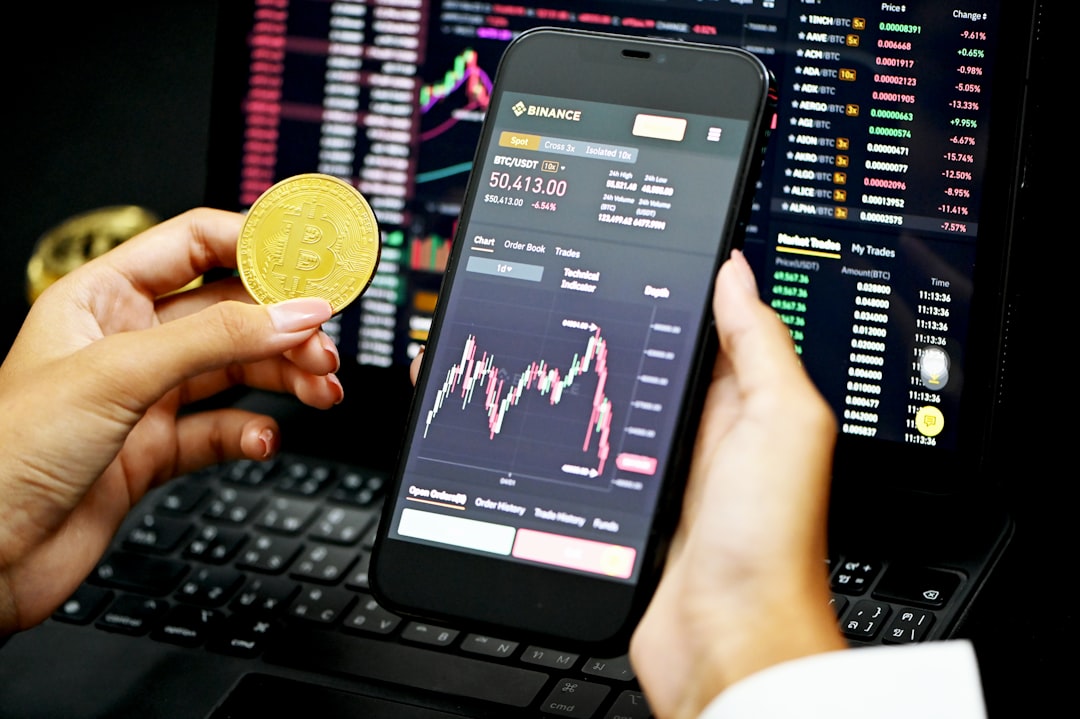
What Exactly Is a Bitcoin Spot ETF — And Why Does It Matter?
Before we dive into returns, a quick level-set for anyone newer to this space. A Bitcoin Spot ETF (Exchange-Traded Fund) holds actual Bitcoin as its underlying asset — not futures contracts, not derivatives, but real BTC held in custody. This is a meaningful distinction from Bitcoin futures ETFs (like the ProShares BITO that launched back in 2021), because spot ETFs track Bitcoin’s real-time price far more accurately without the “roll cost” drag that futures products suffer from.
The approval of spot Bitcoin ETFs in the U.S. by the SEC in January 2024 was a landmark moment. It opened the floodgates for institutional and retail investors alike to gain Bitcoin exposure through traditional brokerage accounts — no crypto wallet required.
Breaking Down the Performance Data: Where Do We Stand in 2026?
Let’s get into the specifics. As of Q1 2026, here’s how the leading Bitcoin spot ETFs have generally shaped up since their U.S. launch window:
- iShares Bitcoin Trust (IBIT) by BlackRock: Widely regarded as the market leader in terms of AUM (Assets Under Management), IBIT crossed $50 billion in AUM within its first year — an unprecedented ETF milestone. From launch through early 2026, cumulative total returns have roughly mirrored Bitcoin’s own price trajectory, though expense ratios (around 0.25%) create a small but consistent drag.
- Fidelity Wise Origin Bitcoin Fund (FBTC): A strong competitor with its own self-custody model, FBTC has appealed particularly to Fidelity’s existing retail investor base. Its returns have tracked closely with IBIT, with a slightly lower fee structure during promotional periods in 2024.
- Bitwise Bitcoin ETF (BITB): Positioned as the crypto-native option, Bitwise has emphasized transparency and on-chain proof of reserves. Slightly smaller in AUM but competitive in performance.
- Invesco Galaxy Bitcoin ETF (BTCO): Gained traction among institutional desks, with returns consistent with the broader peer group.
- VanEck Bitcoin ETF (HODL): Known for its commitment to donating a portion of revenue to Bitcoin developers — a brand differentiator that resonated with certain investor segments.
The headline reality? Bitcoin spot ETF returns in 2026 are deeply tied to Bitcoin’s own price action. These are not actively managed funds trying to beat the market — they’re wrappers. If Bitcoin is up, they’re up. If it corrects, they correct. The value proposition is access and convenience, not alpha generation.
The Volatility Picture — This Is Where It Gets Real
Here’s what the glossy marketing materials don’t always highlight: Bitcoin spot ETFs carry the full volatility profile of Bitcoin itself. We’ve seen Bitcoin go through significant swing cycles between 2024 and 2026 — surging past $100,000 at peak euphoria phases, then retracing 30-40% in correction windows before recovering. For context, traditional equity ETFs like those tracking the S&P 500 typically experience peak-to-trough drawdowns of 20-35% in bear markets. Bitcoin’s corrections can exceed 50-80% in severe cycles. That said, the 2026 market cycle appears to be showing more institutional-floor support than previous cycles, with ETF inflows acting as a partial stabilizer during sell-offs.
International Examples: How Global Markets Are Responding
The U.S. wasn’t alone in this space for long. Canada had already pioneered Bitcoin ETFs as early as 2021 (Purpose Bitcoin ETF on the TSX was a trailblazer), and by 2026, the European market has seen a significant proliferation of Bitcoin ETP (Exchange-Traded Products) offerings through exchanges like Deutsche Börse and Euronext. In Asia, Hong Kong approved spot Bitcoin and Ethereum ETFs in mid-2024, signaling regulatory warming in the region. South Korea remains cautious but is actively discussing frameworks as of early 2026.
What’s interesting is how fee competition has played out globally. U.S. issuers aggressively cut fees during the initial launch period, pressuring European ETP providers (which historically charged 1-2%) to reconsider their pricing. This is genuinely good for retail investors — more competition means lower costs over time.
Key Factors That Influence Your Actual Returns
- Expense Ratio: Even a 0.25% fee compounds meaningfully over 10+ years. Always compare fees across issuers before committing.
- Entry Timing: Given Bitcoin’s volatility, dollar-cost averaging (DCA) — buying fixed amounts at regular intervals — has historically smoothed out return profiles compared to lump-sum investing at market peaks.
- Tax Treatment: In the U.S., Bitcoin ETF gains are taxed as capital gains, just like stock ETFs. Long-term holders (12+ months) benefit from lower capital gains tax rates. Understand your local tax jurisdiction’s treatment before investing.
- Custodial Risk: While ETF structures add regulatory oversight, understanding who holds the underlying Bitcoin (e.g., Coinbase Custody for many U.S. issuers) matters for institutional-level due diligence.
- Liquidity & Spread: Higher-AUM ETFs like IBIT typically have tighter bid-ask spreads, meaning lower implicit transaction costs when buying or selling.
Realistic Alternatives — Because Bitcoin Spot ETFs Aren’t for Everyone
If the volatility profile above made your stomach drop a little, that’s completely valid information about your own risk tolerance. Here are some genuinely thoughtful alternatives worth exploring:
- Crypto-Adjacent Equity ETFs: Funds that hold stocks of companies with significant Bitcoin exposure (like MicroStrategy, Coinbase, or Bitcoin miners) offer indirect exposure with some diversification cushioning. Think ETFs like BITO or WGMI as a blended approach.
- Balanced Portfolio Allocation: Many financial advisors in 2026 are now comfortable recommending a 1-5% Bitcoin allocation within a diversified portfolio — enough to meaningfully participate in upside without portfolio-level devastation in a correction.
- Ethereum Spot ETFs: Approved in the U.S. in mid-2024, Ethereum spot ETFs offer exposure to a different crypto thesis (programmable blockchain infrastructure vs. Bitcoin’s “digital gold” narrative) and have shown distinct return patterns worth analyzing separately.
- Stablecoin Yield Strategies: For investors who want crypto exposure without price volatility, regulated stablecoin yield products (now increasingly available through licensed fintech platforms) offer modest but more predictable returns in the 4-7% APY range.
- Wait-and-Learn: Genuinely, there is nothing wrong with spending the next 3-6 months paper-trading or simply observing Bitcoin ETF price behavior before committing real capital. The product isn’t going anywhere.
The bottom line is this: Bitcoin spot ETFs in 2026 represent one of the most accessible and regulated ways to gain Bitcoin exposure ever created. Their returns are real, their risks are real, and their suitability depends entirely on your personal financial situation, time horizon, and emotional relationship with volatility. Think of them as a tool — a powerful one, but only useful if matched to the right job.
Editor’s Comment : I’ve been watching the Bitcoin ETF space since those first nervous approval days, and what strikes me most in 2026 isn’t just the performance numbers — it’s how normalized the conversation has become. We’re now talking about Bitcoin in the same breath as index funds, and that’s a genuine structural shift. My honest take: if you’re curious, start small, automate your contributions, and resist the urge to check the price daily. The investors I’ve seen do best with these products aren’t the ones who timed the market perfectly — they’re the ones who simply stayed consistent and emotionally detached. That’s boring advice, but boring tends to win over time.
태그: [‘Bitcoin Spot ETF 2026’, ‘Bitcoin ETF Returns Analysis’, ‘IBIT FBTC Performance’, ‘Crypto ETF Investment Strategy’, ‘Bitcoin Portfolio Allocation’, ‘Cryptocurrency ETF Comparison’, ‘Bitcoin Volatility Risk’]