A friend of mine once told me she split her savings equally between a gold ETF and a crude oil ETF — convinced she was “diversifying.” Six months later, both positions had moved in the same direction during a geopolitical spike, and she realized she hadn’t diversified at all. She’d just doubled down on macro risk. That conversation stuck with me, and it’s exactly why I want to walk you through a proper, side-by-side comparison of these two popular commodity ETFs today.
Gold and crude oil ETFs are often lumped together under the “real asset” or “commodity” umbrella, but they behave very differently, serve different portfolio purposes, and carry vastly different risk profiles. Let’s dig in — together.
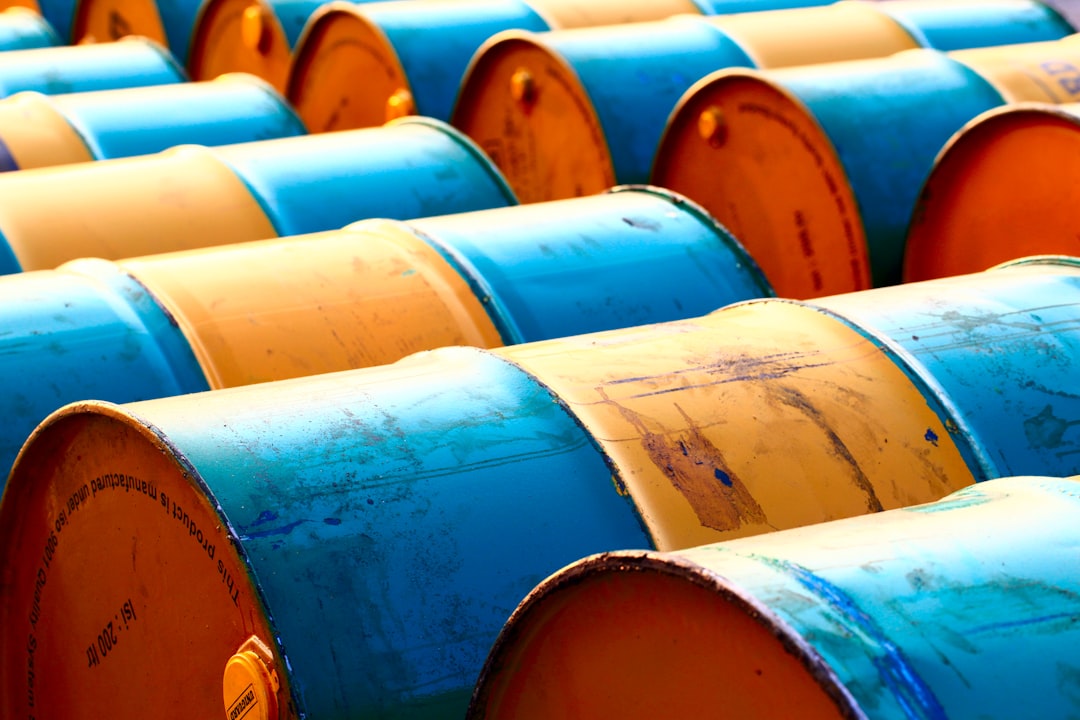
What Exactly Are Gold and Crude Oil ETFs?
Before we compare, let’s make sure we’re on the same page. An ETF (Exchange-Traded Fund) is a basket of assets traded on a stock exchange like a single share. Commodity ETFs give you exposure to physical commodities or commodity futures without needing to store a barrel of oil in your garage or a gold brick under your bed.
- Gold ETFs (e.g., SPDR Gold Shares / GLD, iShares Gold Trust / IAU): These typically hold physical gold or gold futures. GLD, the world’s largest gold ETF, held approximately 840 tonnes of gold as of early 2024, with an AUM exceeding $55 billion USD.
- Crude Oil ETFs (e.g., United States Oil Fund / USO, ProShares Ultra Bloomberg Crude Oil / UCO): These primarily hold WTI crude oil futures contracts, not physical oil. This distinction matters enormously — more on that shortly.
Performance Data: How Have They Actually Performed?
Let’s look at the numbers honestly. Over the past five years (2019–2024), gold has delivered a cumulative return of roughly +65–70%, while crude oil ETFs like USO have shown extreme volatility — famously going negative in April 2020 when WTI futures briefly turned negative (yes, sellers were paying buyers to take oil off their hands). By contrast, gold barely flinched during COVID-19 and hit an all-time high above $2,400/oz in April 2024.
Crude oil did stage a massive recovery in 2021–2022, with Brent crude surging from ~$40 to over $120/barrel following Russia’s invasion of Ukraine. But those gains were difficult to capture efficiently through ETFs due to a structural problem called contango.
The Contango Problem — Why Oil ETFs Quietly Bleed Value
This is the part most casual investors miss. Crude oil ETFs don’t hold physical oil — they hold futures contracts. Every month, as contracts near expiration, the fund must roll them into next month’s contracts. When the futures market is in contango (future prices higher than current prices — which is the norm for oil), you’re constantly selling cheap and buying expensive. This roll cost can erode 5–15% of your position annually, even in a flat oil market. Gold ETFs backed by physical metal don’t have this problem.
Risk Profile Comparison: Side by Side
- Volatility: Crude oil ETFs have an annualized volatility of roughly 40–60%; gold ETFs typically run 12–18%. Oil is dramatically more turbulent.
- Correlation to equities: Gold has a low-to-negative correlation with stocks during crises (it’s a classic safe haven). Oil tends to correlate positively with economic growth — meaning it falls when markets crash.
- Inflation hedge: Both serve as inflation hedges, but gold is more consistent. Oil prices do rise with inflation, but supply shocks and geopolitics can make that relationship unreliable.
- Liquidity: Both major ETFs (GLD, USO) are highly liquid with tight bid-ask spreads, suitable for retail investors.
- Expense ratios: GLD charges 0.40%; IAU charges a competitive 0.25%. USO charges 0.60% — and that’s before the hidden roll costs mentioned above.
Real-World Examples: How Investors Use These ETFs
In South Korea, where commodity ETFs have grown dramatically on the KRX (Korea Exchange), investors frequently use KODEX Gold Futures (H) as a portfolio stabilizer and TIGER Crude Oil Futures Enhanced for tactical plays during oil price spikes. Korean retail investors learned hard lessons during the 2020 oil crash, when leveraged crude oil ETP products caused massive losses — prompting the FSC (Financial Services Commission) to tighten leverage ETF regulations.
In the US market, institutional investors like pension funds often allocate 5–10% of their portfolio to gold ETFs as a hedge, rarely touching oil ETFs directly — preferring instead to gain oil exposure through energy sector equity ETFs (like XLE) to avoid the futures roll problem entirely.
In Europe, physically-backed gold ETCs (Exchange-Traded Commodities) like those offered by WisdomTree or Invesco are extremely popular, precisely because they sidestep the futures complexity that plagues oil products.
So… Which One Should You Actually Choose?
Here’s my honest take: these aren’t interchangeable products, and choosing between them depends entirely on why you want commodity exposure in the first place.
- If your goal is portfolio stability / crisis protection: Gold ETF (IAU or GLD) is the clearer choice. It’s less volatile, has no roll cost drag, and historically holds value when equities fall.
- If your goal is to speculate on short-term oil price moves: A crude oil ETF can work, but keep holding periods short and be very aware of contango drag on longer holds.
- If you want oil exposure without futures risk: Consider an energy equity ETF like XLE (Energy Select Sector SPDR) — it tracks oil companies, moves with oil prices, and pays dividends.
- If you want inflation protection with some growth potential: A diversified commodity ETF like PDBC (Invesco Optimum Yield Diversified Commodity Strategy) spreads across gold, oil, agriculture, and metals.
A realistic allocation for a moderate-risk investor might look like: 5–8% in a gold ETF as a permanent hedge, with 0–3% in energy ETFs only during clear uptrend cycles — not as a permanent hold.
Editor’s Comment : The biggest mistake I see people make with commodity ETFs is treating them as “set it and forget it” investments the way you might with an index fund. Gold ETFs can play that role reasonably well, but oil ETFs are tactical instruments with structural costs baked in. Know what you’re holding, know why you’re holding it, and revisit your thesis regularly. Your portfolio will thank you for the extra 20 minutes of thought.
태그: [‘Gold ETF’, ‘Crude Oil ETF’, ‘Commodity ETF Comparison’, ‘GLD vs USO’, ‘ETF Investment Strategy’, ‘Inflation Hedge ETF’, ‘Contango Risk ETF’]