A few years ago, a friend of mine — let’s call him Marcus — spent three sleepless nights trying to figure out why his crypto wallet wouldn’t sync during a market dip. He eventually missed his sell window, lost a chunk of his position, and swore off self-custody forever. Fast forward to today, and he’s happily holding a spot Bitcoin ETF in his regular brokerage account, sleeping soundly. Meanwhile, another friend who went the direct route has full control over her assets and pays far less in ongoing fees. Both made the right choice — for themselves. So let’s think through this together, because the “best” option really does depend on who you are and what you actually need.
What Exactly Are We Comparing Here?
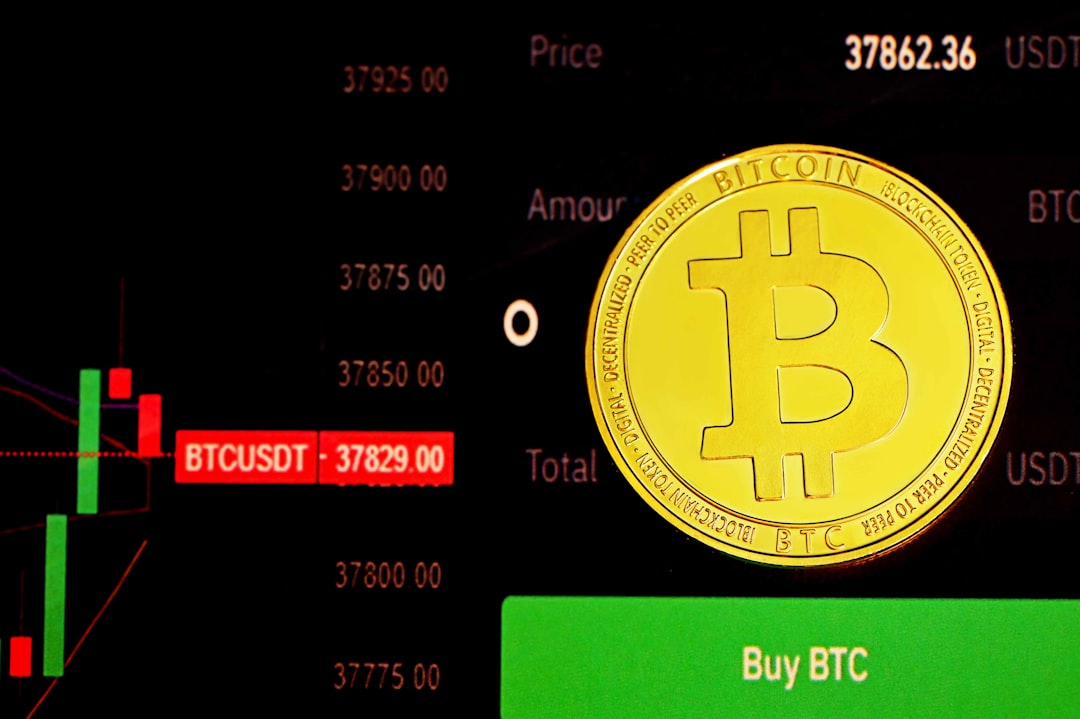
Before we dive into the numbers, let’s make sure we’re on the same page. Directly buying Bitcoin means you purchase BTC through a cryptocurrency exchange (like Coinbase, Kraken, or Binance) and either leave it on the exchange or transfer it to a personal wallet — a hardware wallet like a Ledger, or a software wallet like MetaMask. You own the actual asset.
A Bitcoin ETF (Exchange-Traded Fund), on the other hand, is a financial product listed on a traditional stock exchange (like NYSE or NASDAQ) that tracks Bitcoin’s price. You buy shares of the fund through your regular brokerage account — think Fidelity, Schwab, or TD Ameritrade. You don’t own any actual Bitcoin; you own a share of a fund that does.
Breaking Down the Numbers: Costs, Returns & Accessibility
Let’s get into the specifics, because this is where the decision often gets made.
- Expense Ratios (ETF fees): Spot Bitcoin ETFs approved in the U.S. in January 2024 charge ongoing management fees. BlackRock’s iShares Bitcoin Trust (IBIT) charges 0.25% annually (waived to 0.12% for the first 12 months on initial assets). Fidelity’s Wise Origin Bitcoin Fund (FBTC) charges 0.25%. These fees compound over time — on a $50,000 position held for 10 years, that’s roughly $1,250–$2,500 in fees, depending on price growth.
- Direct investment trading fees: Most major crypto exchanges charge between 0.1% to 0.5% per trade. If you buy and hold, your total cost could be just that one-time fee. Hardware wallets cost a one-time $70–$150.
- Tax treatment: In the U.S., both are subject to capital gains tax. However, ETFs held in a Roth IRA or 401(k) can grow tax-free — something you simply cannot do with direct crypto holdings as of now.
- Trading hours: Direct Bitcoin trades 24/7, 365 days a year. ETFs trade only during stock market hours (9:30 AM – 4:00 PM ET on weekdays). During volatile weekend swings, ETF holders can’t react in real time.
- Minimum investment: Direct Bitcoin can be purchased in fractions (as little as $1 worth). ETF share prices vary but are similarly accessible through fractional shares on most brokerages.
Real-World Examples: How This Plays Out Globally
The U.S. finally approved spot Bitcoin ETFs in January 2024, a landmark moment. Within the first week, products from BlackRock, Fidelity, and Invesco collectively pulled in over $4.6 billion in net inflows — signaling massive demand from institutional and retail investors who previously sat on the sidelines due to custody complexity.
In Canada, spot Bitcoin ETFs have been available since February 2021 (Purpose Bitcoin ETF, ticker BTCC). Canadian investors who used these products inside their Tax-Free Savings Accounts (TFSAs) enjoyed Bitcoin’s bull run in 2021 completely sheltered from capital gains tax — a concrete, real-money advantage that direct holders couldn’t replicate.
In South Korea and many parts of Asia, regulatory environments still restrict or complicate direct crypto ownership for institutional investors, making ETF-equivalent products (or futures-based ETFs) the only viable route for funds and pension managers looking for Bitcoin exposure.
Contrast this with the El Salvador case — a country that adopted Bitcoin as legal tender in 2021. Citizens there who held Bitcoin directly through the government’s Chivo wallet or personal wallets experienced the full volatility without the institutional safety net, which was both empowering and, for many, financially stressful.
The Custody Question: “Not Your Keys, Not Your Coins”
This is the philosophical heart of the debate. When you hold Bitcoin directly in a self-custody wallet, you are the bank. No third party can freeze your funds, and no corporate bankruptcy affects your holdings. This became painfully relevant when FTX collapsed in November 2022, wiping out billions in customer funds that were held on the exchange — not in self-custody. Customers who held their own keys were unaffected.
ETFs, by contrast, carry counterparty risk — you’re trusting the fund issuer (though BlackRock’s custodian is Coinbase Custody, which is regulated and insured). But they’re also covered by SIPC protection for brokerage accounts up to $500,000, which direct crypto holdings are not.
Who Should Actually Choose What?
Here’s where I want to be realistic with you, rather than give a generic “it depends” answer:
- Choose a Bitcoin ETF if: You want Bitcoin exposure inside a tax-advantaged account (IRA, 401k), you’re an institutional or corporate investor with compliance requirements, you’re new to crypto and overwhelmed by wallet management, or you already have a brokerage setup and want simplicity.
- Choose direct Bitcoin if: You believe in financial sovereignty and self-custody, you plan to hold long-term and want to avoid annual fees, you want to actually use Bitcoin (spend, transfer internationally, participate in DeFi), or you’re comfortable managing private keys securely.
- Consider both if: You want a hybrid — direct holdings for long-term conviction positions, and ETF shares for tax-sheltered accounts. This is actually what many sophisticated investors are moving toward.
Realistic Alternatives Worth Considering
If neither option feels like a perfect fit right now, here are some middle-ground approaches worth exploring:
- Bitcoin-adjacent stocks: Companies like MicroStrategy (MSTR) or Coinbase (COIN) give indirect Bitcoin exposure through traditional equity markets, with no custody headaches.
- Crypto index funds: Products like Bitwise 10 Crypto Index Fund spread risk across multiple assets — useful if you want crypto exposure but aren’t fully convinced on Bitcoin alone.
- Dollar-cost averaging (DCA) on exchanges with auto-withdraw: Set up recurring buys on a reputable exchange with automatic transfer to a hardware wallet. This combines the convenience of an exchange with the security of self-custody over time.
The bottom line? This isn’t a competition with a universal winner. It’s a spectrum, and your ideal position on that spectrum depends on your tax situation, technical comfort level, investment timeline, and — honestly — how much you trust yourself to manage a seed phrase responsibly. Think about what Marcus and his friend each needed, and ask yourself which one you’re more like.
Editor’s Comment : The Bitcoin ETF approval in 2024 was genuinely a watershed moment — it brought Bitcoin into the mainstream financial infrastructure in a way that’s hard to overstate. But don’t let the convenience narrative completely overshadow the original ethos of cryptocurrency: ownership, sovereignty, and transparency. The smartest move might not be picking a side, but understanding both well enough to use each where it fits best in your financial life.
태그: [‘Bitcoin ETF’, ‘Bitcoin direct investment’, ‘spot Bitcoin ETF’, ‘crypto investing for beginners’, ‘IBIT BlackRock Bitcoin’, ‘self-custody vs ETF’, ‘cryptocurrency tax strategy’]