Picture this: It’s January 11, 2024. The SEC just greenlit the first spot Bitcoin ETFs in U.S. history. Trading desks light up, financial Twitter explodes, and suddenly your uncle who swore off crypto after 2022 is texting you asking which ticker to buy. Sound familiar? That moment marked a genuine inflection point — not just for Bitcoin, but for how everyday investors interact with digital assets. So let’s slow down, look at the real numbers, and think through what 2024’s Bitcoin ETF landscape actually means for your portfolio.

📊 The Launch Data: Bigger Than Almost Anyone Predicted
The spot Bitcoin ETF debut wasn’t just a symbolic win — it was a capital event. Within the first week of trading, products like BlackRock’s iShares Bitcoin Trust (IBIT) and Fidelity’s Wise Origin Bitcoin Fund (FBTC) collectively pulled in over $4.6 billion in net inflows. To put that in perspective, it took gold ETFs years to accumulate what Bitcoin ETFs gathered in days.
By mid-2024, IBIT alone crossed $20 billion in assets under management — a pace that outran almost every comparable ETF launch in Wall Street history. That’s not hype; that’s institutional gravity pulling capital into a new asset class at scale.
📈 Return Performance: The Honest Picture
Let’s talk returns — and let’s be real about the volatility that comes with them.
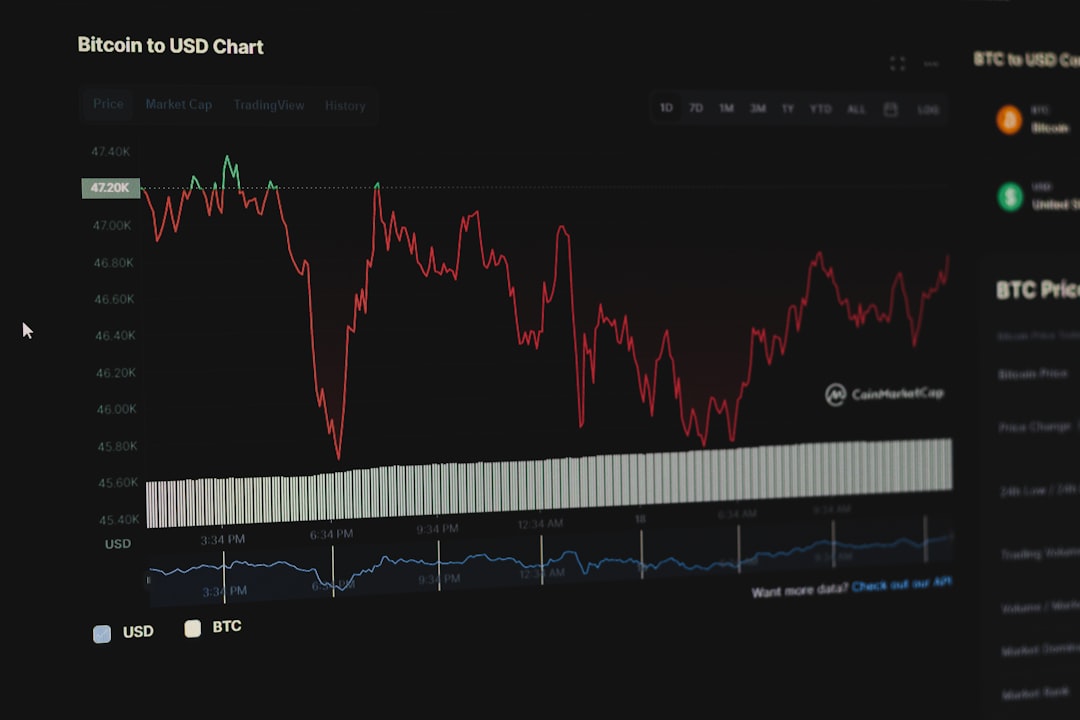
- Q1 2024: Bitcoin surged from roughly $42,000 at ETF launch to an all-time high near $73,700 in March, delivering approximately +70% gains in under 90 days. ETF holders who entered at launch captured most of that run.
- Q2 2024: A sharp correction followed — Bitcoin pulled back to the $57,000–$62,000 range, reminding investors that volatility is the price of admission. ETFs didn’t cushion this; they tracked it faithfully.
- The halving effect (April 2024): Bitcoin’s fourth halving cut miner rewards from 6.25 to 3.125 BTC. Historically, halvings precede 12–18 month bull cycles. This structural backdrop supports a constructive medium-term return outlook.
- Fees matter more than you think: Management fees range from 0.19% (Bitwise) to 0.25% (BlackRock, Fidelity). Over a long holding period, this spread compounds — something worth factoring into your selection.
🌍 Global Context: What Korea and Europe Are Watching
South Korean investors, who rank among the world’s most active retail crypto traders (the “kimchi premium” era is well-documented), are watching the U.S. ETF developments closely — but domestic regulators haven’t yet approved spot Bitcoin ETFs locally. Korean investors currently access Bitcoin ETF exposure through U.S.-listed products via overseas brokerage accounts or through futures-linked ETFs available on certain platforms.
In Europe, products like the 21Shares Bitcoin ETP and ETC Group’s BTCE have been trading on exchanges like Xetra for years. Interestingly, European ETP inflows accelerated after the U.S. approval — not because European products are better, but because mainstream validation lifted the entire category’s credibility.
Hong Kong followed the U.S. by launching its own spot Bitcoin ETFs in April 2024, with products from Harvest Fund Management and ChinaAMC. Early volumes were modest compared to the U.S., but it signals Asia-Pacific regulatory momentum that could eventually influence Korea’s stance.
🔍 The Core Risk Factors You Shouldn’t Gloss Over
Here’s where I want us to think together rather than just cheerleading. Bitcoin ETFs solve the custody problem elegantly — no wallets, no seed phrases, no exchange hacks. But they don’t eliminate the underlying risks:
- Regulatory reversal risk: What the SEC approves, it can also revisit. Political winds matter.
- Correlation creep: During macro risk-off events (think 2022), Bitcoin increasingly correlates with equities. Diversification benefits shrink exactly when you need them most.
- Tracking error in stress periods: ETF premiums/discounts to NAV can widen during extreme volatility — not dramatically, but worth monitoring.
- Tax treatment: In the U.S., Bitcoin ETF gains are taxed as capital gains, not as collectibles (unlike some crypto-adjacent instruments). Know your jurisdiction’s rules.
🎯 Realistic Return Scenarios for 2024–2025
Most institutional models (JPMorgan, Standard Chartered, Galaxy Digital) place Bitcoin’s 2024 cycle peak somewhere between $80,000 and $150,000, with the halving + ETF demand acting as twin catalysts. That implies potential ETF returns of 20% to 100%+ from mid-2024 levels — but with the very real possibility of 30–40% drawdowns along the way. This is not a “set and forget” asset class. It rewards patience and punishes panic.
💡 Realistic Alternatives Tailored to Your Situation
Not every reader should rush into a Bitcoin ETF. Let’s think through a few profiles:
- If you’re crypto-curious but risk-averse: Consider a satellite allocation — 2–5% of your portfolio in a Bitcoin ETF, complementing a core of bonds and equities. You participate in upside without betting the farm.
- If you already hold spot Bitcoin: An ETF may offer cleaner tax-loss harvesting opportunities or simplify estate planning, even if the underlying exposure is similar.
- If you want crypto exposure with less volatility: Look at crypto equity ETFs (like BITQ or BLOK), which hold companies like Coinbase and MicroStrategy. More volatility smoothing, though you sacrifice direct BTC upside.
- If you’re outside the U.S.: Check whether your brokerage offers access to U.S.-listed ETFs. If not, European ETPs or futures-based products may be your bridge while local regulations catch up.
The Bitcoin ETF story in 2024 is genuinely historic. But “historic” and “right for you right now” are two very different things. The smartest move is to understand the mechanics, respect the volatility, and size your position to survive the dips — because there will be dips.
Editor’s Comment : What excites me most about Bitcoin ETFs isn’t the return potential — it’s the normalization. When Fidelity and BlackRock put their name on a Bitcoin product, it changes the conversation in boardrooms and retirement planning offices worldwide. That structural shift is probably more durable than any single price cycle. Just don’t let the excitement override the basics: position size wisely, understand what you own, and never invest money you’d panic-sell during a 40% correction at 2am. The ETF wrapper is elegant. The asset inside it is still Bitcoin.
태그: [‘Bitcoin ETF 2024’, ‘IBIT Bitcoin ETF’, ‘Bitcoin return forecast’, ‘crypto ETF investment’, ‘Bitcoin halving 2024’, ‘spot Bitcoin ETF SEC’, ‘digital asset portfolio strategy’]