A colleague of mine — let’s call him Dave — reached out last month after watching crude oil prices swing wildly during the Middle East supply disruptions earlier this year. He’d been sitting on cash in a money market account, frustrated watching inflation quietly erode his purchasing power. “I keep hearing about commodity ETFs,” he messaged me, “but every time I try to research them, I get buried in jargon. Are they actually worth it?” That question stuck with me, because honestly, it’s one I’ve wrestled with for years managing my own multi-asset portfolio. So let’s dig into this together — no sugarcoating, no hype.
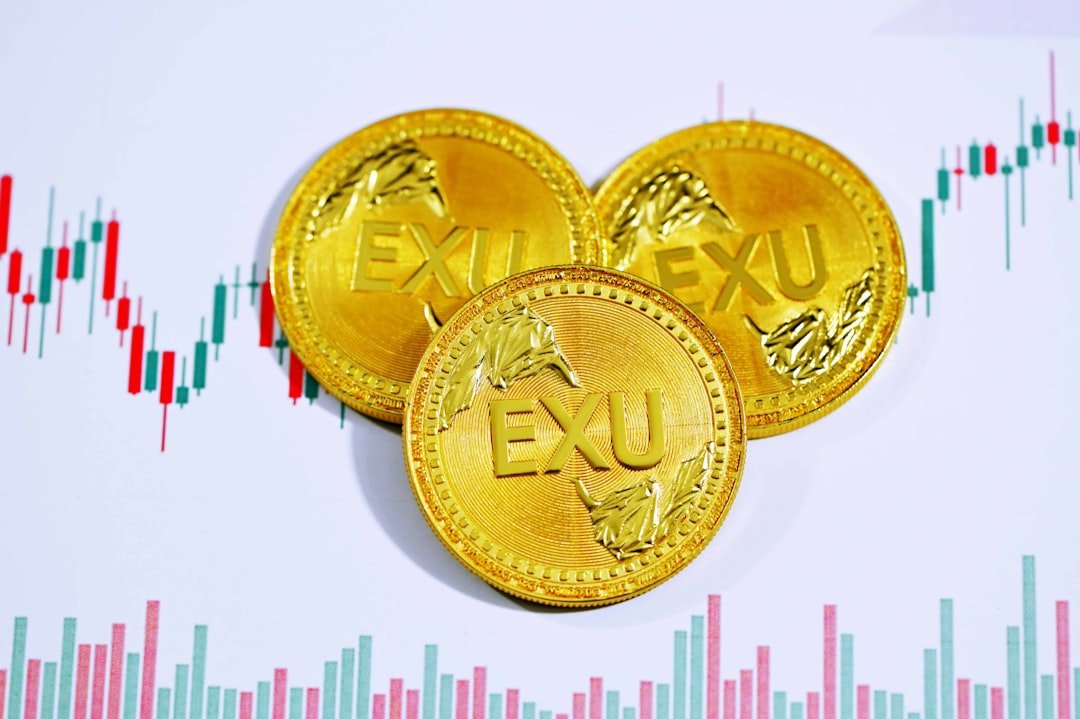
What Exactly Is a Commodity ETF? Let’s Get the Basics Right
A commodity ETF (Exchange-Traded Fund) is essentially a basket that tracks the price of one or more raw materials — think crude oil, gold, silver, copper, wheat, natural gas, soybeans, and so on. Instead of physically buying a barrel of oil or storing gold bars in your garage (please don’t), you buy shares of a fund that does the heavy lifting of tracking those prices.
There are three main structures you’ll encounter in 2026:
- Physical-backed ETFs: The fund actually holds the commodity. Gold ETFs like SPDR Gold Shares (GLD) and iShares Gold Trust (IAU) are classic examples. What you see is (mostly) what you get.
- Futures-based ETFs: These hold futures contracts, not physical assets. Examples include the United States Oil Fund (USO) and ProShares Bloomberg Commodity ETF (PDBC). This is where things get tricky — more on that shortly.
- Equity-based commodity ETFs: These invest in companies that produce or process commodities — miners, energy firms, agribusinesses. The VanEck Gold Miners ETF (GDX) falls here.
The Genuine Advantages — Why Smart Money Uses Commodity ETFs
Let’s be honest about what commodity ETFs do well, because they genuinely solve real portfolio problems.
- Inflation hedging: In 2026, with the Fed still navigating a complicated macro environment post-pandemic structural shifts, commodities remain one of the few asset classes with a historically positive correlation to CPI spikes. During the 2021–2023 inflationary cycle, the Bloomberg Commodity Index returned over 25% in 2022 alone, while traditional bonds bled.
- Portfolio diversification: Commodities often move independently of stocks and bonds. Gold’s correlation to the S&P 500 over rolling 10-year periods sits around -0.05 to +0.10 — basically negligible, which is exactly what you want from a diversifier.
- Liquidity and accessibility: You can buy GLD with one click and sell it in seconds during market hours. Try doing that with a warehouse of copper cathodes.
- Low entry barrier: Many commodity ETFs trade under $30/share, making them accessible to retail investors building diversified positions.
- Macro exposure in geopolitically sensitive climates: With ongoing energy transition tensions and supply chain reshoring in 2026, having exposure to industrial metals like lithium, cobalt, and copper through ETFs like the Global X Lithium & Battery Tech ETF (LIT) has become increasingly strategic.
The Real Risks and Drawbacks — Don’t Skip This Section
Here’s where my data-driven, risk-management brain kicks in hard. Commodity ETFs carry some genuinely unique pitfalls that catch retail investors off guard.
- Contango drag (the silent killer): Futures-based ETFs suffer from “roll yield” losses when the futures curve is in contango — meaning future delivery prices are higher than spot prices. USO lost roughly 72% of its value between 2009 and 2019 despite oil prices being roughly flat over the same period. Let that sink in.
- Volatility: Commodities are notoriously volatile. Natural gas ETFs like UNG have seen 40–60% drawdowns within single calendar years. This is not a set-it-and-forget-it asset class.
- No income generation: Unlike dividend-paying stocks or coupon-bearing bonds, most commodity ETFs pay zero yield. You’re purely playing price appreciation.
- Tax complexity: In the U.S., gains from certain commodity ETFs (especially those structured as partnerships or holding physical metals) are taxed differently — sometimes at blended rates. Always consult a tax professional.
- Management fees: Expense ratios vary widely. iShares Silver Trust (SLV) charges 0.50% annually. Some leveraged commodity ETFs charge 1%+ — fees that compound negatively over time in flat markets.
- Tracking error: Equity-based commodity ETFs can diverge significantly from underlying commodity prices due to company-specific risk. GDX doesn’t always move perfectly with gold spot price.
What Do the Real Returns Look Like? Let’s Talk Numbers
Based on data through Q1 2026, here’s a realistic performance snapshot of major commodity ETF categories:
- Gold ETFs (GLD, IAU): Gold has surged past $3,100/oz in early 2026 driven by central bank buying and de-dollarization trends. GLD has posted approximately +18% over the trailing 12 months — one of its strongest runs in recent memory.
- Oil ETFs (USO, DBO): Energy markets remain choppy. USO has returned approximately +6–8% over 12 months, but this masks significant intra-year volatility of ±30%. DBO, which uses a more sophisticated roll strategy, has fared somewhat better.
- Broad commodity ETFs (PDBC, DJP): These diversified vehicles have returned roughly 9–12% annually over the past 3 years, but with standard deviations exceeding 15%. Sharpe ratios in the 0.5–0.7 range — acceptable, not exceptional.
- Industrial metals / green transition ETFs (LIT, COPX): The energy transition theme continues to play out. Copper miners ETF (COPX) returned approximately +22% in 2025 as EV infrastructure buildout accelerated globally.
- Agricultural ETFs (DBA): Climate volatility has kept agricultural commodity prices elevated. DBA returned roughly +11% over 12 months through early 2026.
Case Studies: How Real Investors Are Using These in 2026
The Norwegian Government Pension Fund (NBIM), one of the world’s largest sovereign wealth funds, maintains commodity exposure primarily through equity-based positions in energy and materials companies rather than futures ETFs — precisely because of the roll cost problem. This is a telling signal about institutional preference.
Meanwhile, research from BlackRock’s 2026 Global Investment Outlook suggests a 5–10% commodity allocation in a balanced portfolio historically improves risk-adjusted returns when inflation expectations exceed 3%. With current 5-year breakeven inflation rates hovering around 2.8–3.2% as of April 2026, that threshold is right on the edge — making the case for modest commodity exposure genuinely compelling.
Domestically, platforms like Fidelity, Schwab, and Vanguard have all expanded their commodity ETF screening tools in 2026, allowing investors to filter by roll strategy, expense ratio, and underlying index methodology — making due diligence more accessible than ever. Morningstar’s ETF screener (morningstar.com) remains an excellent free resource for comparing expense ratios and 3-year risk-adjusted performance metrics.
Realistic Alternatives If Commodity ETFs Feel Too Complex
Not everyone needs direct commodity exposure, and that’s perfectly okay. If the contango risk and tax complexity feel overwhelming, consider these alternatives:
- TIPS (Treasury Inflation-Protected Securities): For inflation hedging without commodity volatility.
- REITs: Real estate investment trusts provide inflation sensitivity through property values and rental income — with the bonus of dividends.
- Commodity-linked equity funds: Investing in well-managed energy, mining, or agricultural companies via ETFs like XLE (Energy Select Sector SPDR) gives commodity exposure with corporate governance and dividend potential layered in.
- I-Bonds (Series I Savings Bonds): If you’re in the U.S. and your horizon is at least 12 months, I-Bonds offer direct CPI-linked returns with zero credit risk, though with purchase caps.
Editor’s Comment : Commodity ETFs are powerful tools — not magic wands. The gold and industrial metals space, in particular, makes genuine sense as a 5–10% portfolio allocation in 2026’s inflationary and geopolitically complex environment. But if you’re eyeing oil or natural gas futures ETFs expecting easy gains, please model the contango drag before you commit capital. The most successful investors I’ve seen use commodities surgically — as targeted hedges and diversifiers — not as core positions. Do the homework, keep your position sizes disciplined, and check in on roll costs quarterly. The data is there for you; use it.
📚 관련된 다른 글도 읽어 보세요
- Crude Oil ETF Showdown 2026: Which Energy Fund Actually Belongs in Your Portfolio?
- 2026년 노인 의료비 폭탄 피하는 법: 정부가 바꾼 핵심 정책 7가지와 실제 절감 금액
- 월가도 모르는 2026 WTI 유가 전망과 반도체 수익성의 숨겨진 연결고리: 지금 당장 포지션 바꿔야 한다
태그: commodity ETF, raw materials ETF returns, gold ETF 2026, futures ETF contango, commodity investing pros cons, inflation hedge ETF, portfolio diversification 2026