A trading buddy of mine — let’s call him Derek — called me in a mild panic back in February. He’d just watched crude oil futures spike nearly 8% in a single week following renewed Middle East supply disruptions, and he’d missed the entire move because he couldn’t decide which crude oil ETF to buy. USO? UCO? BNO? OIL? He froze at the options screen. By the time he committed, the move was already over. Classic analysis paralysis.
That story hit close to home because I’ve been there. Crude oil ETFs look deceptively simple — they’re “just oil,” right? But under the hood, these instruments are wildly different from each other in structure, cost, roll methodology, and leverage. Getting it wrong doesn’t just mean underperformance; it can mean watching a commodity go up while your ETF quietly bleeds out due to contango decay. So let’s break this down together, instrument by instrument, and figure out what actually makes sense in 2026’s energy market.
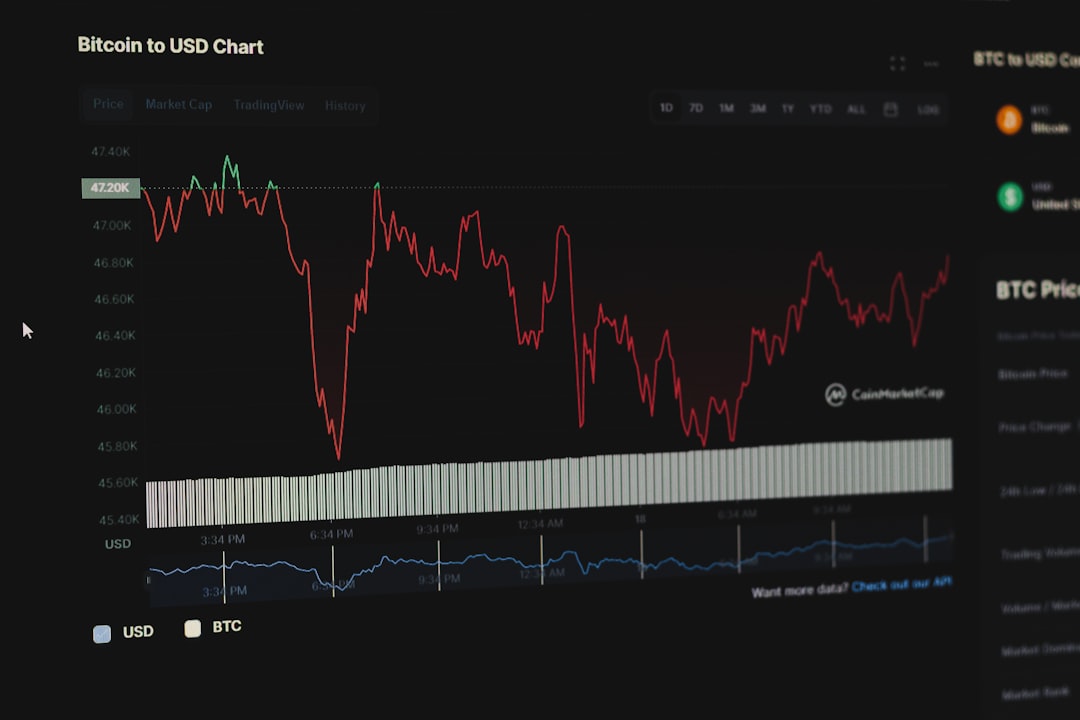
Why Crude Oil ETFs Are Not Created Equal — The Structural Problem
Before we compare tickers, you need to understand one uncomfortable truth: most crude oil ETFs do NOT hold physical barrels of oil. They hold futures contracts. And futures markets have this nasty behavior called contango — where the next month’s futures price is higher than the current month’s. When an ETF “rolls” its contracts (sells expiring ones, buys new ones), it’s often selling low and buying high. That roll cost is a silent tax on your returns.
In 2026, WTI crude has been trading in a persistent mild contango structure for most of Q1, averaging around a 0.4–0.8% monthly roll cost. That doesn’t sound like much, but annualized and compounded, you’re talking about a 5–10% drag on performance just from the mechanics of the fund — before any market movement happens. This is the number Derek never looked at.
The Main Players: A Head-to-Head Breakdown
Here’s a breakdown of the most widely traded crude oil ETFs available to U.S. and international investors as of early 2026:
- USO (United States Oil Fund) — Tracks WTI crude via near-month futures. Expense ratio: 0.60%. Still the most liquid and most traded oil ETF on the market. After its controversial restructure in 2020 (when it spread exposure across multiple contract months to reduce contango damage), it’s become somewhat more stable but also less pure as a spot-price tracker. Best for: short-term traders who prioritize liquidity.
- BNO (United States Brent Oil Fund) — Tracks Brent crude instead of WTI. This matters because Brent is the global benchmark — what Saudi Aramco, European refiners, and Asian importers actually price against. Expense ratio: 0.90%. Less liquid than USO but more globally relevant. Best for: investors hedging global geopolitical risk.
- UCO (ProShares Ultra Bloomberg Crude Oil) — This is 2x leveraged WTI. Expense ratio: 0.95%. Designed for short-term tactical trading only. Volatility decay (also called beta slippage) will destroy returns in choppy sideways markets. Best for: experienced traders with a defined short-term catalyst thesis and strict stop-losses.
- SCO (ProShares UltraShort Bloomberg Crude Oil) — 2x inverse WTI. Same caveats as UCO but in the opposite direction. Best for: hedging an existing long energy position or playing a near-term bearish thesis.
- DBO (Invesco DB Oil Fund) — This one is underrated. Unlike USO, DBO uses an “optimum yield” roll methodology, meaning it algorithmically selects which futures contract to hold (across 12 months) to minimize contango drag or maximize backwardation gains. Expense ratio: 0.77%. Historically outperforms USO in contango environments. Best for: investors wanting longer-term crude oil exposure with smarter roll management.
- OILK (ProShares K-1 Free Crude Oil ETF) — Tracks WTI futures without issuing a K-1 tax form, which matters hugely for U.S. retail investors who hate tax complexity. Expense ratio: 0.65%. Best for: buy-and-hold investors who don’t want the tax headache of commodity partnerships.
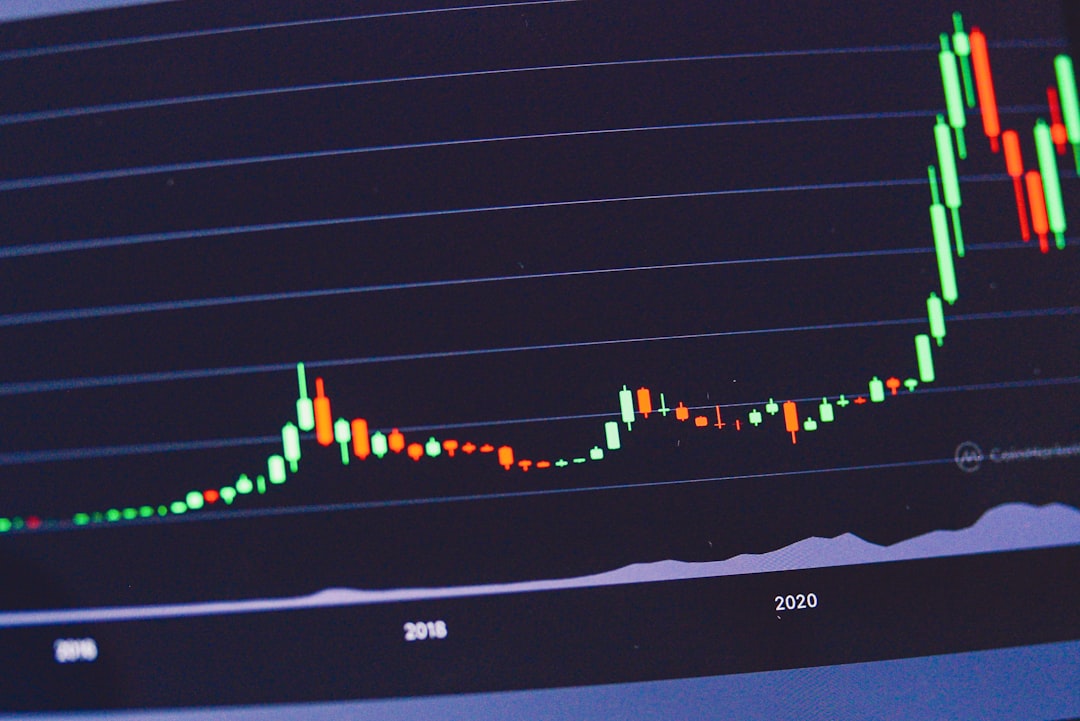
Performance Data: What the Numbers Are Saying in 2026
For context, WTI crude oil spot price started 2026 near $76/barrel and has oscillated between $72–$84/barrel through mid-April, driven by OPEC+ production discipline, strong U.S. shale output, and sporadic demand signals from China’s still-recovering manufacturing sector.
Over the trailing 12 months, here’s approximately how these ETFs have performed relative to WTI spot price change (which itself was roughly +6.2% in that window):
- USO: ~+4.1% (roll cost drag visible)
- BNO: ~+5.7% (Brent outperformed WTI slightly in this period)
- DBO: ~+5.3% (optimized roll helped narrow the gap)
- OILK: ~+3.9% (slightly behind USO, higher tax efficiency tradeoff)
- UCO (2x): ~+6.8% (not 2x the spot gain due to volatility decay — this is the leverage trap in action)
Notice that UCO, despite being 2x levered, only delivered slightly more than BNO in an uptrending period. In choppy or sideways markets, it would have been far worse. This is the data point most retail investors never check before buying a leveraged fund.
Korean Market Context: 원유 ETF Options for KRX Investors
For Korean investors specifically (since this topic originates in Korean-language searches), the KRX-listed options are worth mentioning. KODEX WTI원유선물(H) and TIGER 원유선물Enhanced(H) are the two main domestic options. KODEX tracks near-month WTI futures with currency hedging, while TIGER uses an enhanced roll strategy similar in philosophy to DBO. As of Q1 2026, TIGER has marginally outperformed KODEX over a 1-year basis due to its roll methodology — but both suffer from the same structural contango drag as their U.S. counterparts. For Korean retail investors, the choice often comes down to: do you trust the domestic product’s AUM and liquidity, or do you access the U.S.-listed alternatives through your overseas trading account?
Risk Management Framework: How to Actually Use These Instruments
Here’s what a decade of watching people trade commodity ETFs has taught me: position sizing and holding period are the two variables that determine whether these instruments work for you or against you.
- Short-term tactical play (days to weeks): USO or BNO are fine. Liquidity is your friend. Consider UCO only if you have a very high-conviction, catalyst-driven trade with a clear stop-loss.
- Medium-term hold (1–3 months): DBO or BNO are preferable. The roll optimization in DBO starts to matter meaningfully at this timeframe.
- Long-term structural allocation (3+ months): Honestly reconsider whether a pure futures-based crude ETF is the right vehicle. Energy equity ETFs like XLE or XOP (which hold actual oil company stocks) may give you better long-term energy exposure without the roll drain. They come with company-specific risk, but the return profile is much cleaner over time.
- Tax-sensitive investors in the U.S.: OILK eliminates the K-1 complexity. Worth the slight performance tradeoff for many people.
- Hedging existing energy exposure: SCO for a short-term inverse hedge; keep sizing small and duration short.
Where to Dig Deeper: Trusted Research Sources
For anyone wanting to verify fund mechanics and live roll cost data, these are the resources I actually use:
- ETF.com — Best for side-by-side expense ratio, AUM, and liquidity comparisons across all U.S.-listed oil ETFs.
- Morningstar Direct — For longer-term performance attribution, especially useful for seeing how roll costs compound over multi-year periods.
- CME Group’s futures data portal — Free access to WTI futures curve data so you can calculate current contango/backwardation yourself.
- KRX (Korea Exchange) ETF portal — For KODEX and TIGER product sheets, including hedging methodology disclosures.
- ProShares and Invesco investor pages — Always read the fund prospectus for leveraged products. The daily reset mechanics are spelled out clearly, and understanding them will save you from the UCO/SCO trap.
The Honest Conclusion: There’s No Perfect Crude Oil ETF
Every single crude oil ETF on this list involves some form of compromise — whether it’s roll cost, leverage risk, tax complexity, currency exposure, or basis risk between WTI and Brent. The “best” one genuinely depends on your time horizon, tax situation, risk tolerance, and whether you’re trading a short-term thesis or building a structural allocation.
If I had to pick one for a typical retail investor with a 1–3 month view and no interest in tax complexity: DBO for a U.S. investor, or TIGER 원유선물Enhanced(H) for a Korean investor. Both use smarter roll approaches and don’t require K-1 management or heavy daily monitoring.
But if you’re Derek — someone who gets excited by a sharp crude spike and wants to catch the move quickly — USO’s liquidity and tight spreads make it the better tactical tool. Just set your stop-loss before you enter, and don’t hold it for months wondering why it’s not keeping up with oil prices. The roll cost will tell you why.
Editor’s Comment : The single biggest mistake I see in crude oil ETF investing is treating these funds like stock ETFs — buying and holding for years while commodity fundamentals justify optimism. They don’t work that way. The futures roll mechanics mean time is literally working against you in most market conditions. If your thesis is “oil will be higher in two years,” the better vehicle is probably an energy company ETF like XLE or even a direct position in an integrated major. But if your thesis is “oil has a specific catalyst in the next 60 days,” crude oil ETFs are the right tool — just pick the one that matches your risk style, understand the structural cost, and respect the exit. That’s the framework Derek didn’t have, and it’s what makes all the difference.
📚 관련된 다른 글도 읽어 보세요
- 정규식 오류, 이제 실시간으로 잡아내세요! — 무료 정규식 테스터 완벽 가이드
- Senior Health Management in 2026: What’s Actually Working (And What Isn’t)
- Oil Price Surge & Semiconductor Portfolios: How to Protect and Profit in 2026’s Volatile Market
태그: crude oil ETF comparison 2026, USO vs BNO vs DBO, WTI Brent oil ETF, 원유 ETF 종목 비교, energy ETF investing, leveraged oil ETF risk, commodity futures contango