My neighbor Mrs. Kim — a sharp, energetic 68-year-old who grows the best tomatoes on the block — called me in a mild panic last month. She’d just received a medical bill for a routine checkup and was convinced she’d been overcharged. “Didn’t they tell me something about free screenings?” she asked. Turns out, she had absolutely no idea about the full spectrum of free and subsidized healthcare benefits available to her as a senior citizen in Korea (and, honestly, many of these parallels exist in the U.S., Japan, and across the OECD world). She was leaving thousands of won — and equivalent dollars internationally — on the table every single year.
That conversation sent me down a deep research rabbit hole. So let’s untangle this together, because the landscape of senior medical benefits in 2026 is genuinely rich — if you know where to look.
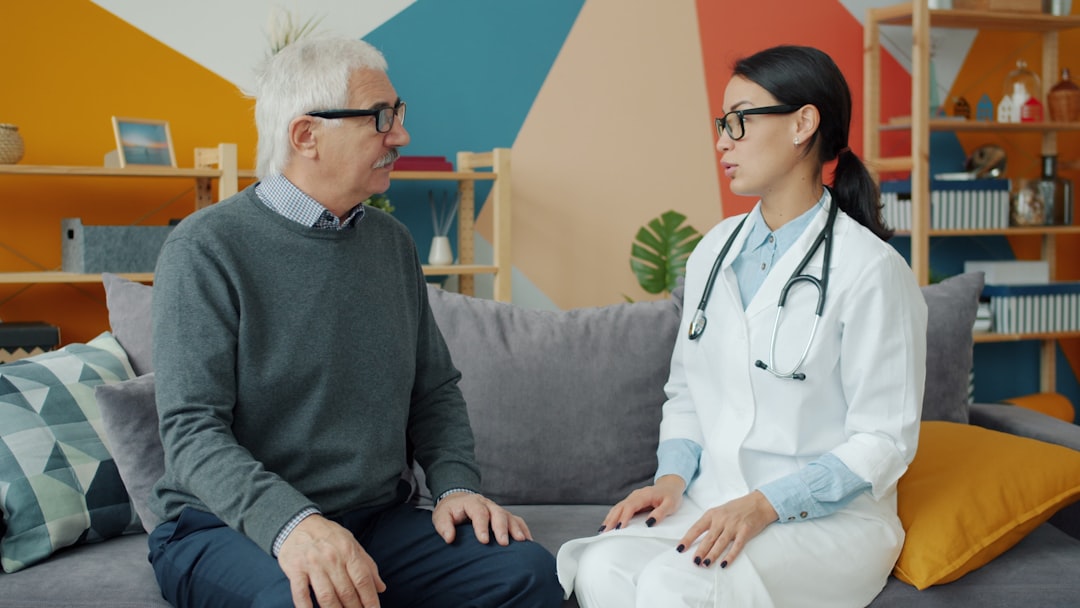
Why Senior Medical Benefits Exist — And How Big the System Actually Is
In South Korea, the National Health Insurance Service (NHIS / 국민건강보험공단) allocates a significant portion of its annual budget specifically toward elderly care. As of 2026, citizens aged 65 and older represent approximately 19.2% of the total population — a figure that has jumped from 15.7% in 2020 — and healthcare expenditure for this demographic accounts for roughly 43% of total national health spending, according to NHIS annual reports.
That’s not a small number. It reflects a deliberate policy choice: keeping seniors healthy proactively is far cheaper than treating advanced disease reactively. Here’s what that investment looks like in practice.
Core Free Benefits Under the National Health Insurance (건강보험) for Age 65+
- Comprehensive Health Screening (일반건강검진): Free biennial general health checkup including blood pressure, blood glucose, cholesterol, kidney function, and anemia panels. Seniors in certain categories qualify annually.
- Cancer Screening Programs (국가암검진): Gastric cancer (every 2 years, age 40+), colorectal cancer (annual fecal test, age 50+), liver cancer (biannual ultrasound + AFP test for high-risk groups), breast cancer (biannual mammography, women 40+), and cervical cancer (biannual Pap smear, women 20+). For low-income seniors, all screenings are fully covered at zero cost.
- Dental Benefits (치과 급여 확대): As of 2026, seniors 65+ receive significant subsidy coverage for dentures (틀니) — up to 30% co-pay only — and implants (임플란트) with a 30% co-pay cap (2 implants per lifetime under NHIS).
- Outpatient Medication Co-pay Reduction: Seniors with chronic conditions (hypertension, diabetes, hyperlipidemia) enrolled in the chronic disease management program pay reduced prescription co-pays, often as low as 1,000–2,000 KRW per visit.
- Long-Term Care Insurance (노인장기요양보험): Seniors who qualify (Grade 1–5 assessed by NHIS) receive home care, day care, or nursing facility benefits with government covering 80–85% of costs.
- Mental Health Support: Free depression screening and up to 8 free counseling sessions annually through community mental health centers (정신건강복지센터).
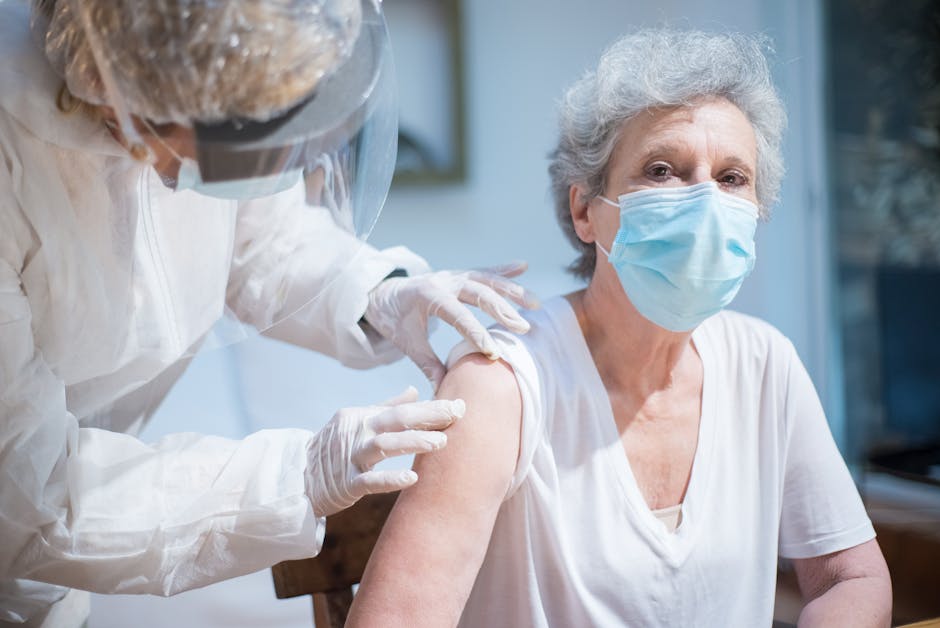
- Flu & Pneumonia Vaccination: Annual influenza vaccine and pneumococcal vaccine (once per lifetime) are completely free for all seniors 65+.
Additional Municipal & Local Government Benefits (지자체 복지)
Here’s where it gets interesting — and where most seniors miss out. On top of the national-level benefits, every local municipality (시·군·구) layers in additional perks. In Seoul, for instance, the Seoul Senior Health Center (어르신건강증진사업) offers:
- Free bone density (DEXA) scans at designated community health centers (보건소)
- Free dementia screening and follow-up support through Dementia Care Centers (치매안심센터) — these exist in every district as of 2026
- Subsidized oriental medicine (한방) treatments including acupuncture and moxibustion
- Free physical therapy sessions at senior welfare centers
- Meal delivery and nutrition programs for low-income elderly (기초생활수급자 우선 지원)
Gyeonggi Province runs its own Senior Citizen Medical Welfare Card (경기도 어르신 의료비 지원) which covers gaps left by national insurance. Each city and county varies, so always check your local 주민센터 (community center) website.
International Context: How Korea Compares to Japan and the U.S.
It’s helpful to zoom out. In Japan, citizens 75+ are placed under the Latter-Stage Elderly Medical Care System (後期高齢者医療制度), paying only 10% of medical costs (with some income-based exceptions now at 20%). Japan’s system is considered one of the most comprehensive globally and has been a reference model for Korea’s policy evolution.
In the United States, Medicare kicks in at age 65 and covers hospital insurance (Part A), medical insurance (Part B), and prescription drugs (Part D). Medicare covers approximately 80% of approved costs after deductibles, with Medicaid (for low-income seniors) potentially covering the remaining gap. The Kaiser Family Foundation’s 2026 data shows that nearly 66 million Americans were enrolled in Medicare as of early 2026.
Korea’s system, while not as uniformly generous as Japan’s 10% cap, has been closing the gap rapidly with targeted subsidies for low-income seniors, dental expansion, and dementia-specific infrastructure that actually rivals Japan’s in terms of local-level implementation.
How to Actually Access These Benefits — Step by Step
- Step 1: Visit the NHIS website (nhis.or.kr) or call 1577-1000. Log in with your Korean national ID to view your personalized benefit eligibility dashboard.
- Step 2: For cancer screenings, look for the annual notification letter (검진 대상자 안내문) mailed to your home, or check eligibility online. Book through the NHIS-designated facility list.
- Step 3: For long-term care assessment, contact your local NHIS branch to request a needs assessment visit. The process takes 30 days and results in a care grade (등급).
- Step 4: For dementia screening, walk into your local Dementia Care Center (치매안심센터) without an appointment. Free cognitive testing (MMSE, CDR) is available same-day in most districts.
- Step 5: For municipal benefits, visit your district’s 보건소 (public health center) in person and ask for the “어르신 복지 서비스 안내” pamphlet — staff will guide you through local-specific programs.
Common Mistakes Seniors Make (And How to Avoid Them)
Based on data from the Korea Institute for Health and Social Affairs (KIHASA) 2025 survey, about 34% of eligible seniors do not utilize their full entitlements — primarily due to lack of awareness or difficulty navigating the system. Here are the most common pitfalls:
- Missing the biennial checkup window (it resets even if you didn’t use it — you can’t bank unused screenings)
- Not registering with the chronic disease management program (만성질환관리 프로그램) — this unlocks reduced co-pays
- Assuming dental implants aren’t covered — many seniors pay full price unnecessarily
- Not applying for long-term care insurance early enough (the assessment takes time; don’t wait for a crisis)
- Missing municipal-level supplementary programs by only looking at national-level resources
Emerging Benefits in 2026: What’s New This Year
2026 has brought several meaningful expansions worth highlighting:
- Digital Health Monitoring Pilot: NHIS has expanded its wearable-linked health monitoring program for seniors with chronic conditions in 12 pilot cities — free devices, free data, and proactive nurse outreach when readings are abnormal.
- Expanded Hearing Aid Subsidy: As of January 2026, the subsidy for hearing aids for seniors 65+ has increased to cover up to 1.31 million KRW (previously 1.22 million KRW), with lower-income seniors eligible for near-full coverage.
- AI-Assisted Dementia Early Detection: Several major university hospitals now offer AI-driven brain scan analysis as part of the Dementia Care Center referral pathway — at no additional cost to the patient.
The trajectory is clear: the system is getting smarter and more proactive, not just reactive. That’s genuinely good news for seniors willing to engage with it.
If navigating all of this still feels overwhelming — especially for seniors without family support nearby — organizations like Korea Senior Welfare Center Association (한국노인복지관협회) and local social workers at 주민센터 offer free one-on-one benefit navigation assistance. Don’t hesitate to ask.
Editor’s Comment : The single biggest takeaway from all of this research? The benefits are genuinely substantial, but they reward the informed and the proactive. Mrs. Kim, after our conversation, booked her cancer screening, signed up for the chronic disease co-pay program, and visited her local Dementia Care Center for a baseline cognitive assessment — all within two weeks, all free. The system exists; it just doesn’t always come knocking on your door. Think of this guide as your map. The doors are already unlocked — you just need to walk through them.
📚 관련된 다른 글도 읽어 보세요
- 내 돈이 스스로 불어난다! 복리 계산기로 미래 자산을 미리 확인하세요
- 독거노인 방치하다 큰일 난다: 2026년 건강 관리 지원 서비스 완전 정복 (정부 지원금·IoT 기기·케어 앱 총정리)
- 2026 암호화폐 ETF 포트폴리오 전략: 변동성 시대에 살아남는 분산투자 가이드
태그: senior healthcare benefits Korea, free medical benefits 65 plus, NHIS elderly care 2026, 노인 무료 의료, Medicare comparison Korea Japan, long-term care insurance seniors, elderly dental benefits Korea