A colleague of mine — let’s call him Dave — came to me last spring absolutely buzzing. He’d just read a headline about gold hitting record highs and crude oil swinging wildly on geopolitical news, and he’d convinced himself that commodity ETFs were the golden ticket he’d been missing in his portfolio. He dumped a sizable chunk of his savings into a crude oil ETF without really understanding what he was buying. Three months later, he was scratching his head wondering why his ETF was down 18% even though oil prices hadn’t moved that dramatically. That conversation sparked a deep dive I’ve been doing ever since — and what I found about commodity ETFs is genuinely fascinating, sometimes alarming, and always worth understanding before you put a single dollar in.
What Exactly Is a Commodity ETF, and Why Are People Talking About It in 2026?
A commodity ETF (Exchange-Traded Fund) is a fund that tracks the price of raw materials — things like gold, silver, crude oil, natural gas, agricultural products (wheat, corn, soybeans), or industrial metals like copper and lithium. In 2026, these instruments have surged in popularity for a few key reasons:
- Inflation hedge narrative: With central banks globally still navigating the aftermath of aggressive rate cycles, many investors are using commodities as a buffer against purchasing power erosion.
- Energy transition demand: Copper, lithium, and cobalt ETFs have seen massive inflows as EV infrastructure and battery storage projects accelerate globally.
- Geopolitical volatility: Ongoing regional conflicts and trade tensions (especially around rare earths and agricultural exports) have made commodities a tactical allocation tool.
- Retail accessibility: Platforms like Fidelity, Schwab, and Korea’s Kiwoom and Mirae Asset Global Investments now make it trivially easy to buy commodity ETFs with a few taps.
As of Q1 2026, global commodity ETF assets under management (AUM) have crossed the $350 billion mark, up roughly 22% year-over-year according to data from Bloomberg Intelligence. That’s not a niche product anymore — it’s mainstream portfolio infrastructure.
The Real Advantages: What Commodity ETFs Actually Do Well
Let’s be honest and give credit where it’s due. There are legitimate reasons to hold commodity ETFs in a diversified portfolio.
- True diversification: Commodities historically show low or even negative correlation with equities, especially during equity bear markets. When the S&P 500 dropped in 2022, the Bloomberg Commodity Index actually gained over 16%.
- Inflation protection (real, not theoretical): Physical-backed gold ETFs like SPDR Gold Shares (GLD) or iShares Gold Trust (IAU) have demonstrated genuine purchasing power preservation over multi-decade periods.
- Liquidity and transparency: Unlike buying a barrel of oil or storing physical gold, ETFs give you real-time pricing, daily liquidity, and transparent holdings.
- Low barrier to entry: You can get exposure to, say, copper or natural gas without needing a futures brokerage account or understanding margin mechanics.
- Tactical flexibility: Need to hedge a concentrated tech position during an energy crisis? A quick allocation to an energy commodity ETF can offset sector-specific pain.
The Hidden Disadvantages Nobody Warns You About Upfront
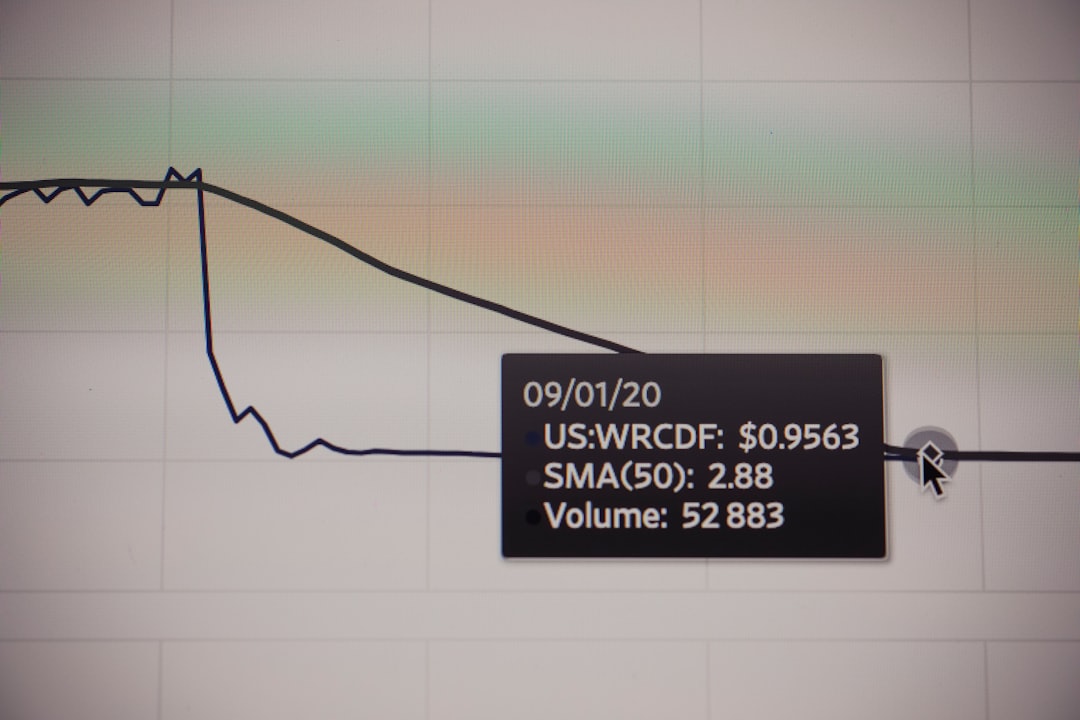
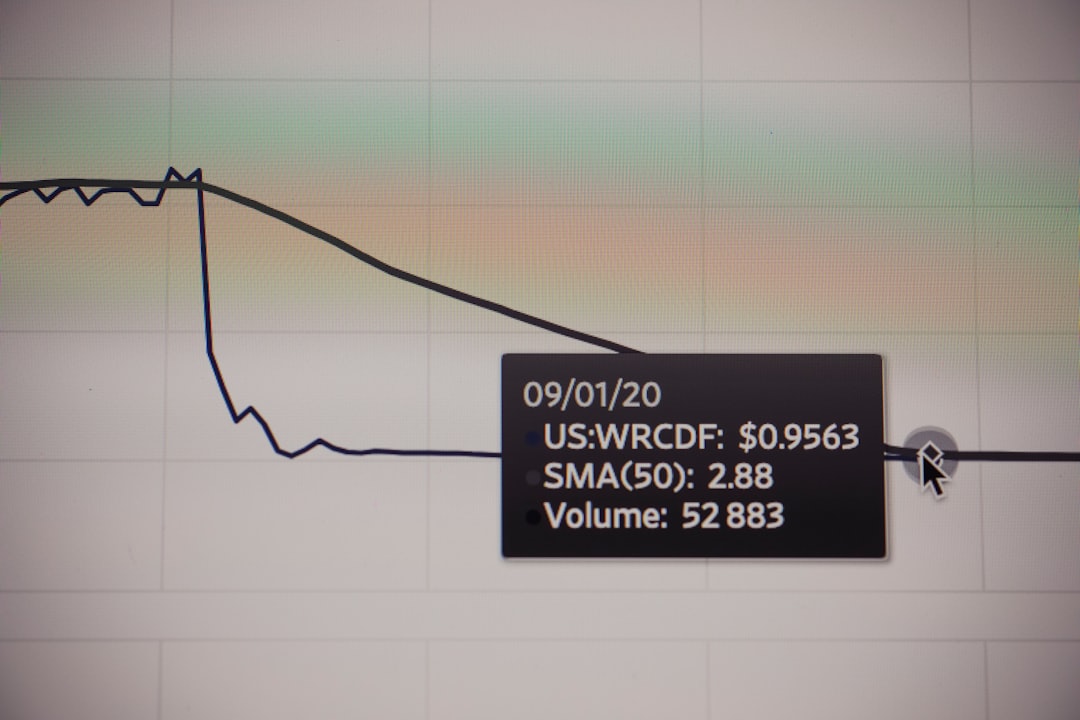
Here’s where Dave’s story gets instructive. His oil ETF wasn’t tracking oil prices — it was tracking oil futures, and that distinction is enormous.
Contango and Roll Costs: Most non-physical commodity ETFs hold futures contracts. When a futures contract expires, the fund must “roll” into the next month’s contract. If the next contract is priced higher than the current one (a condition called contango), the fund buys high and sells low — systematically. Over time, this roll cost can devastate returns. The United States Oil Fund (USO) famously lost a staggering amount of value relative to actual crude oil prices during 2020-2021 precisely because of this dynamic. As of 2026, this remains a structural issue for energy and agricultural commodity ETFs.
Tracking Error: Even physical-backed ETFs aren’t perfect mirrors. Management fees, custody costs, and bid-ask spreads create drift. For gold ETFs, this is minor (GLD has an expense ratio of 0.40%). For more exotic commodity ETFs tracking niche metals or crop indexes, tracking error can be 3-5% annually.
Concentration and Volatility: A single-commodity ETF (e.g., natural gas only) can be extraordinarily volatile. Natural gas prices swung over 80% in a 12-month period as recently as 2022-2023. If you’re not watching position sizing carefully, a single commodity bet can wreck an otherwise balanced portfolio.
Domestic and International Case Studies Worth Knowing
Let’s ground this in specifics. In South Korea, KODEX WTI Crude Oil Futures ETF (managed by Samsung Asset Management) experienced significant NAV erosion during 2020’s oil price collapse due to contango effects — a cautionary tale that’s now a standard example in Korean financial education circles. Many Korean retail investors who bought “저유가 투자” (low oil price investment) themes lost 40-60% not because oil stayed cheap, but because the roll mechanism kept destroying value.
Internationally, iShares S&P GSCI Commodity-Indexed Trust (GSG) is often cited as a broad commodity exposure vehicle, but its heavy energy weighting (around 60%+) means it behaves more like an oil ETF than a true diversified commodity fund. Compare that to Invesco DB Commodity Index Tracking Fund (DBC), which uses an optimized roll strategy specifically designed to minimize contango losses — a real-world engineering solution to a structural problem.
For physical metal exposure, Aberdeen Standard Physical Platinum Shares ETF (PPLT) and Sprott Physical Gold and Silver Trust (CEF) are popular among investors who want to bypass futures mechanics entirely. In 2026, Sprott has also launched a physical uranium ETF that’s attracted significant attention from clean energy investors.
Meanwhile, Mirae Asset’s Global Copper ETF in the Korean market has seen double-digit inflows in 2026 driven by the EV supply chain narrative — showing that thematic commodity investing is alive and well on both sides of the Pacific.
Practical Risk Management: What Actually Works
This is the part most blog posts skip over, so let me share what I’ve actually seen work for investors who do this well.
- Prefer physical-backed ETFs for stores of value: For gold and silver, stick with physical-backed funds (GLD, IAU, SLV, PHYS). Avoid futures-based alternatives unless you understand and accept the roll cost trade-off.
- Use diversified commodity indexes over single-commodity bets: Broad commodity ETFs like DJP (iPath Bloomberg Commodity Index) smooth out single-commodity volatility and rebalance automatically.
- Limit total commodity allocation: Most risk-aware portfolio frameworks cap commodity exposure at 5-15% of total portfolio. Going beyond 20% starts to introduce meaningful volatility drag that hurts compounding.
- Watch the futures curve structure before buying: Websites like CME Group and EIA.gov publish futures curves for free. If oil or natural gas futures are in steep contango, buying a futures-based ETF is a high-friction proposition.
- Set pre-defined exit rules: Commodity markets are mean-reverting over long cycles but extremely noisy in the short term. Define your thesis (e.g., “copper demand from EVs over 3-5 years”) and set stop-losses or periodic rebalancing triggers rather than watching the ticker daily.
- Tax efficiency matters: In the U.S., many commodity ETFs structured as partnerships issue K-1 forms — a nightmare at tax time. ETFs structured as 1940 Act funds (like GLD) issue simpler 1099s. Check the fund structure before buying in a taxable account.
When Commodity ETFs Make Sense — and When They Don’t
They make sense when: you want genuine inflation protection in a portfolio that’s otherwise heavily equity-weighted; you have a medium-to-long-term thesis on a commodity driven by structural demand (think lithium for EVs, copper for grid infrastructure); or you want tactical hedging against geopolitical commodity shocks.
They don’t make sense when: you’re trying to day-trade commodity prices using futures-based ETFs (the roll costs will eat you alive); you don’t understand whether the ETF is physical-backed or futures-based; or you’re allocating more than you can afford to see drop 30-40% in a bad quarter without panic-selling.
The alternatives worth considering if commodity ETFs feel too complex: commodity-producing equities (e.g., mining stocks, energy majors) give you commodity exposure with better liquidity and no futures mechanics, though they add company-specific risk. REITs focused on natural resources (timber REITs, farmland REITs) offer another indirect path. And for pure gold exposure without ETF complexity, allocated gold accounts at institutions like BullionVault or the Perth Mint are worth exploring.
Editor’s Comment : Commodity ETFs are a genuinely powerful tool — but like most powerful tools, they can hurt you badly if you pick them up without reading the manual. Dave eventually rebalanced into a physical gold ETF and a diversified commodity index fund, kept his allocation under 10%, and is now actually sleeping at night. The lesson isn’t “avoid commodity ETFs” — it’s “understand exactly what you’re buying before the market teaches you the hard way.” Start small, study the fund structure, check the futures curve, and treat commodities as a complement to your core portfolio, not a replacement for it.
📚 관련된 다른 글도 읽어 보세요
- 전기요금 폭탄 이제 그만! 우리 집 전기요금을 미리 계산해보세요
- 2026년 노인 건강 관리 방법 총정리 | 현실적으로 실천 가능한 시니어 건강 루틴
- 70대 이상 고혈압 관리 최신 가이드라인 2026 – 목표 혈압부터 약물 선택까지 핵심 정리
태그: commodity ETF, raw materials investment, ETF risk management, gold ETF, futures contango, portfolio diversification 2026, inflation hedge