A buddy of mine — let’s call him Marcus — called me last month in a mild panic. He’d been holding a commodity ETF position since early 2026, watched it spike in Q1, and then saw it wobble through March like a nervous investor at their first rodeo. “Is this thing broken or am I?” he asked. I laughed, but honestly, it’s a question worth unpacking carefully. Because commodity ETFs in 2026 are behaving in ways that are genuinely interesting — and if you’re not watching the right signals, you can easily misread the story they’re telling.
This post is about pulling apart the 2026 commodity ETF landscape with clear eyes, decent data, and a risk-first mindset. Whether you’re in gold, oil, agricultural commodities, or diversified baskets, let’s figure out what’s actually happening and where the real opportunities — and landmines — are sitting.
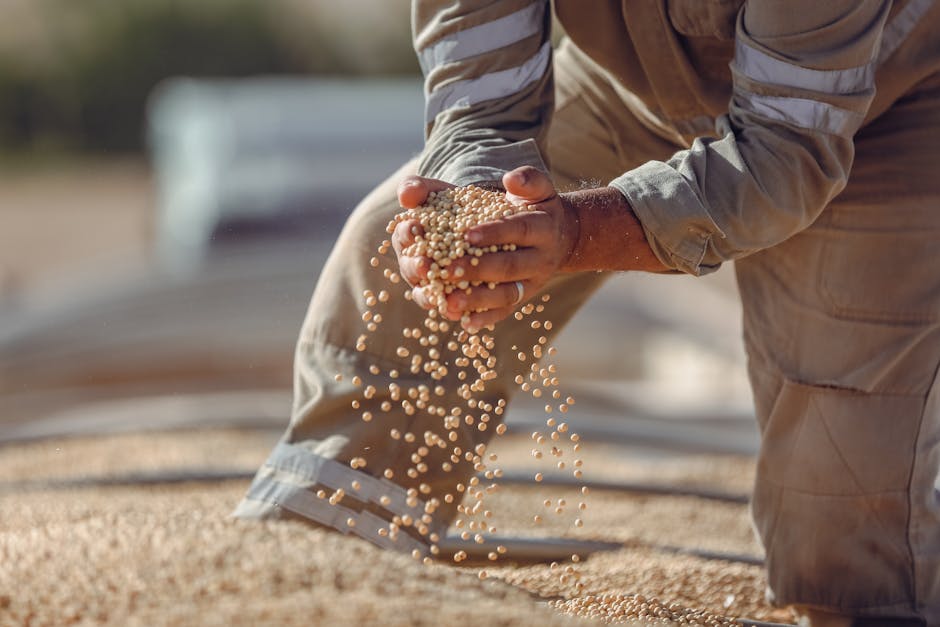
Q1 2026 Commodity ETF Performance: The Headline Numbers
Let’s start with the raw data, because context without numbers is just storytelling. As of Q1 2026 close (March 31), here’s how major commodity ETF categories performed year-to-date:
- Gold ETFs (e.g., SPDR Gold Shares – GLD): +14.2% YTD — driven by persistent Fed rate uncertainty and geopolitical hedging demand across Southeast Asia and the Middle East.
- Energy ETFs (e.g., United States Oil Fund – USO, Energy Select Sector SPDR – XLE): +6.8% YTD — OPEC+ supply discipline held, but demand softness from China kept a ceiling on crude gains.
- Agricultural ETFs (e.g., Invesco DB Agriculture Fund – DBA): +3.1% YTD — La Niña weather patterns created localized volatility but net gains were modest overall.
- Broad Commodity ETFs (e.g., iShares S&P GSCI Commodity-Indexed Trust – GSG): +7.9% YTD — a solid blended return reflecting gold’s strength pulling the index upward.
- Industrial Metals ETFs (e.g., Invesco DB Base Metals Fund – DBB): +9.4% YTD — copper and aluminum surged on global infrastructure spending, especially from the EU’s Green Industrial Act stimulus rounds.
The standout story is clearly industrial metals and gold — two categories that historically don’t move together, but in 2026 they’re both finding tailwinds from different macro forces. That’s an unusual correlation breakdown worth paying attention to.
Why Gold ETFs Are Outperforming (And Whether It’s Sustainable)
Gold’s 14%+ gain through Q1 2026 sounds great on paper, but let’s think about what’s actually driving it. The Federal Reserve has maintained a cautious posture — not quite cutting, not quite hiking — leaving real yields in a kind of limbo that historically benefits gold. Meanwhile, central bank buying (particularly from Turkey, India, and several Gulf states) has continued at near-record pace for the third consecutive year.
For investors holding GLD or the physically-backed iShares Gold Trust (IAU), this has been a smooth ride. But here’s the risk-management question Marcus should actually be asking: How much of this move is structural versus momentum-driven speculation? Commitment of Traders (COT) data from the CFTC through March 2026 shows speculative long positioning in gold futures running at the 87th percentile of its 5-year range. That’s not a sell signal by itself, but it does mean the easy money has largely been made, and any catalyst that reduces safe-haven demand (a surprise Fed cut, a geopolitical resolution) could trigger sharp retracements.
Realistic alternative: Rather than going all-in on GLD at current levels, consider pairing a smaller gold ETF position with a silver ETF (like SLV or SIVR) — silver still has room to close its traditional gold-silver ratio gap, currently sitting at around 88:1 versus a historical average of 65:1.
Energy ETFs in 2026: A Market of Contradictions
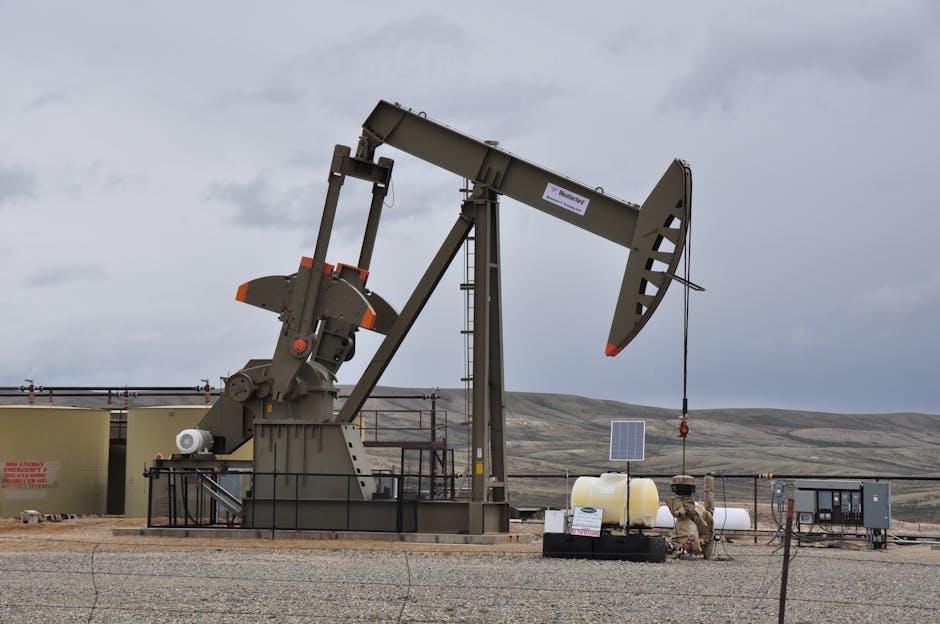
Oil markets in 2026 are genuinely fascinating from an analytical standpoint. WTI crude has mostly traded in a $72–$88/barrel range year-to-date, which sounds stable — but underneath that stability is a tug-of-war between two powerful forces:
- Supply discipline: OPEC+ has maintained voluntary cuts, and geopolitical tensions in key producing regions haven’t fully resolved.
- Demand uncertainty: China’s economic recovery has been slower and lumpier than 2025 consensus forecasts predicted. EV adoption curves are also starting to meaningfully dent gasoline demand in Europe and North America.
USO (United States Oil Fund) returned about 5.3% in Q1 2026, but energy sector equity ETFs like XLE did slightly better at 6.8% because integrated majors (ExxonMobil, Chevron, Shell) benefit from refining margins and shareholder returns programs independent of pure crude price moves. If you want energy commodity exposure, choosing between a futures-based ETF like USO versus an equity-based ETF like XLE is actually a meaningful strategic decision — not just a cosmetic one. USO carries contango risk (rolling futures contracts can erode returns when the futures curve slopes upward), while XLE carries equity market correlation risk.
Industrial Metals: The Quiet Winner of 2026
If you haven’t been watching the industrial metals space, the Q1 2026 numbers might surprise you. Copper hit multi-year highs in February 2026, touching $5.18/lb on the LME before pulling back slightly. The driver? A confluence of factors that aren’t going away anytime soon:
- AI data center buildout globally is extraordinarily copper-intensive — estimates suggest data centers alone could consume an additional 1.5 million metric tons of copper annually by 2028.
- The EU’s Green Industrial Act Phase 2 (enacted January 2026) committed €340 billion to grid modernization and EV charging infrastructure across member states.
- Mining supply hasn’t kept pace — Chilean and Peruvian mine output has faced structural headwinds from water scarcity and labor disruptions.
DBB returned 9.4% in Q1 2026, making it the best-performing major commodity ETF category for the quarter. For more targeted exposure, Global X Copper Miners ETF (COPX) and the Sprott Physical Copper Trust (COPP) have also attracted significant institutional inflows. COPX in particular is worth examining — it provides leveraged exposure to copper price moves through mining equity, which amplifies both upside and downside.
Agricultural ETFs: The Sleeper Watch
Agri ETFs like DBA have been modest performers in 2026 (+3.1% YTD), but there are reasons to keep them on your radar for H2 2026. La Niña conditions that characterized early 2026 are transitioning — weather models suggest a shift toward El Niño-like patterns by mid-year, which historically creates significant disruption in wheat, soy, and corn production across South America and Australia.
If you’re looking at WEAT (Teucrium Wheat Fund) or CORN (Teucrium Corn Fund) for single-commodity exposure, be aware that these are highly specialized instruments with their own futures-roll dynamics. They’re better used as tactical hedges or short-term directional trades rather than core portfolio positions.
Risk Management Framework: How to Think About Commodity ETFs in 2026
After all this data, here’s the framework I’d actually apply when evaluating commodity ETF positions in the current environment:
- Check the futures curve structure first: Contango (futures priced above spot) silently erodes returns in oil, natural gas, and some agricultural ETFs. Backwardation (futures below spot) is your friend.
- Understand physical vs. futures vs. equity exposure: Gold ETFs like IAU hold physical metal. USO holds futures contracts. XLE holds company stocks. These behave very differently in stress scenarios.
- Position sizing matters more than entry price: Even a great thesis can blow up if you’re overweight. For most retail portfolios, 5–15% total commodity ETF allocation is a sensible range.
- Watch the DXY (US Dollar Index): Commodity prices are dollar-denominated. A strengthening dollar typically headwinds commodity ETF returns for non-US investors, while a weakening dollar provides tailwind.
- Don’t ignore expense ratios: GLD charges 0.40%, IAU charges 0.25%, and some niche commodity ETFs charge 0.85%+. Over a multi-year hold, this matters.
Where to Do Your Own Research
For anyone who wants to dig deeper beyond this analysis, here are genuinely useful resources I’ve been using regularly in 2026:
- ETF.com — comprehensive fund screener with expense ratios, AUM, and performance data
- CME Group’s FedWatch Tool — for understanding rate expectations that move gold
- World Gold Council (gold.org) — monthly central bank gold demand reports
- U.S. Energy Information Administration (eia.gov) — weekly crude inventory data and demand forecasts
- LME (London Metal Exchange) — copper, aluminum, nickel warehouse data and futures positioning
These aren’t glamorous sources, but they’re where the actual signal lives — not in financial Twitter or YouTube thumbnails screaming about commodity supercycles.
Conclusion: What to Actually Do With This Information
The 2026 commodity ETF landscape rewards specificity over vague bullishness. Gold has had a great run but is showing signs of extended positioning. Industrial metals — especially copper — have real structural tailwinds that aren’t fully priced in yet. Energy is a range-bound, tactical story. Agricultural commodities are a potential H2 2026 watch if weather patterns shift as models suggest.
Rather than chasing any single category at its highs, consider a tiered approach: maintain a core position in a broad diversified commodity ETF (like GSG or PDBC, which has lower contango issues), add tactical tilts toward industrial metals through DBB or COPX, and keep some dry powder to add gold on any meaningful pullback toward the 10–12% YTD range rather than chasing at 14%+.
Marcus, by the way, decided to trim 30% of his oil ETF position and rotate into DBB for copper exposure. Not a dramatic move, but a thoughtful one. That’s exactly the kind of risk-managed decision that commodity investing in 2026 actually calls for.
Editor’s Comment : Commodity ETFs in 2026 aren’t broken — they’re just more nuanced than a simple “buy commodities” thesis. The single biggest mistake I see investors make is treating all commodity ETFs as equivalent when the underlying structures (physical, futures, equity) create fundamentally different risk profiles. Take the time to understand what you’re actually buying before you buy it, and you’ll be miles ahead of the crowd chasing last quarter’s winners.
📚 관련된 다른 글도 읽어 보세요
- 정규식 테스터: 복잡한 정규 표현식도 실시간으로 완벽하게 검증하세요!
- 에너지 비용 상승이 반도체 기업 수익성을 흔드는 2026년, 우리는 어떻게 봐야 할까
- 2026 Senior Health Insurance: What’s Actually Changed and What It Means for You
태그: commodity ETF 2026, 원자재 ETF 수익률, gold ETF returns 2026, copper ETF analysis, energy ETF performance, commodity investing strategy, industrial metals ETF 2026