My neighbor Mrs. Harrington is 74 years old and sharp as a tack. Last winter, she slipped on a perfectly dry kitchen floor — no ice, no water — and fractured her wrist. The culprit? Not the floor. It was years of sitting, watching TV, and gradually losing the muscle coordination that keeps us upright when our body shifts unexpectedly. Her story isn’t unique. In fact, it’s one of the most common health crises happening in homes right now, quietly and without warning.
Falls are the leading cause of injury-related deaths among adults aged 65 and older worldwide. But here’s the thing — they’re largely preventable. The right movement practice can literally rewrite the story. So let’s think through this together: what exercises actually work, why they work, and how to build a routine that fits real life in 2026.
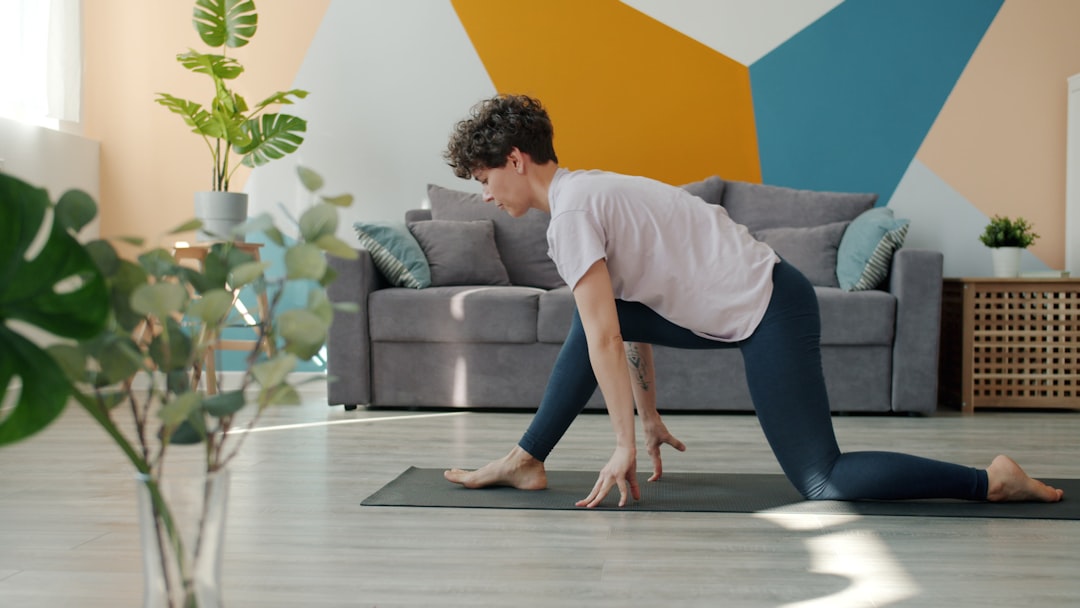
Why Seniors Fall: The Biology Behind the Risk
Before we jump into exercises, it helps to understand the mechanism. Falls in older adults are rarely caused by a single factor. Research published in the Journal of Gerontology consistently identifies three core contributors:
- Sarcopenia — the age-related loss of muscle mass and strength, which accelerates after age 60. By 75, many adults have lost up to 30–40% of their peak muscle mass.
- Proprioception decline — this is your body’s internal GPS. Proprioceptors in your feet, ankles, and joints tell your brain where you are in space. As we age, this feedback slows down significantly.
- Vestibular system changes — the inner ear, which governs balance, becomes less reliable with age, especially in low-light conditions like a dimly lit hallway at night.
Once you understand these three systems, it becomes obvious why general cardio like walking on a treadmill — though wonderful for heart health — doesn’t fully address fall risk. You need targeted training.
The 2026 Evidence-Based Exercise Recommendations
The World Health Organization and the American Geriatrics Society both updated their physical activity guidelines recently, and the consensus is clear: balance training combined with strength training reduces fall risk by up to 42% in community-dwelling older adults. That’s not a small number. That’s nearly cutting your risk in half.
Here are the exercise categories that carry the strongest evidence:
- Single-leg stance exercises — Standing on one foot for 10–30 seconds trains the proprioceptive system and strengthens the stabilizer muscles around the ankle and knee. Start near a counter or wall for safety.
- Sit-to-stand (Chair squats) — Rising from a chair without using your hands is one of the most functional strength movements possible. It directly replicates getting up from a toilet, a sofa, or a car seat. Aim for 3 sets of 10 repetitions.
- Heel-to-toe walking (Tandem walking) — Walk in a straight line placing one foot directly in front of the other, heel touching toe. This challenges both balance and gaze stability simultaneously.
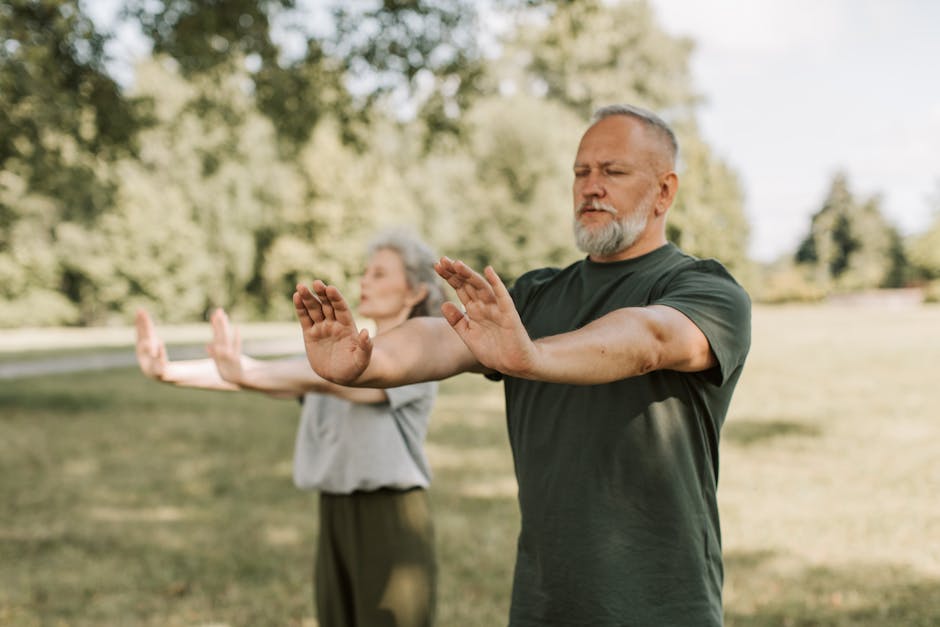
- Tai Chi — Extensively studied across Asia and increasingly adopted in Western geriatric care, Tai Chi reduces falls by improving dynamic balance, reaction time, and lower-body strength. A 12-week program shows measurable improvements in most participants.
- Calf raises — Simple yet powerful. Rising onto your toes and lowering back down strengthens the gastrocnemius and soleus muscles, which are critical for push-off and ankle stability.
- Side-lying hip abduction — Lying on your side and lifting the top leg strengthens the gluteus medius, a muscle that is surprisingly important for lateral stability — the kind that saves you when you step sideways unexpectedly.
- Resistance band exercises — Light-to-moderate resistance bands allow seniors to safely build lower limb strength without the joint stress of heavy weights. Target quads, hamstrings, and hip flexors.
Real-World Programs That Are Getting Results
Let’s look at some programs that have moved beyond the research lab and into real communities:
South Korea’s “Active Aging” Community Centers (2024–2026): South Korea, facing one of the world’s fastest-aging populations, launched a nationwide initiative embedding balance-focused exercise classes in senior community centers. Instructors trained in geriatric physical therapy lead daily 30-minute sessions combining Tai Chi, resistance band work, and floor-based stretching. Early outcome data shows a 38% reduction in hospital admissions due to fall-related injuries in participating regions — a remarkable result.
The Otago Exercise Program (New Zealand, now globally adopted): Originally developed at the University of Otago, this home-based strength and balance program delivered by physical therapists has been validated in over 20 countries. It’s individually tailored, progressive, and has shown a 35% reduction in falls in adults over 80. It’s now being digitally administered through telehealth platforms in 2026, making it accessible to rural seniors who previously had no access.
Japan’s “Kinetic Longevity” Gym Model: Several Japanese municipalities now fund senior-specific gyms where machines are ergonomically adapted for older bodies and every session begins with a 10-minute proprioception circuit. The program integrates social interaction intentionally — because isolation is itself a fall risk factor (reduced activity, depression, poor sleep all contribute).
Realistic Alternatives: Not Everyone Has Access to a Gym
Here’s where I want to be practical with you, because not every senior has access to a community center, a therapist, or even a safe walking path. So let’s think through tiered alternatives:
- If you have zero equipment: Chair squats, heel raises while holding the kitchen counter, and tandem walking down a hallway cost nothing and can be done in 15 minutes per day. Start with 5 days a week.
- If you have a resistance band ($8–$15): Add seated leg extensions, standing hip abductions, and ankle dorsiflexion exercises. Bands are safe, portable, and effective.
- If you have a caregiver or family member: Incorporate assisted balance drills — a family member standing nearby while the senior practices single-leg balance provides both safety and motivation. Social engagement makes adherence dramatically better.
- If mobility is significantly limited: Seated balance exercises — shifting weight side-to-side, reaching in different directions while seated on an unstable surface like a soft cushion — still train the vestibular and proprioceptive systems.
- For tech-savvy seniors: Balance board apps and AI-guided physiotherapy platforms have expanded significantly in 2026. Several offer real-time feedback via smartphone camera, which is surprisingly effective for form correction at home.
A Simple Weekly Template to Start With
If you’re helping a parent, grandparent, or planning for yourself, here’s a gentle starting framework:
- Monday / Wednesday / Friday: 15–20 minutes of strength-focused exercises (chair squats, calf raises, resistance band work)
- Tuesday / Thursday: 15–20 minutes of balance-focused practice (single-leg stance, tandem walking, Tai Chi video)
- Saturday: Light walk (even 10–15 minutes outdoors improves vitamin D absorption and mood — both linked to reduced fall risk)
- Sunday: Rest or gentle seated stretching
The key is consistency over intensity. A 15-minute daily routine maintained for 12 weeks outperforms a rigorous 1-hour session done twice a month, every single time.
One More Thing: The Environment Matters Too
Exercise is the foundation, but it works best alongside environmental awareness. Loose rugs, poor lighting, and slippery bathroom floors remain major hazards. The most physically fit 75-year-old can still trip on a bunched-up bath mat at 2am. Grab bars in the bathroom, good nightlights, and non-slip footwear are the unsexy but essential complement to any exercise program.
Think of it this way: exercise builds the internal resilience (strong muscles, sharp reflexes, good balance). Environmental modification reduces the external threats. You need both working together.
Mrs. Harrington, by the way? She joined a local Tai Chi class in February and started doing daily chair squats. She told me last month that she feels steadier going down stairs than she has in years. Small changes, real results — that’s exactly how this works.
Editor’s Comment : Fall prevention doesn’t require a dramatic lifestyle overhaul — it requires smart, consistent, targeted movement. The exercises in this piece are all backed by current evidence and, more importantly, they’re achievable for most seniors regardless of fitness level. If you’re helping an older loved one, the best thing you can do is start small, stay consistent, and make it social. The body responds to challenge at any age — it just needs the invitation.
📚 관련된 다른 글도 읽어 보세요
- Oil Price Shock 2026: What It Really Means for Samsung Electronics & SK Hynix Stock
- How to Cut Taxes on Overseas Commodity ETFs: Smart Tax-Saving Strategies for 2026
- Global Commodity ETF Returns in 2026: What the Numbers Are Actually Telling Us
태그: [‘fall prevention exercises for seniors’, ‘elderly balance training 2026’, ‘senior fitness tips’, ‘Tai Chi for older adults’, ‘fall risk reduction’, ‘strength exercises for elderly’, ‘aging in place safety’]