Picture this: It’s early 2026, and your coworker casually mentions they’ve been riding the Bitcoin wave — not by setting up a crypto wallet or navigating sketchy exchanges, but through their regular brokerage account. Sound too good to be true? It’s not. That’s exactly what BlackRock’s iShares Bitcoin Trust ETF (ticker: IBIT) has made possible. Let’s think through this together and figure out if — and how — it could fit into your investment strategy.

What Exactly Is BlackRock’s Bitcoin ETF (IBIT)?
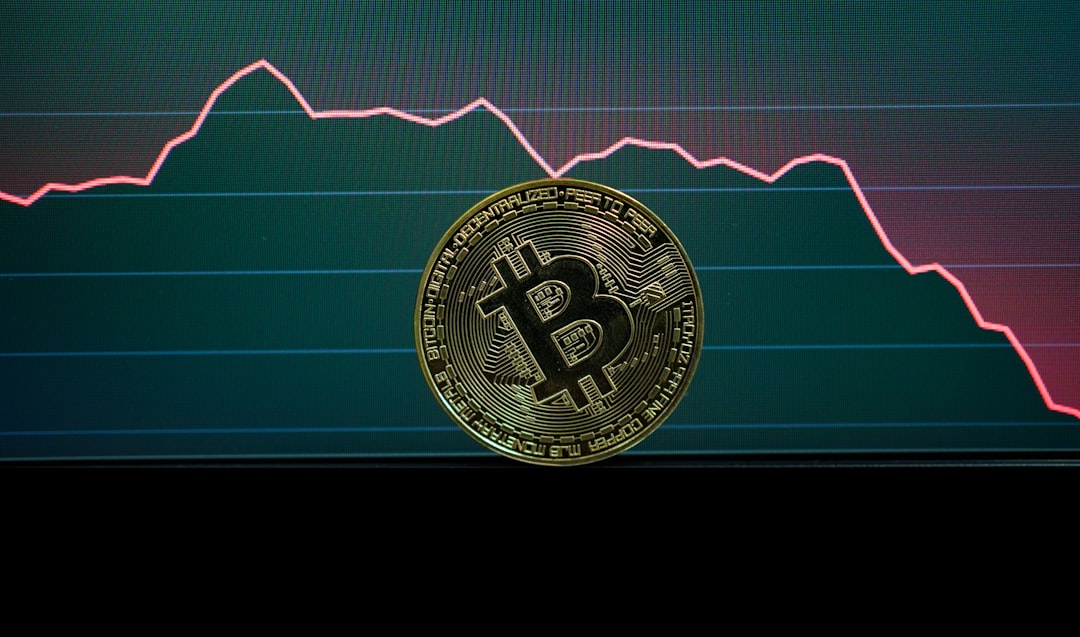
BlackRock’s iShares Bitcoin Trust (IBIT) is a spot Bitcoin ETF — meaning it holds actual Bitcoin as its underlying asset, not futures contracts. This is a critical distinction. When you buy a share of IBIT, you’re getting exposure to real Bitcoin price movements without ever needing to manage a private key, cold wallet, or crypto exchange account.
As of early 2026, IBIT has grown to become one of the largest Bitcoin-holding entities globally, surpassing $50 billion in assets under management. The expense ratio sits at approximately 0.25% annually — remarkably low for a product of this complexity. For context, that means for every $10,000 invested, you’re paying about $25 per year in management fees.
Why This Matters More in 2026 Than Ever Before
After the initial ETF approval wave in 2024, many investors were cautiously optimistic. Fast-forward to 2026, and institutional adoption has meaningfully accelerated. Pension funds, endowments, and sovereign wealth funds have begun allocating small percentages (typically 1–3%) of their portfolios to Bitcoin via ETFs like IBIT. This institutional legitimacy has reduced some of the “wild west” stigma around Bitcoin investing — though volatility hasn’t disappeared, so let’s be realistic about that.
Step-by-Step: How to Actually Buy IBIT
Here’s where it gets satisfyingly simple. Buying IBIT is nearly identical to buying shares of Apple or Tesla:
- Step 1 — Open a Brokerage Account: You’ll need a U.S.-compatible brokerage. Popular options include Fidelity, Charles Schwab, TD Ameritrade (now part of Schwab), and interactive brokers. International investors can often access IBIT through platforms like Webull or Interactive Brokers’ global service.
- Step 2 — Fund Your Account: Transfer funds via ACH bank transfer or wire. Most brokerages now settle funds within 1–2 business days.
- Step 3 — Search for the Ticker “IBIT”: In your brokerage’s search bar, type IBIT. You’ll see it listed as “iShares Bitcoin Trust ETF” under NASDAQ.
- Step 4 — Choose Your Order Type: For beginners, a market order buys at the current price. A limit order lets you set a maximum price you’re willing to pay — often smarter during volatile sessions.
- Step 5 — Determine Position Size: Financial advisors in 2026 generally suggest keeping crypto ETF exposure between 1% and 5% of your total portfolio, depending on your risk tolerance. Don’t go all-in — seriously.
- Step 6 — Monitor and Rebalance: Unlike a savings account, IBIT requires periodic attention. Set a quarterly calendar reminder to review your allocation.
Real-World Examples: Who’s Doing This Successfully?
Let’s look at how different types of investors are approaching IBIT in 2026:
The Cautious Diversifier (U.S.): A 40-year-old teacher in Ohio with a $200,000 IRA decided in early 2025 to allocate 2% (~$4,000) to IBIT within her Fidelity account. By early 2026, that position had grown meaningfully during Bitcoin’s cyclical upswing. She didn’t panic during the dips because her overall portfolio was well-diversified. Classic dollar-cost averaging at work.
The Tech-Savvy Korean Investor: In South Korea, platforms like Kiwoom Securities and Mirae Asset now offer access to U.S. ETFs including IBIT through their global trading desks. Korean retail investors have become one of the larger non-U.S. demographics investing in IBIT, particularly among the 25–40 age bracket. Currency hedging is something Korean investors should specifically factor in, given USD/KRW fluctuations.
The European Pension Fund Observer: While direct access to IBIT varies by European jurisdiction (some still restrict U.S.-domiciled ETFs for retail investors), institutional European investors have found workarounds through their U.S.-based subsidiaries or comparable EU-listed crypto ETPs.
Tax Considerations You Absolutely Cannot Ignore
Here’s something that trips up a lot of new IBIT investors: ETF gains are still taxable events. In the U.S., if you hold IBIT for more than a year, gains are taxed at long-term capital gains rates (0%, 15%, or 20% depending on income). Short-term holdings are taxed as ordinary income. One genuinely smart move? Holding IBIT inside a Roth IRA or traditional IRA to defer or eliminate capital gains taxes. Consult a CPA familiar with crypto-adjacent assets before making large moves.
Realistic Alternatives If IBIT Isn’t Right for You
Let’s be honest — IBIT isn’t a one-size-fits-all solution. Here are some alternatives worth considering based on your situation:
- Fidelity Wise Origin Bitcoin Fund (FBTC): A direct competitor to IBIT with a similar structure and expense ratio. Worth comparing fees and liquidity before committing.
- Crypto Exchange Direct Purchase: If you want actual Bitcoin ownership (not ETF shares), platforms like Coinbase or Kraken let you hold real BTC. The tradeoff? More responsibility for security and more complex tax reporting.
- Bitcoin-Exposed Stocks: Companies like MicroStrategy (now rebranded as Strategy) hold large Bitcoin reserves on their balance sheets. Buying their stock gives indirect Bitcoin exposure with added corporate risk — a different risk profile entirely.
- Broad Blockchain ETFs: Products like the Amplify Transformational Data Sharing ETF (BLOK) spread exposure across multiple blockchain-related companies, reducing single-asset risk.
- Simply Waiting: If you’re genuinely unsure, there’s no shame in dollar-cost averaging a very small amount monthly ($50–$100) while you learn more. Patience is an underrated investment strategy.
The bottom line? BlackRock’s IBIT has genuinely lowered the barrier to Bitcoin exposure in a regulated, accessible way. But it’s still a volatile asset class riding on speculative demand and macro sentiment. Going in with eyes open — knowing your risk tolerance, your time horizon, and your tax situation — is what separates informed investors from those who panic-sell at the bottom.
Editor’s Comment : What I find genuinely fascinating about IBIT in 2026 is that it represents a kind of philosophical truce between Wall Street and crypto culture. You don’t have to choose between “traditional finance” and “digital assets” anymore — you can thoughtfully blend both. That said, I’d encourage every reader to treat Bitcoin exposure as a seasoning in your portfolio, not the main course. A pinch of volatility can spice up returns; a full plate of it can ruin your financial digestion. Start small, stay curious, and review your strategy regularly.
📚 관련된 다른 글도 읽어 보세요
- 내 진짜 나이는 몇 살일까? 만 나이 계산기로 정확하게 확인하세요!
- 노인 만성질환 관리 식단 추천 2026 — 혈당·혈압·콜레스테롤을 한 번에 잡는 현실적인 식사법
- Knee Osteoarthritis After 65: Real Patient Stories, Treatment Outcomes & What Actually Works in 2026
태그: [‘BlackRock Bitcoin ETF’, ‘IBIT investment guide 2026’, ‘how to buy Bitcoin ETF’, ‘iShares Bitcoin Trust’, ‘Bitcoin ETF for beginners’, ‘crypto ETF portfolio strategy’, ‘spot Bitcoin ETF investing’]