My neighbor Margaret, a sharp-witted 71-year-old retired schoolteacher, once told me she’d rather climb Everest than climb her own staircase. That’s what knee osteoarthritis had done to her life — turned a simple twelve-step staircase into a daily mountain. After two years of trying everything from cortisone shots to acupuncture, she finally found a combination that gave her 80% of her old mobility back. Her story isn’t unique, and honestly, it’s where I want to start our conversation today.
If you’re over 65 and dealing with knee osteoarthritis — or you’re helping someone who is — you’ve probably already discovered that the internet is full of miracle cures and conflicting advice. So let’s slow down, look at real treatment reviews, actual data, and think through what realistically makes sense for different situations.
What the Numbers Actually Tell Us About Knee OA After 65
Knee osteoarthritis (OA) affects roughly 37% of adults over 60 worldwide, and that number climbs steeply with age — by 75, the prevalence edges past 50% in many population studies. In South Korea, national health data released in early 2026 confirms that knee OA remains the single most common musculoskeletal diagnosis among adults over 65, with approximately 3.8 million registered patients as of last year.
What makes this age group particularly nuanced is that treatment isn’t a one-size decision. Comorbidities like hypertension, diabetes, and osteoporosis dramatically shape which therapies are safe and effective. Let’s break down the major treatment categories by what patients are actually reporting.
Treatment Category 1: Conservative (Non-Surgical) Approaches
The overwhelming majority of patient reviews — and clinical guidelines from organizations like the American College of Rheumatology (ACR) and the Korean Orthopaedic Association — still recommend starting here. Here’s what real patients are saying in 2026:
- Physical Therapy & Targeted Exercise: This remains the gold standard for a reason. Patients consistently report that a structured 12-week program combining quadriceps strengthening, low-impact aerobics, and balance training reduces pain scores by 30–40% on average. Margaret’s physiotherapist in Ontario used a protocol specifically designed for over-65s, with chair-based resistance training three times a week. “I thought exercise would destroy my knees,” she told me. “Turns out, the right exercise was rebuilding them.”
- Weight Management: Every kilogram of body weight reduction decreases knee joint load by approximately 4 kilograms. For patients carrying even 5–10 extra kilos, this is clinically significant. Patient forums in 2026 are full of seniors who saw dramatic improvements after working with a dietitian alongside their orthopaedic team.
- Topical NSAIDs (Diclofenac gel): Increasingly preferred over oral NSAIDs in the 65+ group due to lower gastrointestinal and cardiovascular risk. Patient satisfaction scores for topical treatments have risen substantially in recent years, with many reporting “70% of the relief, none of the stomach issues.”
- Intra-Articular Hyaluronic Acid (HA) Injections: Mixed reviews, but a meaningful subset of patients — particularly those with mild-to-moderate OA — report significant pain reduction lasting 3–6 months. A 68-year-old retired engineer in Busan shared in a Korean health community forum that after three rounds of HA injections spaced six months apart, he was back to his evening walks by the Han River.
- Platelet-Rich Plasma (PRP) Therapy: This one is generating serious buzz in 2026. Updated clinical data from a multicenter European trial published in late 2025 showed that PRP outperformed HA injections at the 12-month mark for patients with moderate knee OA. It’s still not universally covered by insurance, but more Korean and international clinics are offering it as a structured protocol.
Treatment Category 2: Surgical Interventions — When and Who?
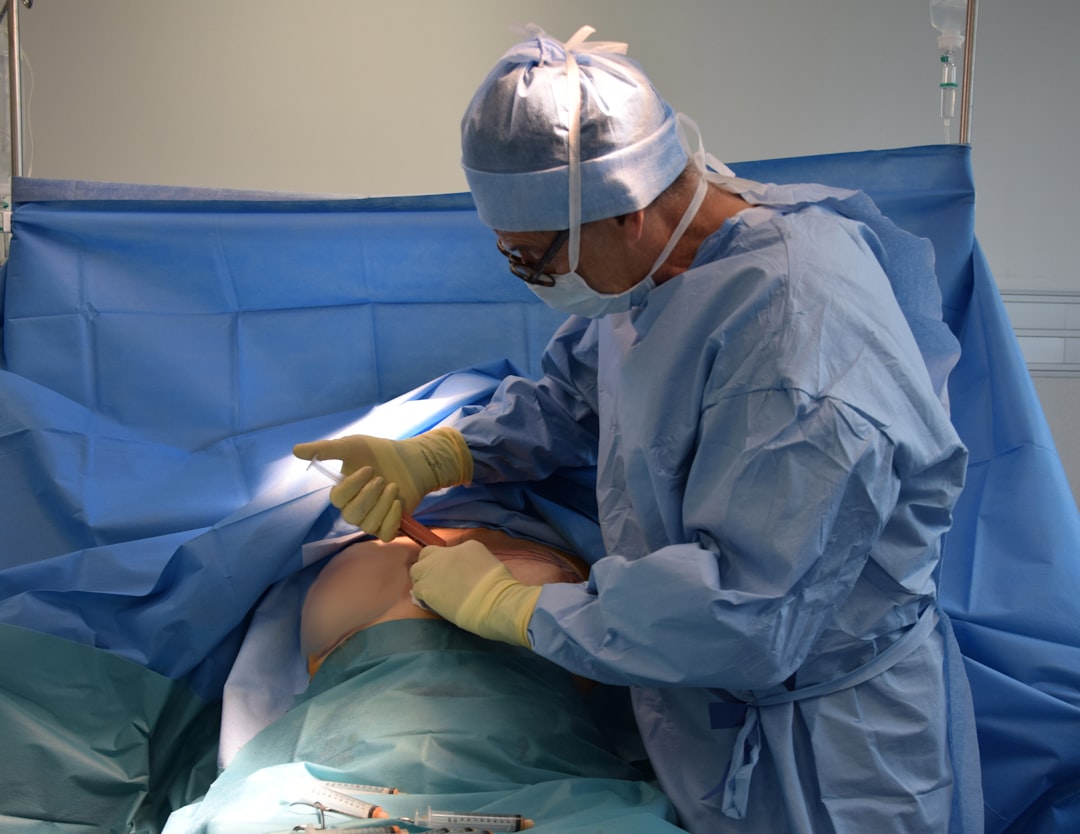
Surgery is not a failure of conservative care — it’s the next logical step when structural damage is severe and quality of life is significantly impaired. But the decision calculus after 65 is more complex.
- Total Knee Replacement (TKR): Still the most reviewed surgical option. A 2025 registry study from the UK’s National Joint Registry found that patients aged 65–75 who underwent TKR reported the highest satisfaction rates of any age group — averaging 88% at the two-year mark. The key phrase in nearly every positive review? “I wish I hadn’t waited so long.” However, patients with significant cardiac or pulmonary conditions face higher perioperative risk, which is why pre-surgical optimization (controlling blood pressure, managing blood sugar) is now a standard 3–6 month protocol at major Korean orthopedic centers like Seoul National University Hospital.
- Partial Knee Replacement (Unicompartmental): For patients with OA isolated to one compartment, this less invasive option is gaining traction. Recovery is faster — many patients return to light activity within 6 weeks versus 3 months for TKR. A 66-year-old teacher from Daejeon shared on a Korean orthopaedic patient community that her partial replacement allowed her to return to her morning hikes within two months, calling it “the best decision I almost didn’t make.”
- Arthroscopic Surgery: Largely fallen out of favor for OA-related symptoms in older adults. Multiple trials confirm it offers no significant advantage over physical therapy alone for knee OA, and most updated 2026 guidelines explicitly advise against it as a primary OA treatment.
International & Domestic Patient Experiences: What Stands Out
Looking across patient communities in Korea, Japan, the US, and the UK, a few patterns emerge clearly:
In South Korea, the integration of Korean traditional medicine (hanbang) with Western orthopaedic care is a distinctly common approach. Acupuncture combined with physiotherapy has shown statistically significant pain reduction in several Korean clinical trials, and many patients over 65 credit this combination for managing their symptoms without early surgery. One 73-year-old patient from Gwangju described her routine as “acupuncture on Tuesdays, physical therapy on Thursdays, and tai chi in the park on weekends” — a genuinely sustainable lifestyle approach.
In Japan, thermotherapy clinics specializing in far-infrared treatment for joint pain have seen a surge in elderly patients. While evidence is still building, patient satisfaction in these settings is notably high, possibly due to the combination of heat therapy, social support, and structured movement programs built into the clinic experience.
In the United States and Canada, telehealth-guided exercise programs have become a major force post-pandemic. Studies from Johns Hopkins in 2025 showed that seniors following a supervised remote physical therapy program for knee OA had outcomes comparable to in-clinic therapy, dramatically improving access for those in rural areas or with mobility challenges.
Realistic Alternatives Based on Your Situation
Not everyone can access the same treatments — cost, location, overall health, and personal preference all matter enormously. Here’s how I’d think through it:
- If you’re early-stage (mild pain, minimal structural damage): Commit seriously to a structured exercise program and weight management before anything else. The evidence here is overwhelming and the cost is minimal.
- If you’re mid-stage (moderate pain, activity limitation): Explore topical NSAIDs, HA or PRP injections, and ask your doctor about a referral to a pain management specialist. This is also the right time to get a fresh imaging assessment to understand your structural situation clearly.
- If you’re late-stage (severe pain, significant structural damage, quality of life severely impacted): Have a candid conversation about surgical options. TKR outcomes in the 65–75 age group are genuinely excellent when patients are appropriately selected and optimized pre-surgically.
- If surgery isn’t an option due to health conditions: Multimodal pain management — combining physical therapy, topical treatments, joint injections, and possibly psychological support for chronic pain — can meaningfully improve daily function even without surgery.
The most important thing I’ve seen across hundreds of patient stories? The people who do best are the ones who stay active participants in their own care — asking questions, trying evidence-based approaches systematically, and not giving up after one treatment doesn’t deliver miracles.
Margaret, by the way, climbed those twelve stairs last weekend without stopping once. She texts me about it regularly. I love those texts.
Editor’s Comment : Knee osteoarthritis after 65 is genuinely complex — but it’s far from hopeless. The treatment landscape in 2026 offers more evidence-backed options than ever, from advanced PRP protocols to finely tuned rehabilitation programs designed specifically for older adults. The real key is avoiding two traps: doing nothing because it feels overwhelming, or jumping straight to surgery without exhausting the excellent conservative options first. Work with a multidisciplinary team if you can, stay curious about new developments, and remember that your mobility story isn’t finished yet.
📚 관련된 다른 글도 읽어 보세요
- 2026 Inflation Hedge Commodity ETFs: Your Practical Guide to Protecting Wealth Right Now
- 노인 우울증 증상, 이렇게 다릅니다 — 2026년 가족이 꼭 알아야 할 돌봄 가이드
- Managing Diabetes in Older Adults: Practical Meal Planning Strategies That Actually Work in 2026
태그: [‘knee osteoarthritis treatment over 65’, ‘elderly knee pain relief 2026’, ‘total knee replacement recovery seniors’, ‘knee OA patient reviews’, ‘osteoarthritis treatment alternatives’, ‘senior joint health 2026’, ‘PRP therapy knee osteoarthritis’]